


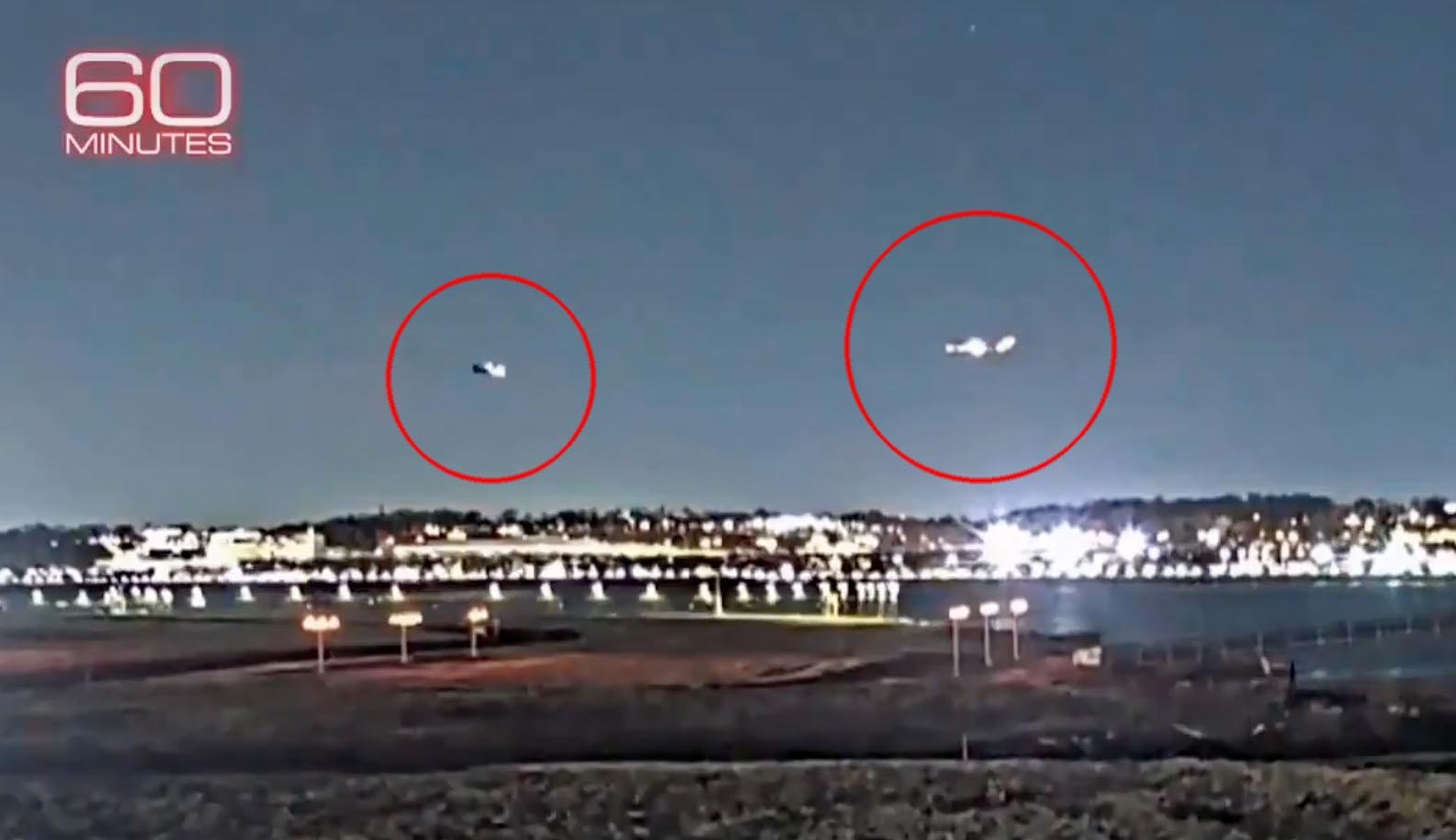
The newly public video offers a chillingly clear look at the final moments before the two aircraft converged in shared airspace.
NEW YORK — A haunting new perspective on the tragedy that stopped the nation emerged Sunday night as 60 Minutes aired previously unreleased footage of last year’s mid-air collision between an American Airlines regional jet and a U.S. Army Black Hawk helicopter.
The disaster, which claimed 67 lives, remains the deadliest aviation accident on American soil in decades.
A Systemic Failure in the Skies
While the footage provides a visceral reminder of the loss, the broadcast also delved into the “systemic failures” cited in the National Transportation Safety Board (NTSB) final report.
The investigation highlighted a lethal disconnect between civilian Air Traffic Control (ATC) and military flight operations. Key findings included:
- Communication Gaps: A failure in real-time data sharing between civilian radar and military transponder frequencies.
- Procedural Discrepancies: Conflicting “Right of Way” protocols when high-speed commercial jets enter zones frequently used for low-altitude military maneuvers.
- Technology Lag: The regional jet was equipped with older-generation collision avoidance software that struggled to track the erratic, agile movement of the Black Hawk.
The Path Forward
In response to the NTSB findings and the public outcry following Sunday’s broadcast, the Federal Aviation Administration (FAA) and the Department of Defense (DoD) issued a joint statement. They have pledged to accelerate the implementation of the NextGen Integrated Airspace Initiative, which aims to unify civilian and military tracking systems by the end of the year.
As communities across the country continue to mourn the 67 souls lost, the release of this footage serves as a stark catalyst for a conversation that many experts say is long overdue: how to safely navigate an increasingly crowded sky.
