


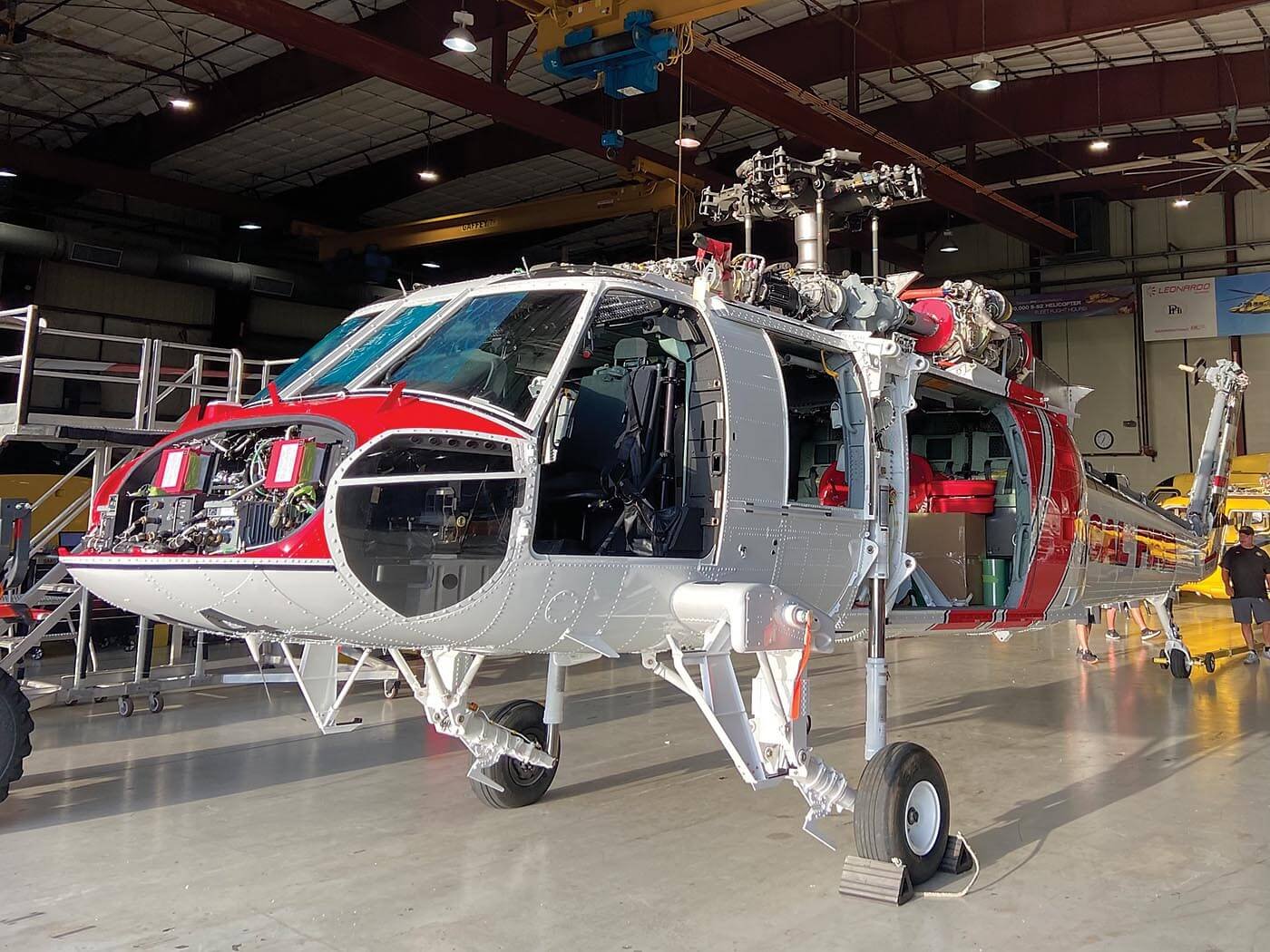
PHI has been a leading global helicopter operator since 1949. Today, PHI MRO Services builds on the company’s extensive operational expertise to deliver in-depth maintenance, repair, and overhaul (MRO) support for third-party operators, working as a problem-solving partner across platforms and maintenance needs.
PHI continues to operate an expansive fleet of more than 200 light, medium, and heavy helicopters from major OEMs, including Bell, Airbus, Leonardo and Sikorsky, resulting in significant ongoing maintenance activity. Over the decades, PHI built in-house MRO capabilities to support its fleet, centered around its more than 200,000-square-foot (18,580-square-meter) facility in Lafayette, Louisiana. This capability has delivered hundreds of engine and component overhauls, completions, upgrades and more.
A WIDE RANGE OF SERVICES
Recognizing the growing demand for third-party MRO expertise, the company launched PHI MRO Services in 2023, opening its in-house facilities, knowledge and technical capabilities to the wider market.
“We realized we had something unique — not many places have facilities like we have, a workforce like we have, or capabilities like we have,” said Chris Aaron, vice president of business development, sales and marketing at PHI MRO Services.
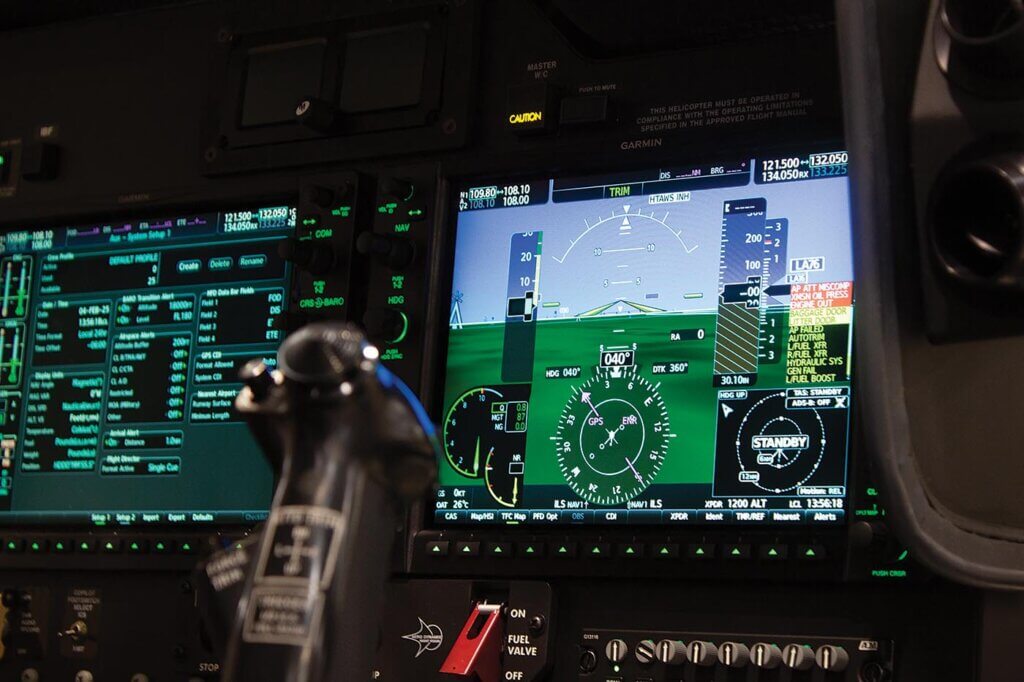
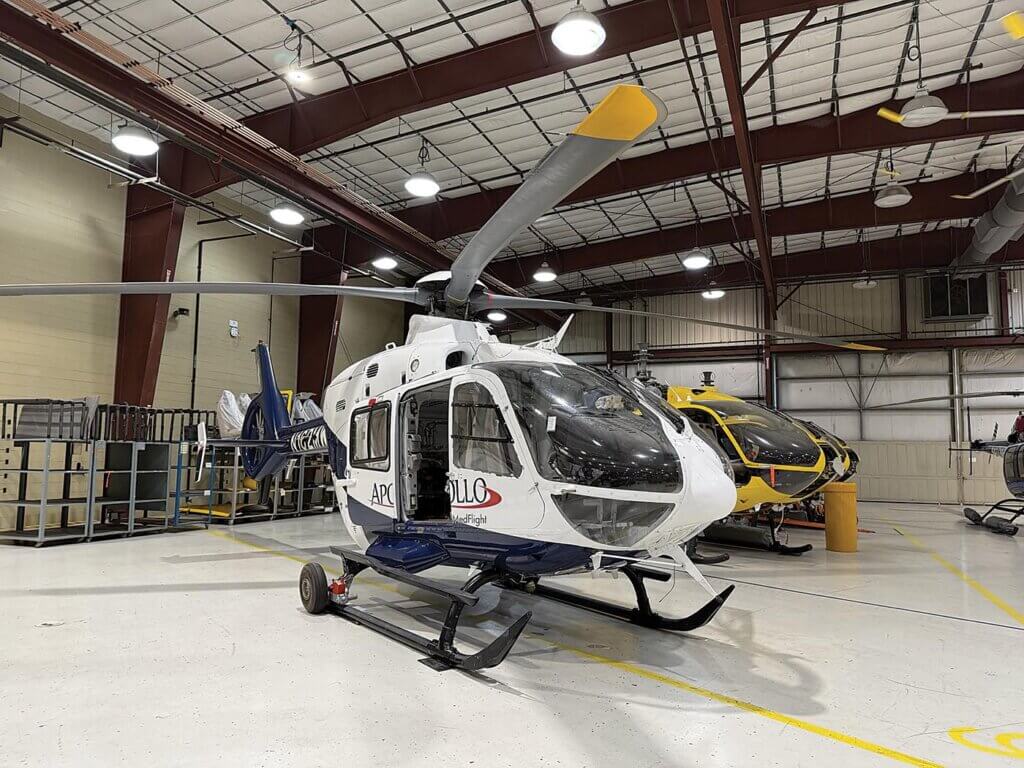
PHI MRO Services is an FAA part 145 repair station with AS9110 certification. It offers customers everything from basic maintenance and repairs to complex integrations, with sophisticated equipment and advanced tooling aimed at meeting any demand. The Lafayette facility also features specialized in-house shops for everything from structural repairs and paint to new helicopter completions, upholstery, overhauls, engineering services and aircraft rebuilds.
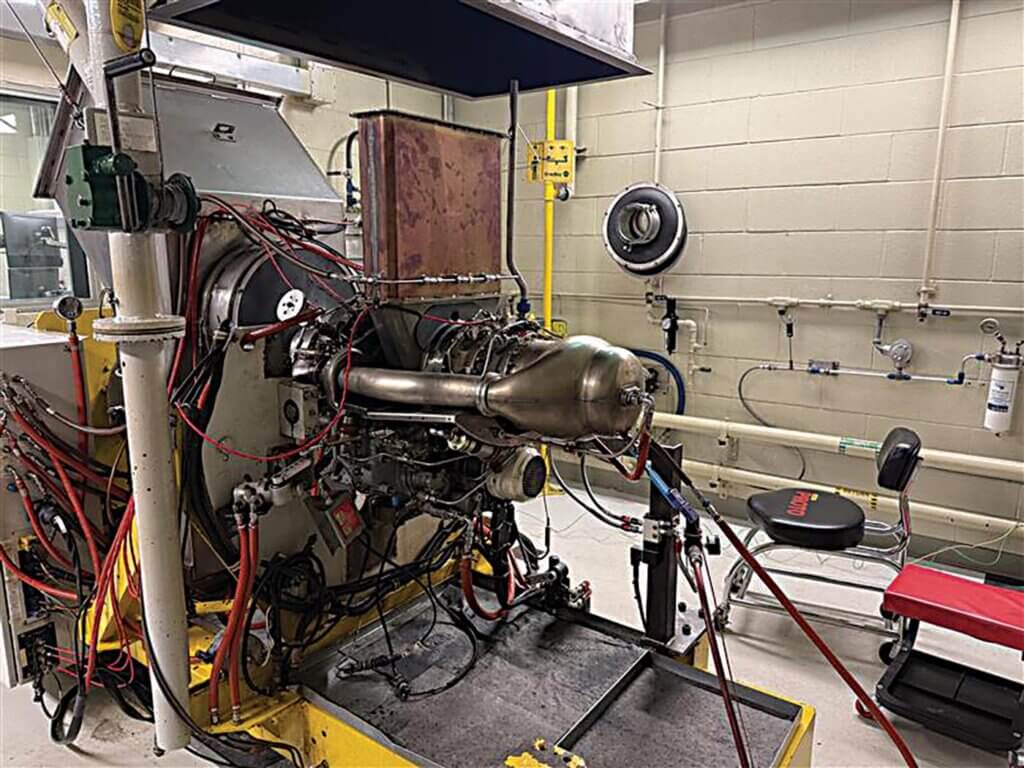
A key asset is the dedicated engine shop that spans almost 7,000 sq. ft. (650 sq. m) with two test cells. PHI MRO Services is a Rolls-Royce Authorized Maintenance Center and also supports engines from General Electric, Pratt & Whitney and Safran for full-spectrum powerplant services.
AVIONICS UPGRADES
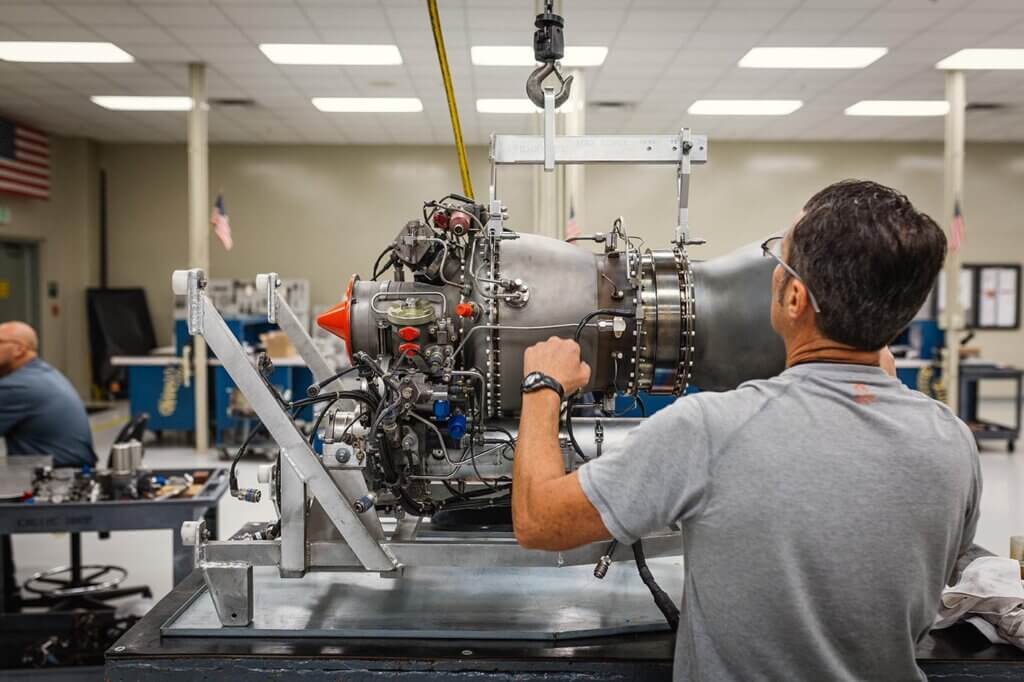
Avionics upgrades and modernization are a crucial focus.
“It’s truly a one-stop shop,” Kosmulski said. “Customers can get their upholstery fixed. They can get their paint touched up. They can have the engine overhauled. And they can have a full refurbishment, upgrading older aircraft to new avionics standards — all under one roof.”
Kosmulski added that demand continues to grow for new Garmin installations, glass cockpits and similar advanced avionics technologies, and PHI’s teams are equipped to support operators in implementing the new and upgraded capabilities they need.
ADVANCED CAPABILITIES
PHI MRO Services customers benefit from the same advanced technologies used to support PHI’s operational fleet.
Aaron noted that the company deploys a digital maintenance system built on Ramco software for computer-based work orders and traceability. PHI MRO Services also operates Snap-on toolboxes with a Level 5 Tool Control System, originally installed to meet stringent requirements from oil-and-gas customers on the operational side.
“That’s a true synergy that benefits our MRO customers,” he said. “All of the technologies that we’ve put into our own operations flow directly into our MRO, whether it’s tool control, Ramco, or digital work cards.”
PROBLEM SOLVERS
As an operator for so many years, PHI “has seen almost everything,” Aaron said.
As both an operator and an MRO provider, PHI MRO Services has a unique understanding of what operators truly need: reliability, responsiveness and technical accuracy. Because PHI continues to maintain its own operational fleet, the MRO team remains closely connected to frontline demands, enabling them to anticipate challenges, understand expectations and apply real-world solutions for its MRO customers. The same teams supporting operational aircraft are now supporting external customers with that same level of expertise and urgency.
“We’ve spent decades building these relationships and capabilities, and we’re excited to take this and share it with new customers and partners throughout the industry,” Aaron said.

The launch of third-party MRO services is designed to meet the growing demands of an evolving industry. OEMs are pushing out new helicopters at a higher rate, Aaron said. Meanwhile, aging fleets are reaching a stage in their lifecycle that demands major inspections and sometimes complete refurbishments.
“All of this puts pressure on the industry to have highly capable MRO providers willing to work together to meet this demand,” Aaron noted.
PHI aims to collaborate with other completion centers and fellow MROs to build industry capacity for the long term. PHI MRO’s regional sales directors, Wendell Dunaway and Chris Matt, are actively connecting with operators to understand their MRO needs and provide support.
“Our mission is to be a true partner. We want to be problem solvers in the market,” Kosmulski concluded.
