


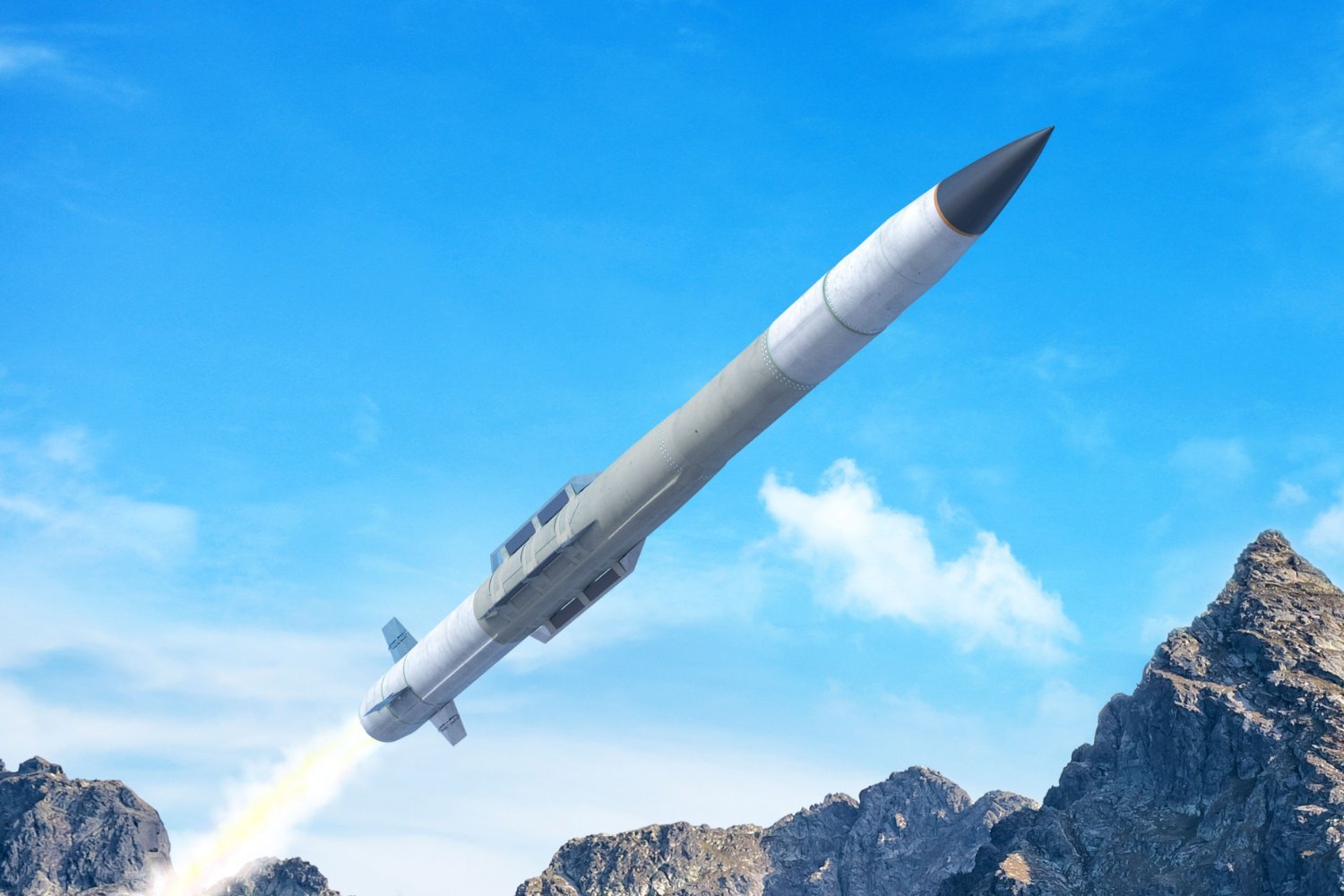
The U.S. government has launched a new industrial push to expand production of the Patriot PAC-3 Missile Segment Enhancement (MSE), signing a long-term agreement with Boeing and Lockheed Martin aimed at significantly increasing output of key components used in the air defense system.
The seven-year framework centers on tripling production of missile “seekers,” a critical guidance component built by Boeing that allows interceptors to detect, track and engage incoming threats. The effort runs in parallel with a separate plan led by Lockheed Martin, the prime contractor for the PAC-3 MSE, to more than triple overall missile production.
The PAC-3 MSE is the latest version of the Patriot interceptor, designed to defeat a wide range of threats including ballistic and cruise missiles, aircraft and, increasingly, hypersonic targets. Unlike earlier variants, it uses a hit-to-kill approach, relying on precise guidance rather than explosive warheads to destroy targets.
Follow us: WhatsApp | BlueSky | Google News | Instagram | LinkedIn | Facebook
At the center of the expansion is the seeker, which functions as the missile’s “eyes.” It provides real-time targeting data during flight, enabling the interceptor to adjust its trajectory and achieve a direct collision with the incoming threat. Because of its complexity, seeker production has been a limiting factor in scaling output.
U.S. officials said the agreement is intended to address those bottlenecks by securing long-term demand for suppliers, allowing them to invest in facilities, tooling and workforce. The strategy shifts attention beyond prime contractors to include key sub-tier manufacturers across the defense industrial base.
Boeing has already invested more than $200 million since 2024 to expand its seeker production capacity in Huntsville, Alabama, including a new 35,000-square-foot facility. The company said the agreement will support further expansion and hiring as production ramps up.
Under the framework, Boeing, Lockheed Martin and the Department of Defense will begin increasing output immediately, with negotiations underway for a formal multi-year production contract expected later this year.
The expansion comes as the United States and its allies face a growing threat from advanced drones, stealth aircraft and missile systems developed by countries such as Russia and China, increasing pressure to scale up air and missile defense capabilities.
