


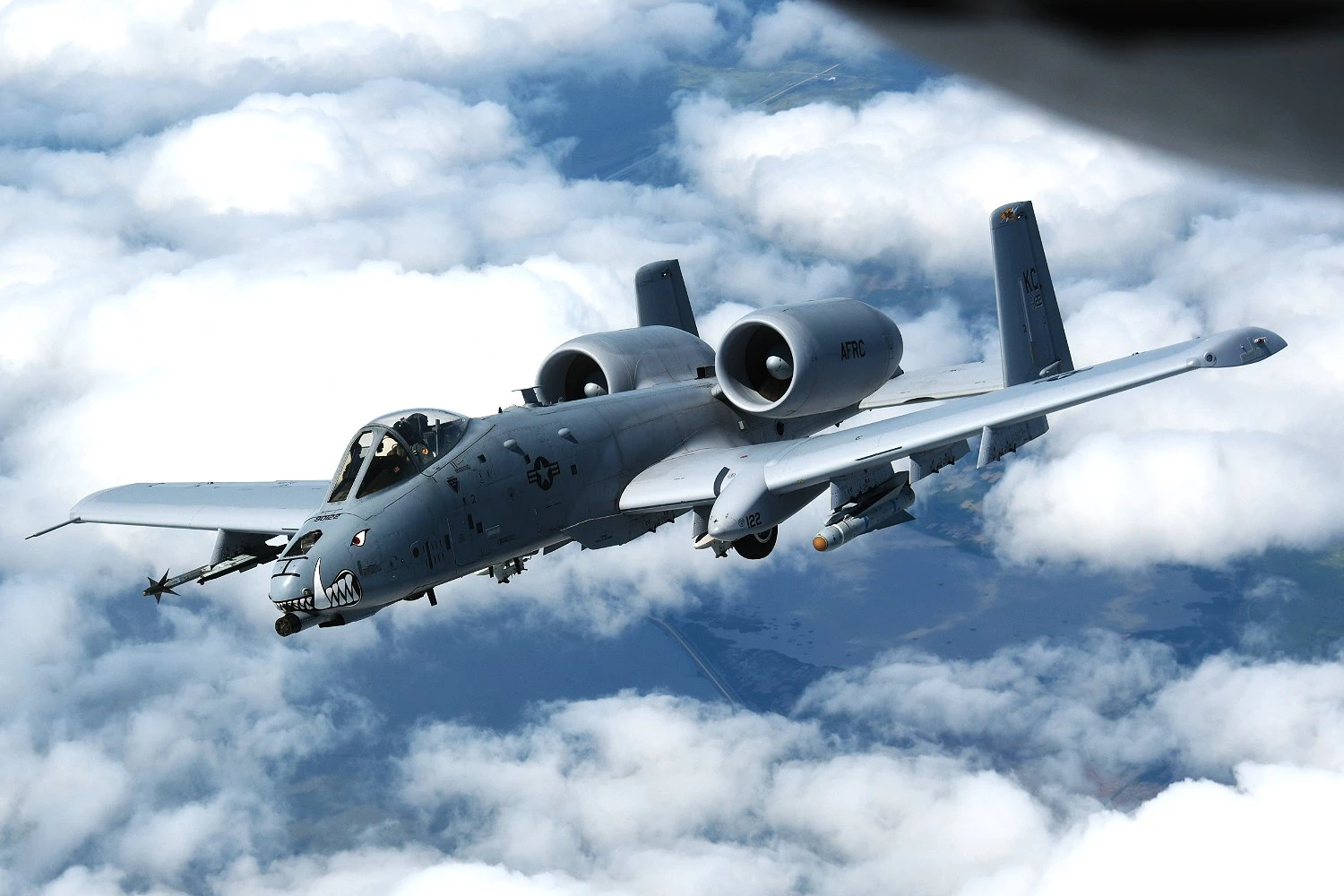
The U.S. Air Force will keep the A-10 Thunderbolt II in service until 2030, extending the aircraft’s timeline beyond a planned retirement in fiscal 2029, Air Force Secretary Troy Meink said, crediting Defense Secretary Pete Hegseth and President Donald Trump for backing the move.
“We will EXTEND the A-10 ‘Warthog’ platform to 2030,” Meink wrote, adding that the decision “preserves combat power as the Defense Industrial Base works to increase combat aircraft production.” Hegseth echoed the announcement, writing: “Long live the Warthog.”
The extension follows recent combat deployments of the aircraft in Operation Epic Fury, the U.S.-Israeli campaign against Iran that intensified in late March. A-10s have been used against militia targets in Iraq and Syria and, according to U.S. Central Command, in strikes against Iranian vessels in the Strait of Hormuz. One aircraft was lost during a combat search and rescue mission in early April, although the pilot survived.
Confirmation of the service life extension also comes after the Air Force tested a conversion kit allowing the A-10 to receive fuel via the hose-and-drogue method, rather than its traditional boom receptacle. The workaround addresses a growing gap created by the retirement of KC-10 tankers and the gradual reduction of KC-135 availability, which had limited refueling options for the aircraft.

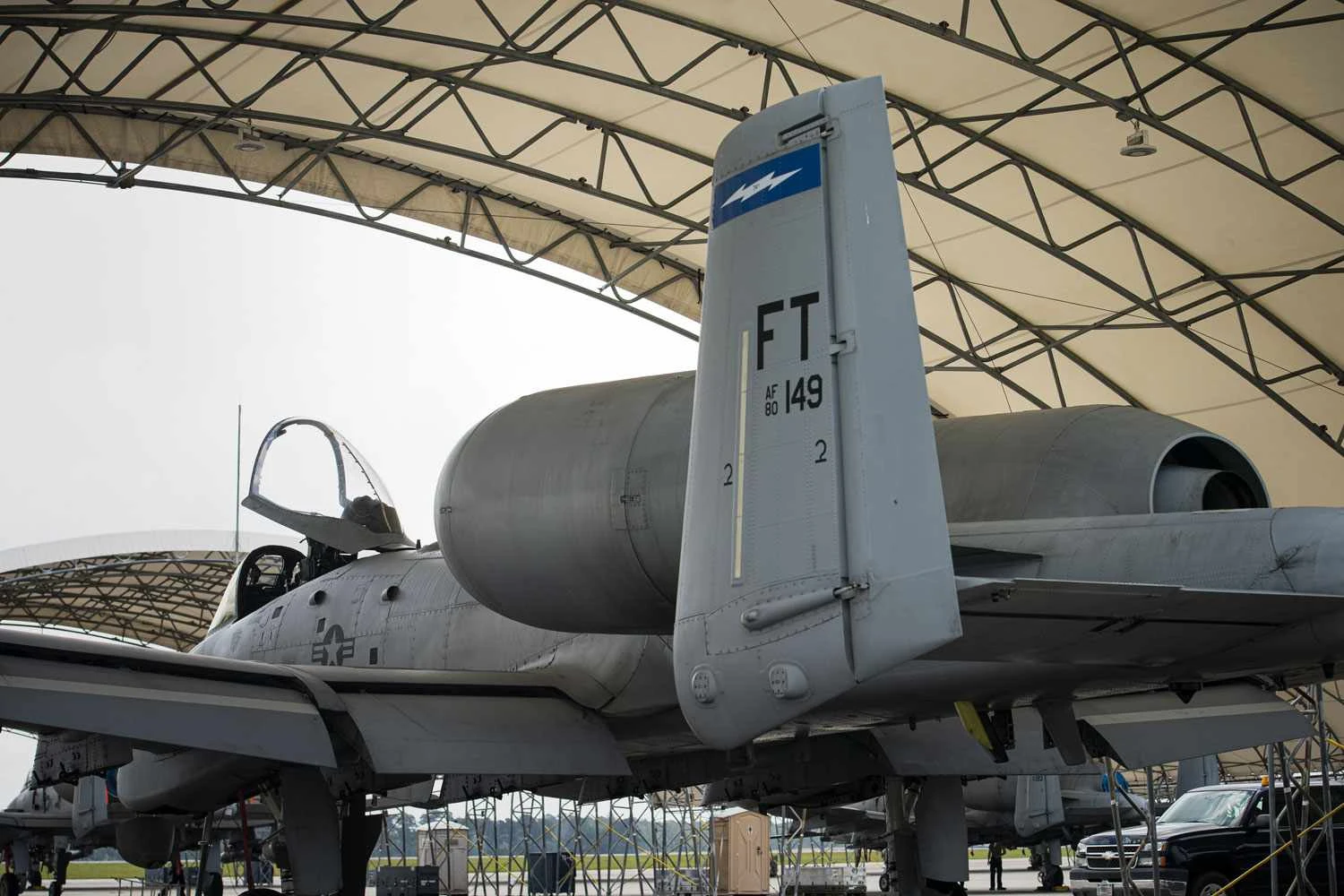
A-10C 80-149 (USAF) The A-10 was assembled until 1984, with 714 aircraft delivered (Master Sgt. Ed Boyce/USAF)
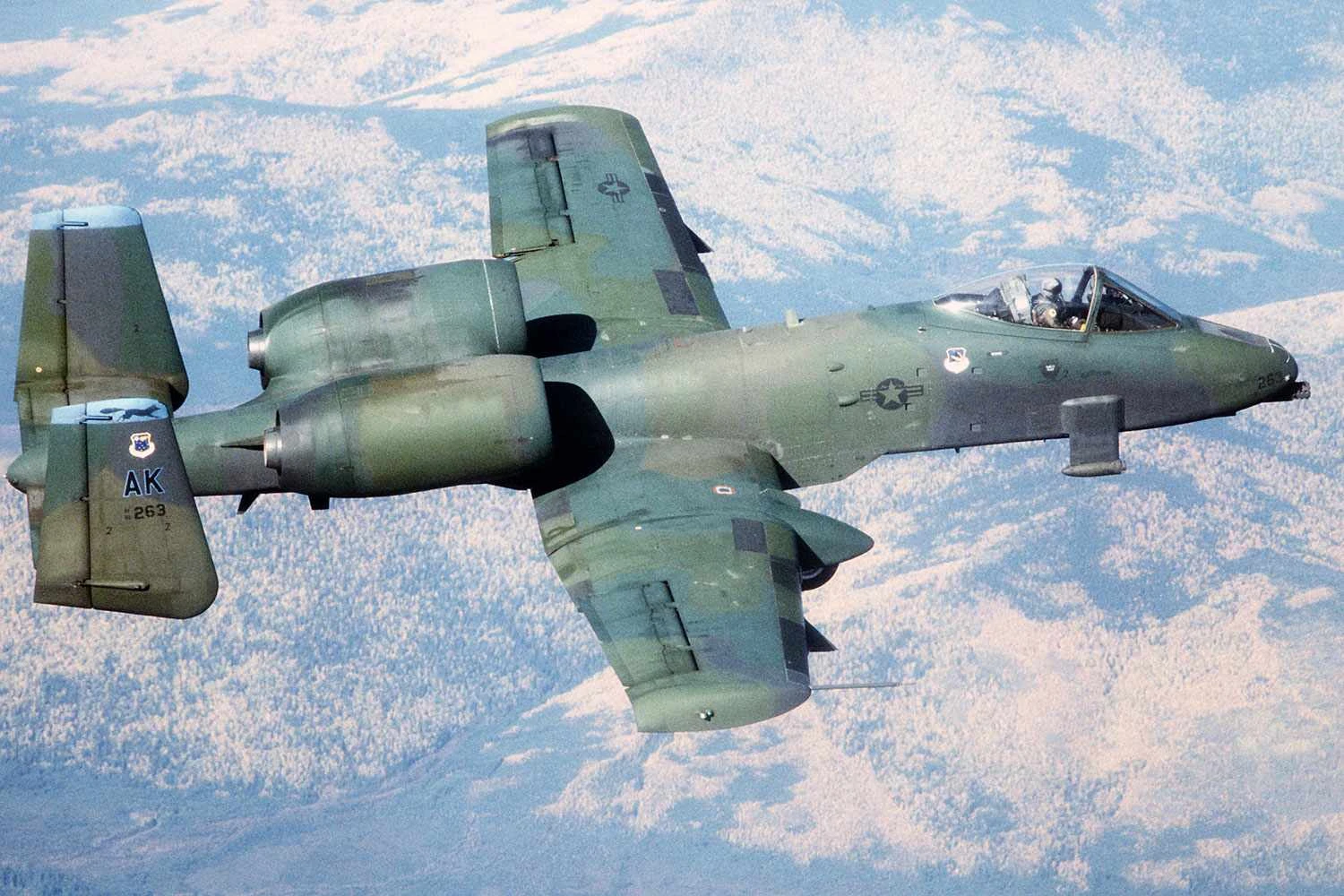
The decision reverses a long-standing effort by the Air Force to retire the A-10, a subsonic attack jet introduced in 1976 and originally designed to counter armored formations in Europe. Over time, it became closely associated with close air support missions in Iraq and Afghanistan, built around its GAU-8 30mm cannon and ability to operate at low altitude for extended periods.
Despite the extension, much of the A-10’s support structure has already been scaled back. The Air Force graduated what it described as its final class of A-10 pilots earlier this month, and depot-level maintenance for the aircraft has been discontinued, raising questions about how the fleet will be sustained through the end of the decade.
Previous legislation had already reduced the fleet, with 103 aircraft expected to remain in service by late 2026. While structural upgrades such as new wings have extended the airframe’s theoretical lifespan, maintaining the A-10 beyond 2030 would likely require rebuilding training and maintenance capacity that has already been phased out.
