


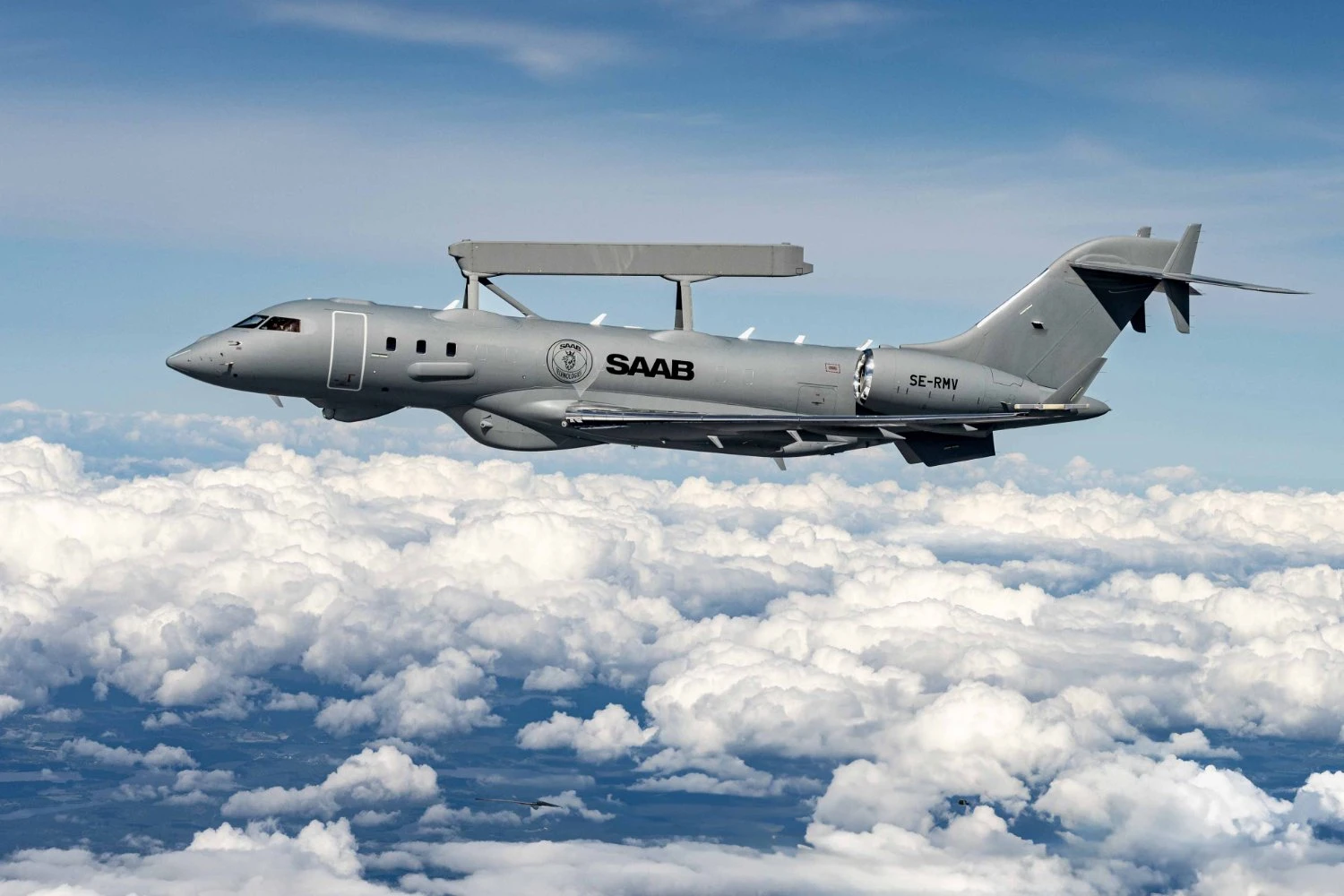
Reports that NATO selected Saab’s GlobalEye to replace its fleet of Boeing E-3 Sentry airborne warning and control aircraft were quickly disputed by the Swedish manufacturer, which said no agreement has been finalized.
French publication La Lettre reported that NATO’s procurement agency had chosen Saab and Bombardier to supply GlobalEye aircraft to replace the alliance’s 14 E-3 jets.
The report was later questioned after FlightGlobal cited Saab saying no contract had been signed and no formal order had been received.
“We have noted the information in the media,” Saab vice president of media relations Mattias Radstrom told the outlet.
“It is up to NATO to comment on where they are in their procurement process. I can confirm that we have provided information to them but we have not signed a contract or received an order from NATO for GlobalEye.”
A NATO official also declined to confirm the report, saying member states involved in the Alliance Future Surveillance and Control program continue to evaluate options with support from NATO’s procurement agency.
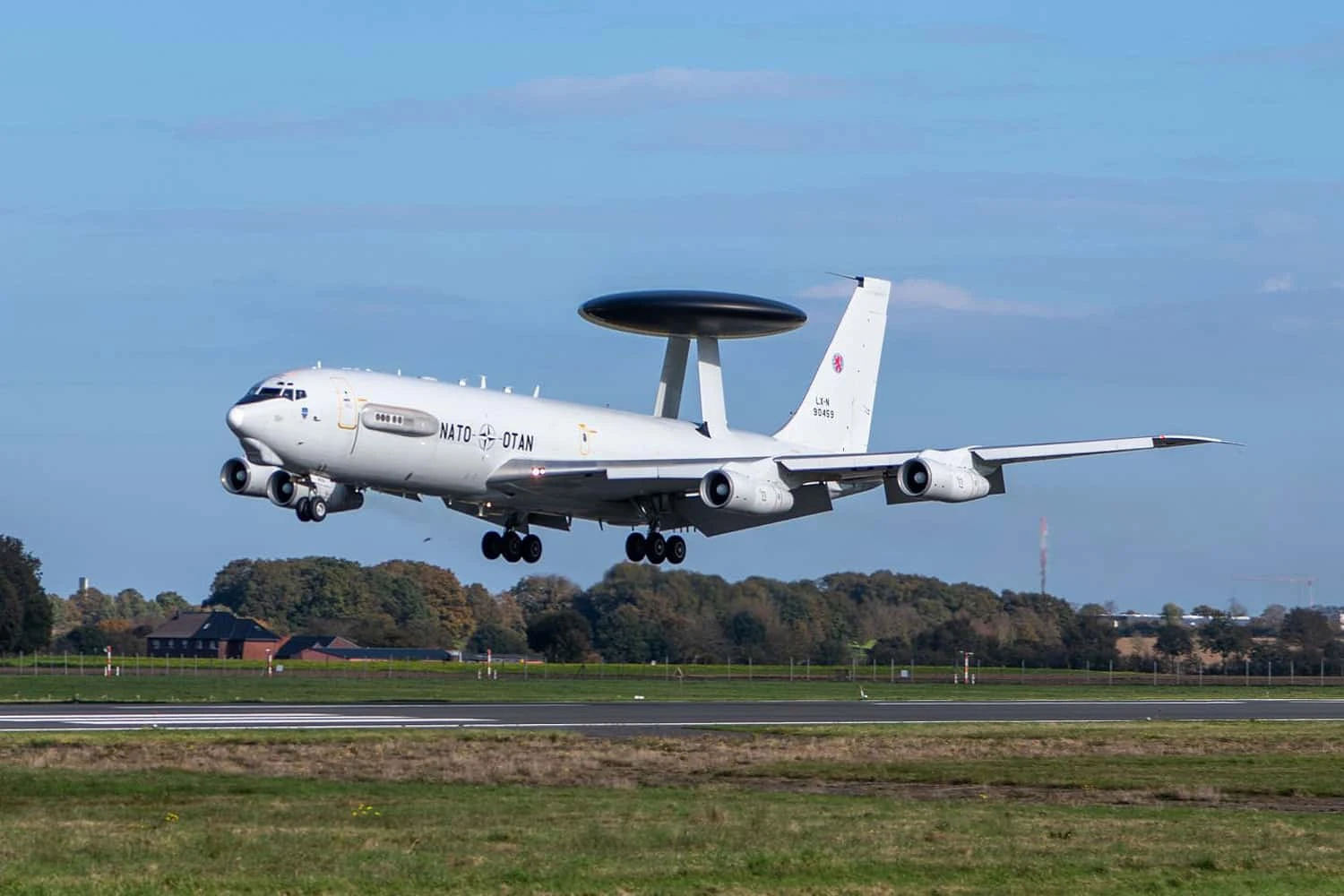
NATO has been looking for a successor to its E-3 fleet since 2016. The aircraft, based in Geilenkirchen, Germany, entered service in the early 1980s and is expected to remain operational until around 2035.
The alliance had previously selected the Boeing E-7 Wedgetail in 2023 and planned to acquire six aircraft, but that strategy lost momentum after the U.S. Air Force stepped back from its own E-7 acquisition plans last year in favor of space-based surveillance systems.
That shift reopened the competition and strengthened Saab’s position as NATO countries increasingly push for greater reliance on European defense manufacturers.
GlobalEye combines Saab’s Erieye Extended Range radar with a Bombardier Global 6000/6500 business jet platform. The aircraft is already operated by the United Arab Emirates, while Sweden and France have also placed orders.
