


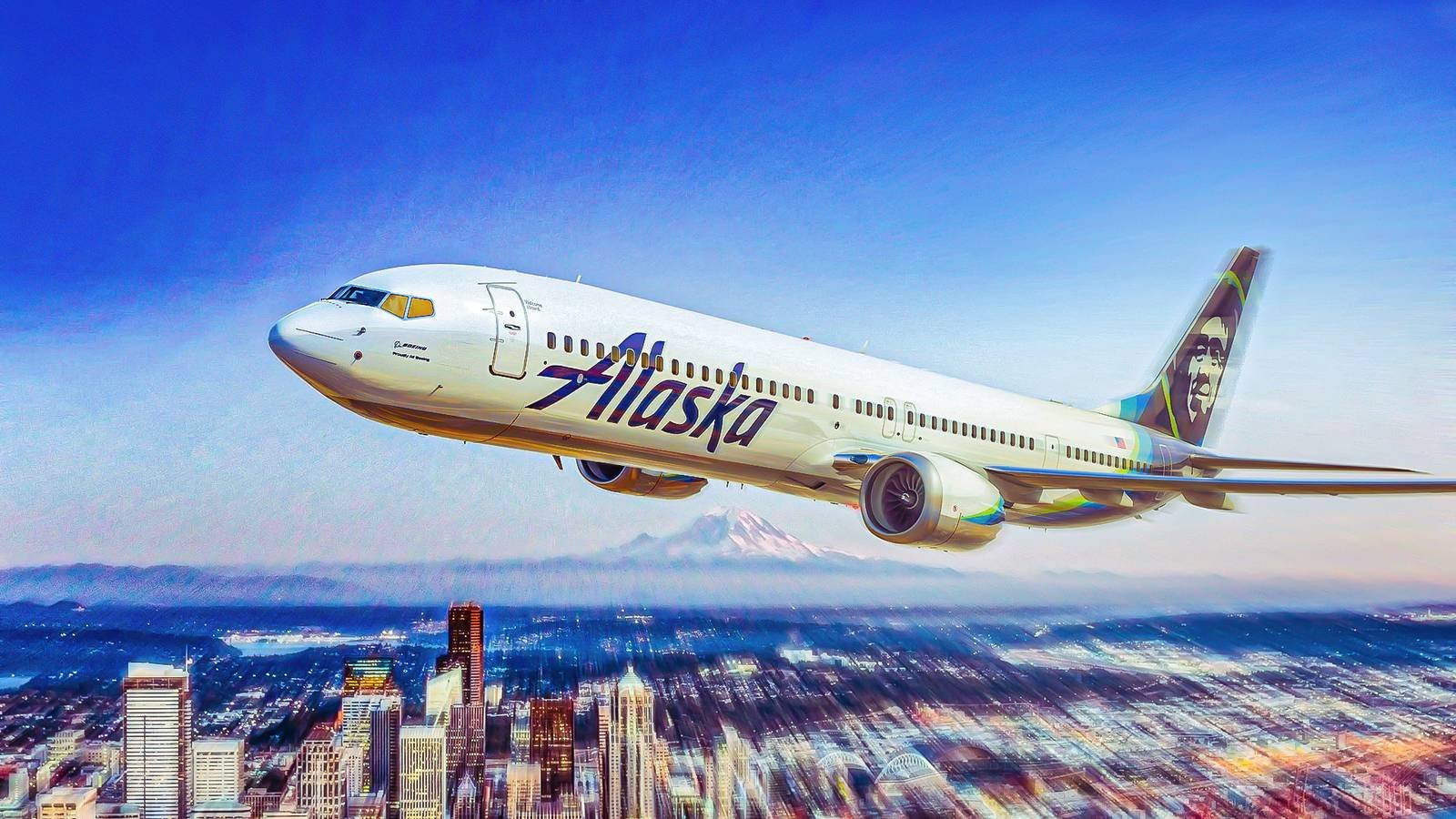
The Federal Aviation Administration (FAA) has announced a proposed fine against Alaska Airlines for allowing multiple intoxicated flyers to board its flights over a one-year span. The 11 incidents alleged by the FAA took place between February 2024 and 2025.
The aviation regulator decided to levy the civil penalty of $165,000 after an investigation that found the travelers in question were visibly drunk, in violation of Section 121.575 of the Federal Aviation Regulations. Alaska has two options now: to pay up, or to contest the fine by requesting a hearing with an administrative judge through the US Department of Transportation (DOT).
Alaska Airlines Makes Course Corrections

Not only is boarding a passenger who appears intoxicated a violation of FAR 121, but operators are required to report alcohol-associated passenger disturbances within five days. The airline publicly states that it has been cooperating with the FAA to ensure a safe environment for customers as well as crew.
Alaska says that it took immediate corrective action following initial notification from the FAA. That includes increased employee training combined with stricter screening guidelines for flight attendants and gate agents. The new gate procedures are intended to help staff catch the signs of intoxication before potentially unruly passengers can step on the plane.
Anchorage Daily News recounted this statement from Alaska Airlines spokesperson Tim Thompson:
“We participated fully with the FAA’s audit of our policies and practices as it relates to intoxicated guests on board our aircraft. Since the FAA shared these concerns with us over a year ago, we made meaningful changes to ensure compliance with the FAA’s expectations.”
The No-Fly Rule For Drunk Passengers

The FAA expects all civil carriers to strictly enforce a ‘No Fly’ policy for visibly drunk passengers. The common signs that airliner staff are trained to look for follow the acronym ‘TRIP:’ tone, reactions, impairment, and personality. Gate agents and FAs should look for slurred speech, slow reflexes, stumbling, and extreme emotional dispositions like anger, sullenness, or overly cheerful behavior.
Airline employees check for these signs using quick observations during routine boarding processes and passenger interactions. The most common red flags are glazed eyes, flushed faces, and clumsiness. Staff are trained to perform a ‘scan and greet’ where they make direct eye contact and have a brief conversation with every flyer to gauge their condition. At the same time, all agents and FAs look for the smell of alcohol, cannabis, or powerful masking scents like mouthwash or heavy cologne.
If a flyer is determined to be clearly intoxicated, the gate agent immediately flags the passenger’s reservation in the computer system and notifies the lead flight attendant and captain to prevent them from trying to board another entrance. If the passenger becomes argumentative or aggressive, airport police or local law enforcement are called. This forfeits the passenger’s airfare, and the FAA can pursue independent legal action, issuing fines of up to $37,000.
10 Months Jail & $12k Fine: Ryanair Celebrates Conviction Of Unruly Ibiza Flight Duo
The airline praised a French court’s decision to sentence two unruly passengers to suspended prison terms and heavy fines.
The Dreaded Audit: The FAA Cracks Down

The announcement of these penalties against Alaska follows a broader trend of audits by the FAA to drive a safety culture shift across the industry. In April,  American Airlines was fined $255,000 alongside
  Southwest Airlines for $304,000 when the FAA alleged they were failing to follow drug and alcohol regulations after FAs, mechanics, and pilots tested positive on drug and alcohol tests over the course of years of flight ops.
The FAA takes a hard line on this because flight attendants are not just there for customer service. They are the primary first responders responsible for emergency evacuations, cabin safety, and in-flight first aid. Similarly, under DOT guidelines, once an active pilot or mechanic fails a drug test, they must undergo a multi-year series of unannounced follow-up retests to prove continuous sobriety.
The FAA alleges that both airlines allowed the system to break down and did not follow the prescribed schedule of testing to ensure they were sober enough for continued duty. Simultaneously, the FAA continues to scrutinize other areas of operations, like baggage-weight calculations at Southwest, as well as reliability and quality with aircraft like the Boeing 737 MAX.
Catch what other trackers miss
Emergency squawks, holds, NOTAMs — live signals, no signup.
Open tracker
Catch what other trackers miss
Emergency squawks, holds, NOTAMs — live signals, no signup.
Open tracker
