


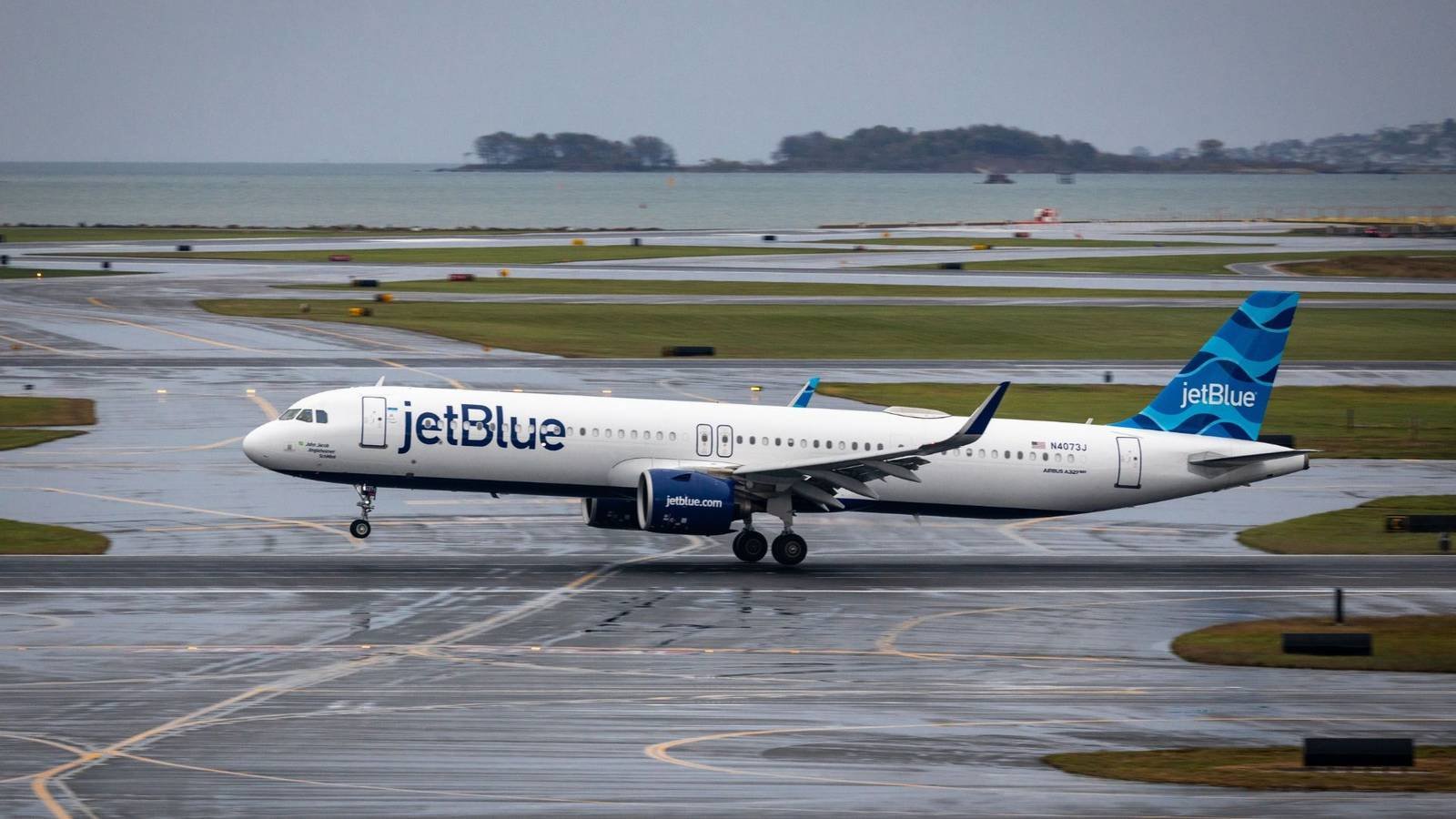
JetBlue Has Confirmed Changes, But Few Details
An internal communication seen by aviation industry observers indicates that JetBlue intends to revise its descent procedures as part of a broader effort to enhance crew safety. The airline stated that it reviewed operational data and identified opportunities to secure the cabin earlier during descent, particularly at lower altitudes where unexpected turbulence can occur with little warning.
However, JetBlue has not publicly released a detailed breakdown of the new procedures. The airline’s communication focused primarily on the safety rationale behind the changes rather than the specific operational steps that crews will be required to follow. As a result, much of the discussion surrounding the update remains speculative.
What appears clear is that the airline wants flight attendants seated sooner during descent. The memo references securing the cabin earlier and ensuring crew members are protected before the aircraft enters the final stages of approach. Beyond that, JetBlue has not publicly disclosed timing requirements, service modifications, or changes to cabin announcements. A post on X, displaying the internal memo, details the following:
“Effective June 3, initial and final descent procedures will be combined into a single event and renamed as descent. This updated process enables Inflight crewmembers to complete required procedures earlier, ensuring the cabin, customers, and crew are secured prior to sterile cockpit.”
What The New Procedures Might Include

Based on similar initiatives adopted elsewhere in the industry, such as  American Airlines, the most likely change would be moving cabin-securement tasks earlier in the descent. This could mean flight attendants completing final safety checks, collecting remaining service items, and securing galley equipment sooner than they do today.
Passengers could also notice the cabin being prepared for landing earlier. Tray tables may need to be stowed sooner, electronic devices put away earlier, and cabin service wrapped up with more time remaining before arrival. In some cases, airlines have shortened the period during which passengers can continue working or moving around the cabin during descent to allow crews to take their jumpseats earlier.
Another possibility is the consolidation of multiple descent-related procedures into a single workflow. Industry sources have suggested that airlines are increasingly looking to simplify cabin preparation tasks, reducing the amount of time flight attendants spend standing during the final stages of flight. While JetBlue has not confirmed these specific measures, they would align with the safety objectives described in its communication.
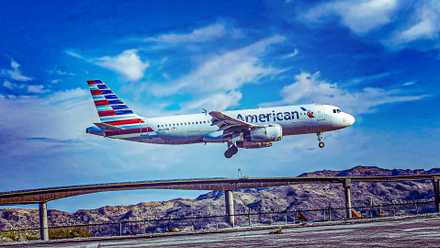
18,000 Feet: American Airlines Will Secure Cabins Earlier To Cut Turbulence Injuries
As around 25% of in-flight turbulence injuries occur during the airline’s descent, American Airlines will now descend earlier.
Why Airlines Are Increasingly Focused On Turbulence Risks

The aviation industry’s heightened focus on turbulence stems from the fact that flight attendants are disproportionately affected. A landmark study by the NTSB examining US commercial airline turbulence accidents found that flight attendants accounted for nearly 80% (78.9%) of all recorded serious injuries. Researchers concluded that cabin crew members remain the group most vulnerable to turbulence-related harm because they are routinely performing duties while passengers are seated.
Historical data heavily support the trend. FAA and NTSB statistics show that crew members account for the overwhelming majority of serious turbulence injuries, with nearly 60% of those injuries occurring during the descent phase below 20,000 feet.
An industry analysis from the National Transportation Safety Board (NTSB) also identified cabin preparation for landing as one of the most common activities when flight attendants are injured by turbulence. That finding may help explain why airlines are increasingly examining descent procedures as a way to mitigate risk. If crews can complete safety checks and secure the cabin earlier, they spend less time exposed during a phase of flight when unexpected turbulence can still occur.
