


P&WC already published a service bulletin in response to the risk.
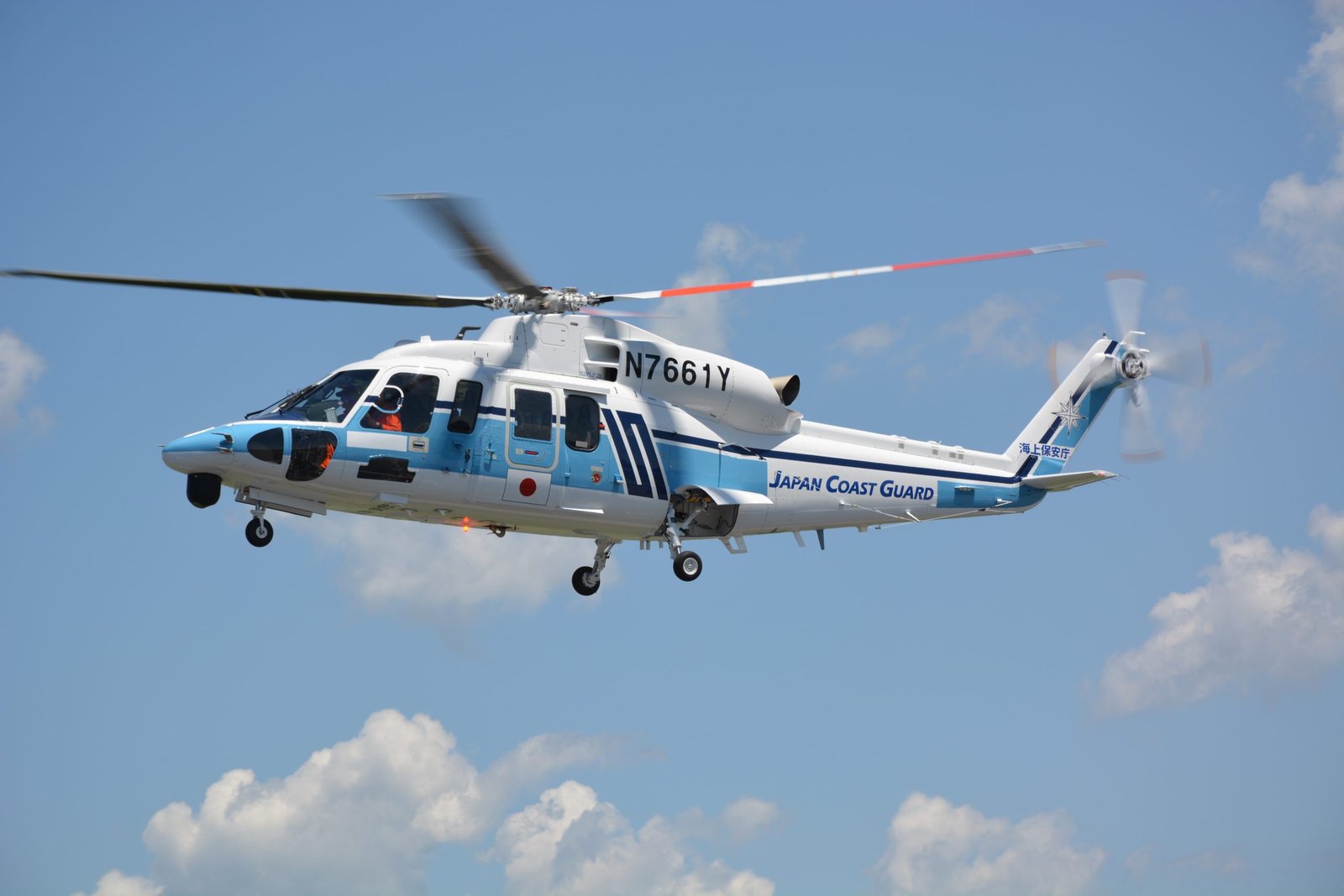
Canada’s aviation regulator has issued an emergency airworthiness directive (AD) to address possible cracks in Pratt & Whitney Canada (P&WC) PW210 turboshafts that power twin-engined Leonardo Helicopters AW169s and Sikorsky S-76s.
Transport Canada’s order, released on 4 June, sets deadlines by which operators must complete visuals inspections for “turbine exhaust frame” (TEF) cracks.
“Operators reported circumferential cracks at the TEF external surface,” the AD says. “Investigation revealed that the cracks originated from a wall of the TEF, which was found under the minimum required thickness”.
The cracks resulted from “thermal stress linked to engine starts”, and TEF failures can lead to engine failures resulting in “release of parts”, it adds.
The order applies to the AW169’s PW210A turboshafts and to the PW201S, which powers S-76s.
P&WC in May issued a service bulletin addressing the issue by calling on operators to perform “repetitive general visual inspections”.
Transport Canada is now requiring those inspections.
Operators of PW210s that have logged more than 7,000 cycles since new must complete the inspections within 5h of flight time or 20 engine starts, while engines with 2,000-7,000h must be inspected within 50h or 200 starts. The inspections must be repeated at intervals of less than 200 engine starts, it AD says.
Also, operators who find cracks exceeding 9.5in (24.1cm) must ground the aircraft until they replace the component.
Neither P&WC, Leonardo nor Sikorsky immediately responded to requests for comment.
Subscribe to gain access to all news
Already have a subscription? Log in.
Choose your subscription
Considering a corporate subscription? Contact us to find out more.
