


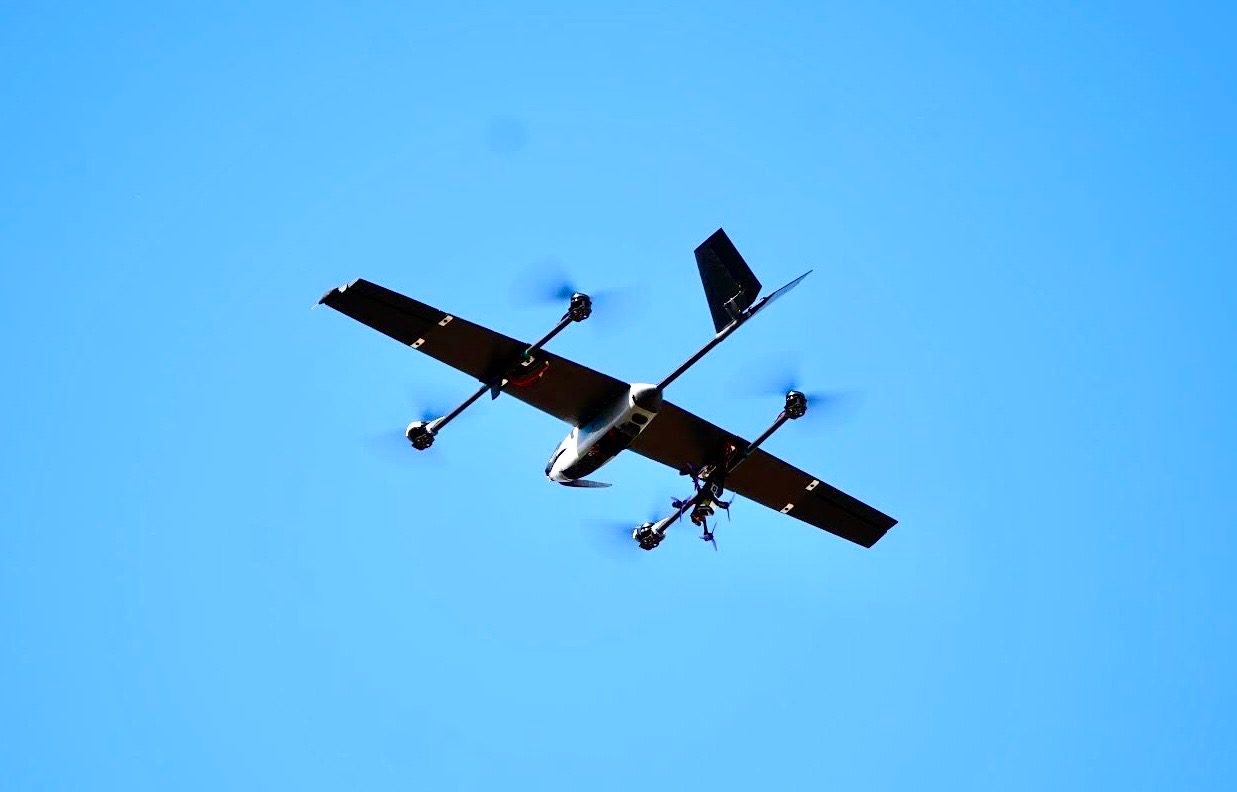
WingXpand will work with Verizon Frontline and emergency teams to explore new tools for disaster assessment and community resilience
As severe weather events continue to affect communities across the United States, drone and autonomous aircraft technologies are gaining attention as tools to support emergency response. This week, St. Louis-based WingXpand announced its participation in the Verizon Community Disaster Resilience Innovation Accelerator, a program designed to explore new approaches to disaster response, communications, and community resilience.
The program, powered by MassChallenge, brings together innovators, Verizon Frontline, and emergency response organizations. Participants will examine how emerging technologies can help communities prepare for and recover from natural disasters.
The announcement comes as tornado outbreaks, flooding, hurricanes, and wildfires continue to create challenges for emergency management agencies nationwide. During major disasters, responders often face damaged infrastructure, power outages, and communication disruptions. Those conditions can slow efforts to assess damage, identify hazards, and locate people in need of assistance.
Using Aircraft to Improve Situational Awareness
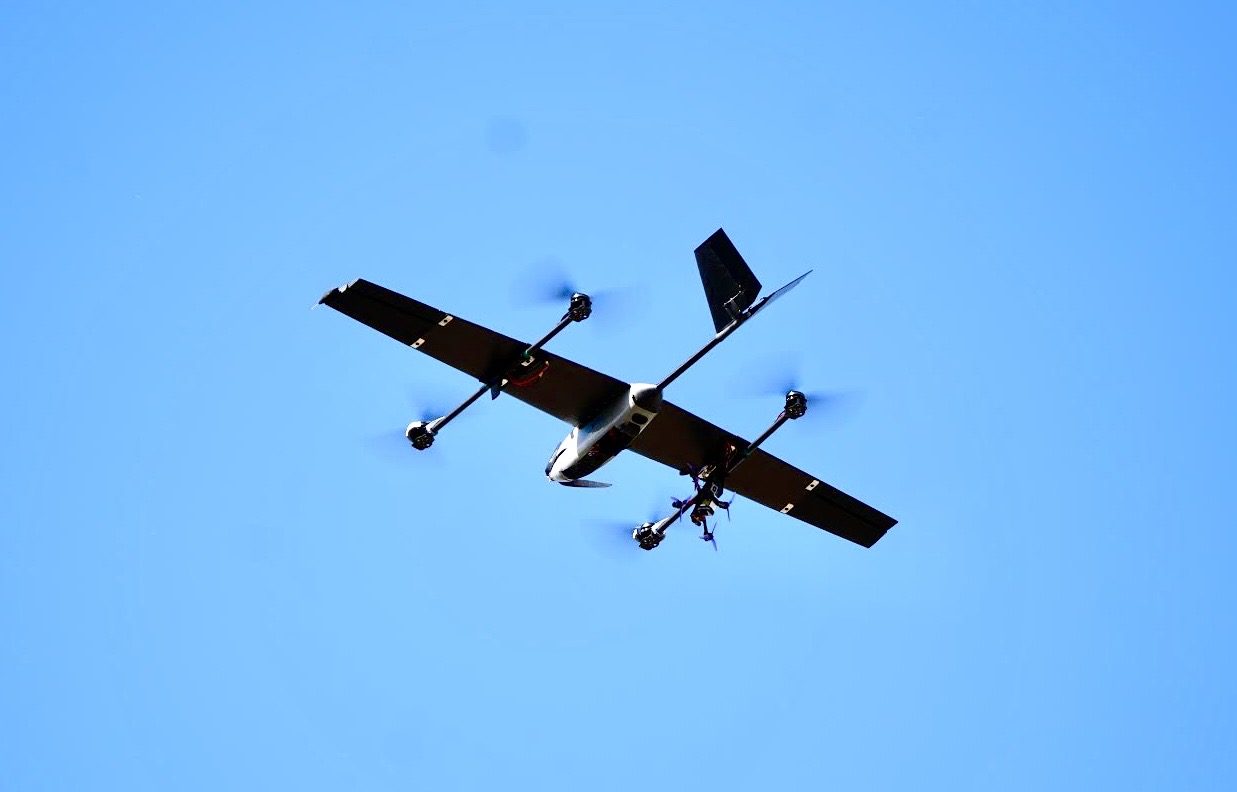
WingXpand’s contribution centers on its xRAI™ Smart Plane™, an autonomous aircraft designed to fit inside a backpack and deploy quickly in the field. The company says the system can launch within minutes and provide aerial coverage over large areas.
According to WingXpand, the aircraft combines long-endurance flight, onboard artificial intelligence, and a portable design intended for emergency operations. The company says the platform can help responders gather information when traditional communications or transportation infrastructure has been affected.
“When disasters happen, information becomes critical,” said James Barbieri, CEO and Co-Founder of WingXpand. “The faster responders can understand conditions on the ground, the faster they can prioritize resources, reach people in danger, and help communities recover. We believe autonomous systems are going to fundamentally improve how emergency response operates in the years ahead.”
WingXpand positions the system as an alternative to shorter-range drones when responders need to cover larger areas. The company says its aircraft can help small teams assess broad disaster scenes, including locations that may be difficult to access by vehicle.
Growing Demand for Disaster Response Technology
The use of drones and uncrewed aircraft in disaster response has expanded significantly over the past decade. Public safety agencies now use aerial systems for damage assessment, search and rescue, infrastructure inspection, and situational awareness following hurricanes, floods, wildfires, and severe storms.
Long-endurance aircraft have attracted particular interest because they can remain airborne longer than many multirotor platforms. That capability can help emergency managers monitor larger areas while reducing the need for frequent battery changes and redeployments.
WingXpand says its systems currently support operations across the U.S. military, including the Army, Navy, Air Force, and Special Forces. The company also works with state agencies and other organizations throughout the country.
“Technology should help communities recover faster and help responders make decisions sooner,” said Michelle Madaras, President and Co-Founder of WingXpand. “This is about building practical tools that help the people who keep our world running when communities need them most.”
As weather-related disasters continue to increase in frequency and cost, programs such as the Verizon Community Disaster Resilience Innovation Accelerator reflect growing interest in technologies that can help responders gain information quickly and maintain operational awareness when traditional infrastructure is unavailable.
Read more:

Miriam McNabb is the Editor-in-Chief of DRONELIFE and CEO of JobForDrones, a professional drone services marketplace, and a fascinated observer of the emerging drone industry and the regulatory environment for drones. Miriam has penned over 3,000 articles focused on the commercial drone space and is an international speaker and recognized figure in the industry. Miriam has a degree from the University of Chicago and over 20 years of experience in high tech sales and marketing for new technologies.
For drone industry consulting or writing, Email Miriam.
TWITTER:@spaldingbarker
Subscribe to DroneLife here.
