


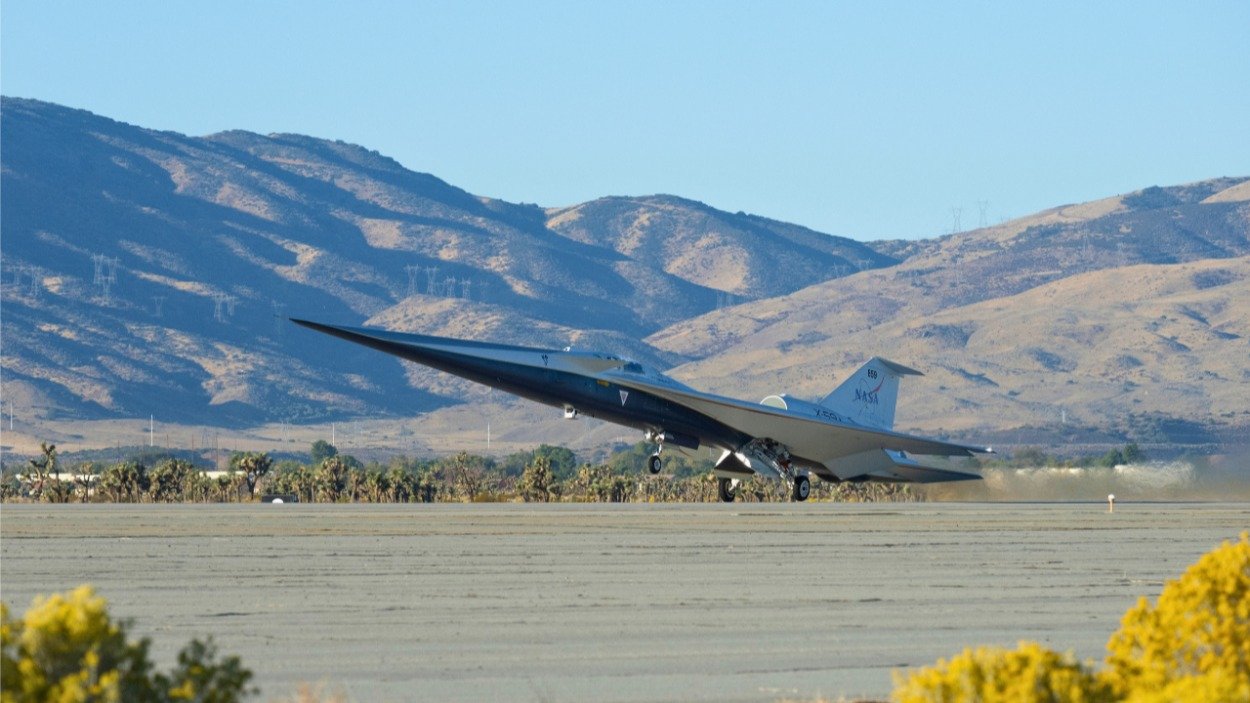
The dream of the 70’s finally has some legal backbone behind it. After more than five decades, the FAA is ready to remove its blanket prohibition of supersonic flight over land. On June 30, the agency published a notice of proposed rulemaking to retire the ban that’s been in place since 1973. In its place, the FAA proposed a noise-based certification threshold: a ground-level overpressure at or below 0.11 pounds per square foot to fly supersonically over the continental United States.NASA’s X-59 quiet supersonic demonstrator program has played a pivotal role in determining the 0.11 psf limit. It produced enough of a data set, along with acoustic research and modeling going back years, for the FAA to determine a number based on data rather than gut. This certification rule is not yet final, and the FAA is accepting comments for 45 days post June 30. Takeoff and landing noise will be covered by separate rulemaking with both expected to be finalized by mid-2027. The significance of this milestone to business aviation lays more on the OEM side for the moment. Fractional operators and flight departments come next. But the path to certification is coming into focus even if the length of that path is not. An aircraft capable of meeting the 0.11 psf threshold may arrive in five years or fifteen. But whenever that day arrives, it will have a clear lane to fly in.
Trending
- India seeks role in France’s sixth-generation fighter program
- Motorola Solutions Completes D-Fend Acquisition
- Ice Dart Drone Uses Cat-Inspired Claws to Land on Ice
- Tillamook Air Museum Sets Stage for Sale
- US approves sale of four KC-46 tankers to Qatar
- Eight Killed in Alaska Cessna 441 Accident
- Bombardier Lands Second Moody’s Upgrade in a Year as Debt Falls and Cash Flow Strengthens
- TUIfly Netherlands To Swap Out 737-8s For -10s
