


WASHINGTON — The U.S. Space Force is widening the field of companies eligible to compete for national security launch contracts, adding launch startup Relativity Space and orbital transportation company Impulse Space to a roster of commercial providers as it looks to diversify how military satellites reach orbit.
The companies were admitted to the National Security Space Launch (NSSL) Phase 3 Lane 1 contract vehicle, making them eligible to compete for future task orders under the program, the Space Force said in a July 7 contract announcement.
Unlike a traditional contract award, admission to the Lane 1 Indefinite Delivery, Indefinite Quantity, or IDIQ, contract does not guarantee launch business. Instead, it places companies into a pre-qualified pool from which the Space Force can solicit bids for individual missions as they arise, provided participants meet the program’s flight-readiness requirements.
The additions expand a field that already includes SpaceX, United Launch Alliance, Blue Origin, Rocket Lab and Stoke Space.
The two newcomers represent different approaches to the market.
Relativity Space is developing the medium-lift Terran R rocket for commercial and government missions. The vehicle has yet to make its first flight but is intended to compete for national security launches that do not require the highest levels of mission assurance.
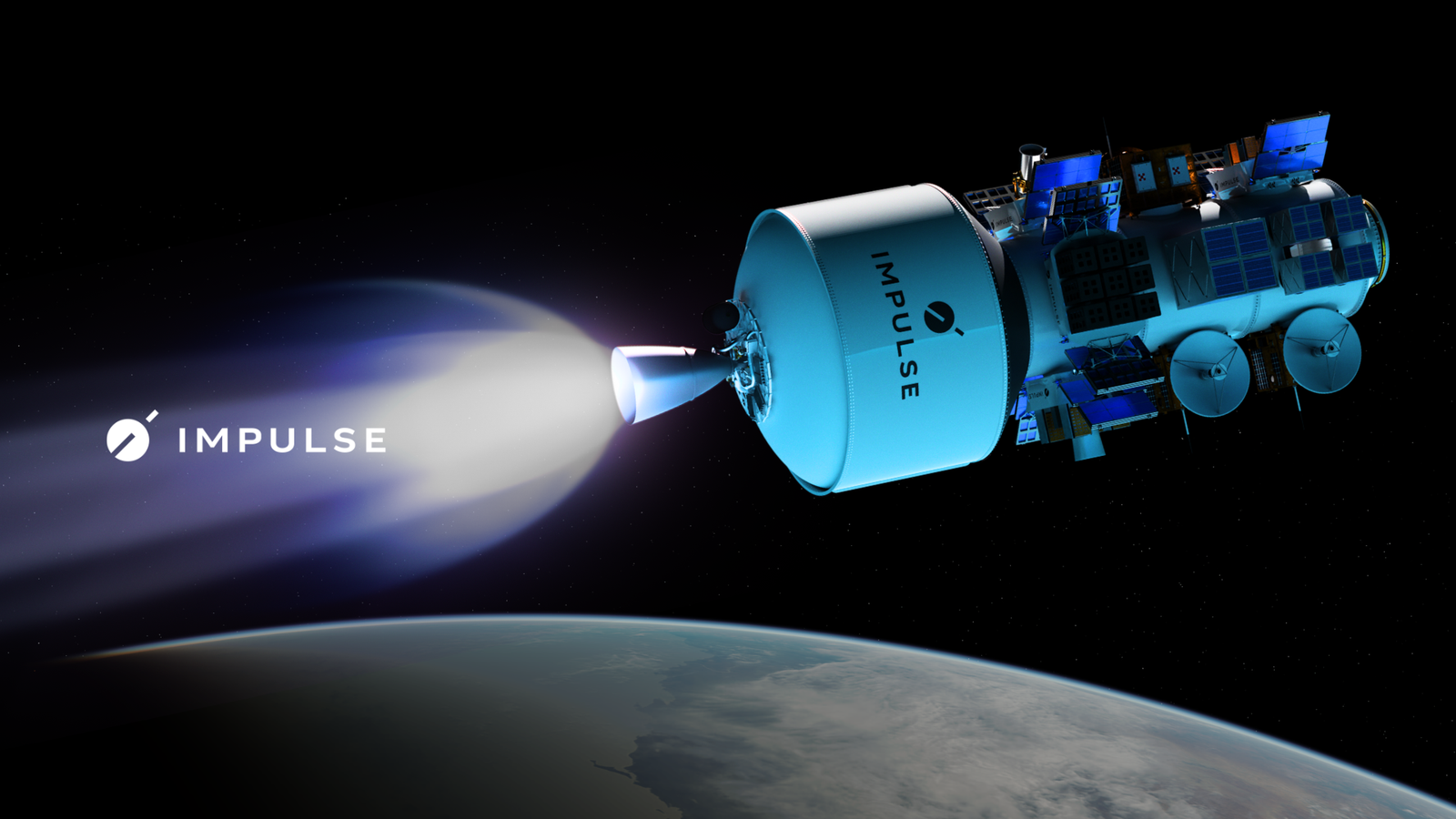
Impulse Space does not build launch vehicles. The company develops orbital transfer vehicles known as space tugs that transport satellites from the orbit where a rocket releases them to their final operational destinations. It also is developing a high-energy kick stage capable of moving spacecraft from low Earth orbit to geostationary orbit and beyond.
Its selection reflects an evolution in how the Space Force is defining launch services.
Rather than buying only rockets, the service is also looking at integrated transportation services in which one company provides the launch vehicle while another performs the final orbital delivery. Under that model, Impulse could compete for missions that pair its transfer vehicles with rockets supplied by other launch providers.
Lane 1 represents the Space Force’s effort to inject more commercial competition into military launches. The procurement track covers lower-risk national security missions that can use commercial launch services and is intended to give newer providers a pathway into the Pentagon’s launch business once they demonstrate basic flight capability.
That contrasts with NSSL Phase 3 Lane 2, which is reserved for the military’s most demanding missions and requires fully certified launch systems capable of meeting the government’s most stringent mission assurance standards.
