


In an exciting move, the Greater Orlando Aviation Authority will proceed with approved plans to develop the United States first vertistop. Located on the grounds of Orlando International Airport (MCO), this is the first step in bringing electric vertical takeoff and landing to the Central Florida region.
This vertistop will be planned for the current Surface Lot Atlantic, in proximity to the Brightline train station that also serves the airport’s Terminal C. The construction of the vertistop is hoped to begin by the end of October, once it has received Federal Aviation Administration ( FAA) sign-off.
Developing The United States First Vertistop

Electric vertical take-off and landing ( eVTOL) aircraft are yet to receive certification for commercial operations; however, as suggested by MyNews13, they could see the site at Orlando airport be used for demonstrations once operational. The vertistop will not affect airport operations, however the area will consume around 80 leased-used parking spaces.
According to airport officials, the airport’s leaders are excited to be part of this latest chapter of air transportation, with the evolution of eVTOL operations at one of Florida’s busiest airports. Kevin Thompson, the assistant vice president of planning for MCO, explains:
“I think it is going to be a slow start. There is a crawl, walk, run to this process, and so we are looking to potentially have demonstrations here later this year.”
The First Step Of Many In The Evolution Of Air Transportation At Orlando

With the advancements in technology and the evolution of the eVTOL, Orlando will likely become a benchmark for what else can be built around the country. The vertiport will eventually see a terminal and other amenities, as expected with commercial air travel. The entire facility in Orlando is expected to be completed by the end of the decade.
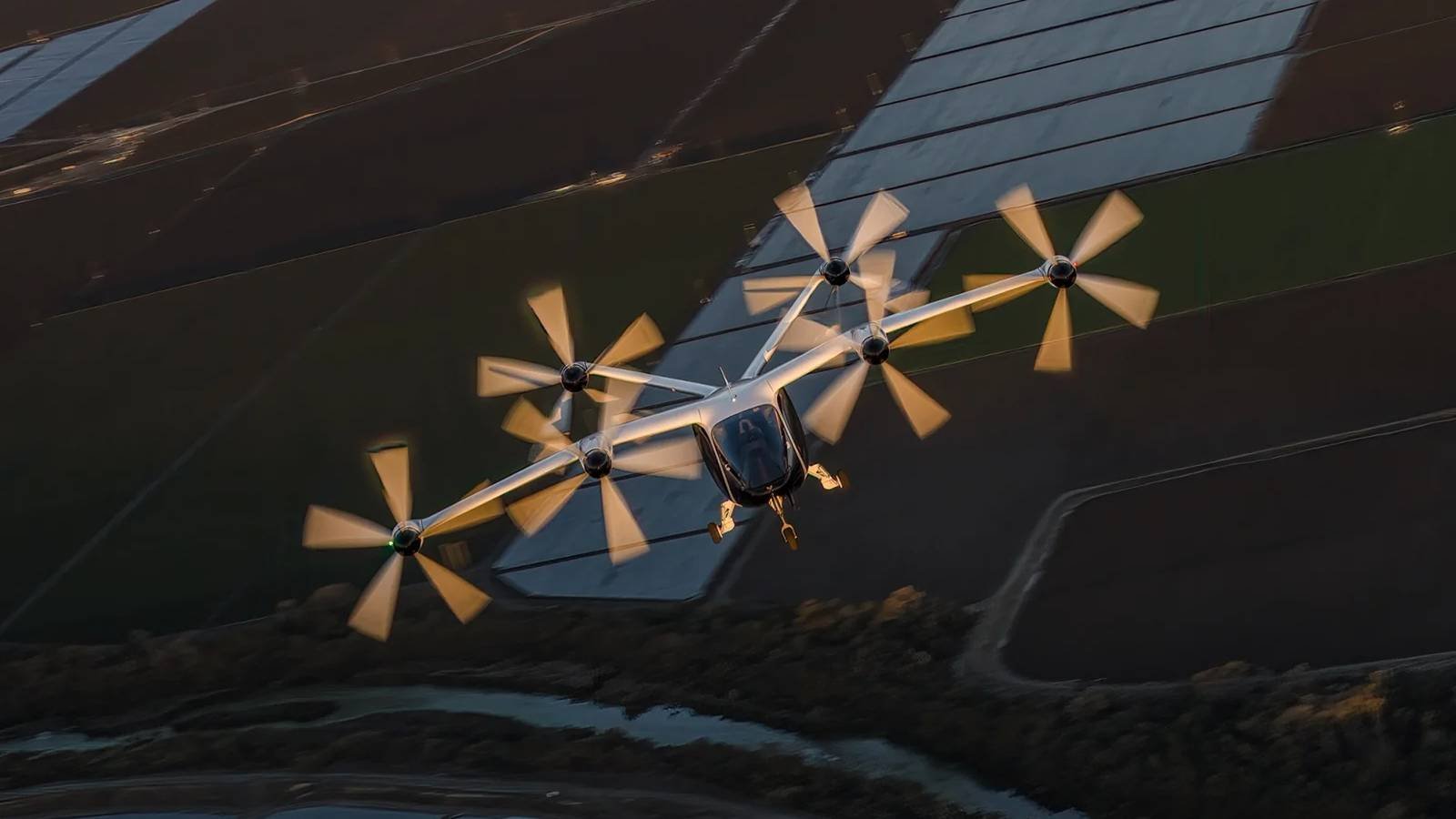
Those curious about traveling by eVTOL have been reassured it’s somewhat like traveling on a helicopter, and the benefits of the equipment could allow you to avoid traffic or other inefficiencies of getting to the airport, as such an improvement of public transit. The eVTOL will operate on multiple propellers meaning they achieve a higher safety rating, as then if one motor fails, the others are able to compensate.
By the Greater Orlando Airport Authority taking these early steps to build and develop this vital airport infrastructure, will support the momentum and evolution of the eVTOL, and as such provide an alternative way for travelers to consider how they get to and from the airport.
Benefits of Flying On An eVTOL

Joby Aviation is one of the world’s leading vertiport developers and completed the first vertiport in Dubai. Alongside the United Arab Emirates, more than 25 sites have been identified across the United States where these could be developed. It has been suggested that Orlando was a strong market contender for a vertiport, as traffic can be dreadful on the I-4, and given its central location, which is close to Tampa, Cape Canaveral, Greater Orlando, and Central Florida.
eVTOLs are battery-powered aircraft that can take off and land, similar to a helicopter. Different to helicopters, these travel horizontally, such as an aircraft, and are battery powered, so are quiet, produce zero emissions, and are poised to become like flying taxis, meaning they will be able to bypass urban traffic by flying in the sky. Further benefits are listed below:
Environmental Impact | Zero emissions, electric motors convert energy quicker than combustion engines, sustainable manufacturing with recyclable composites. |
|---|---|
Noise Reduction | Motor small rotors spin instead of one large blade, quiet acoustics being designed to take off in city locations, community friendly |
Efficiency | Bypass ground traffic, can operate on existing helipads |
Cost | Lower maintenance costs, electric powertrains have fewer moving parts |
While the evolution of urban air mobility will see these operate like taxis, there have also been suggestions that the eVTOL could be used for personal flights and recreation, or emergency response, given they can quickly take off and land in locations that aircraft cannot potentially serve. Medical transport, search and rescue operations, or disaster relief are all part of the next frontier of this exciting chapter.
