


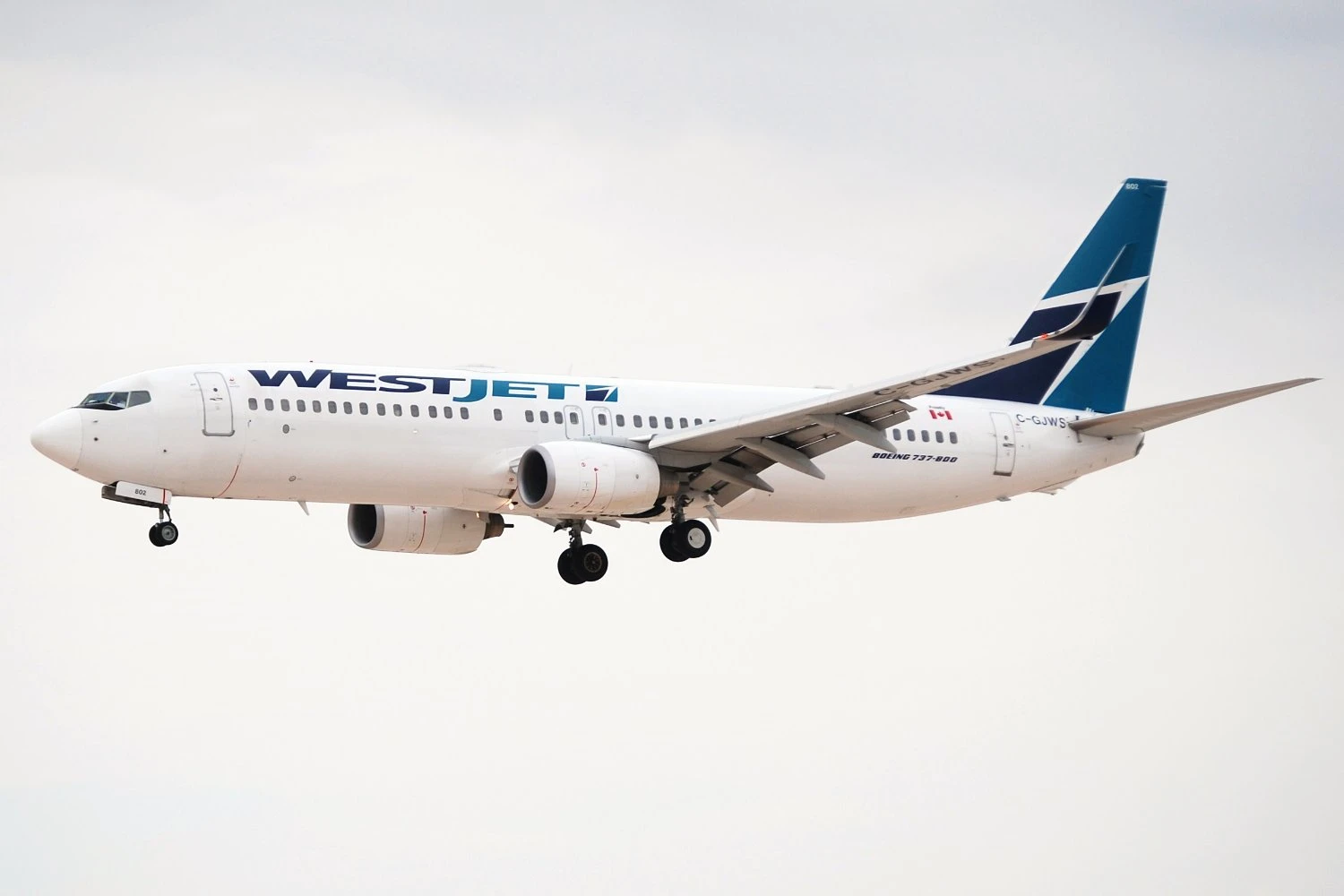
WestJet flight attendants could begin a strike on Aug. 2 after their union issued a 72-hour notice, raising the prospect of flight disruptions during one of Canada’s busiest travel periods.
The Canadian Union of Public Employees (CUPE), which represents the airline’s cabin crew, said negotiations remain deadlocked over several key issues, with compensation at the center of the dispute. The union wants flight attendants to be paid from the time they report for duty until they clock out, rather than primarily for credited flight hours.
The current pay structure, common across much of the airline industry, leaves cabin crew unpaid during activities such as boarding passengers, preparing the aircraft before departure and remaining on board after landing, according to the union.
WestJet responded by issuing its own 72-hour lockout notice, a procedural step under Canadian labor law, while stressing that negotiations are continuing. The airline also introduced more flexible booking policies, allowing passengers to change or cancel eligible itineraries scheduled through Aug. 4.
The carrier said negotiators have reached tentative agreements on dozens of contract provisions since bargaining began in September 2025, with a smaller number of issues still unresolved. WestJet maintains that its higher hourly flight pay offsets unpaid ground duties and says it is seeking an agreement that improves compensation while remaining financially sustainable.
Federal mediators have been assisting the negotiations since earlier this month. The Canadian government has urged both sides to continue bargaining, while the union has asked Ottawa not to intervene if a strike begins.
The dispute comes less than a year after Air Canada flight attendants staged a four-day strike that disrupted travel for hundreds of thousands of passengers. That labor action accelerated negotiations over cabin crew pay across North America.
Several airlines, including Air Canada, Delta Air Lines, American Airlines and United Airlines, have recently agreed to compensate flight attendants for at least part of the boarding process. Those contracts have increased pressure on airlines that continue to rely primarily on flight-hour pay.
WestJet holds roughly 30% of Canada’s domestic air travel market, meaning a work stoppage would affect thousands of passengers if the two sides fail to reach a last-minute agreement.
