


Airfreight rates fell last month despite the restart of fighting in the Middle East pushing up jet fuel prices.
The latest Baltic Air Freight Index (BAI00) calculated by TAC shows that average airfreight rates in July fell by 8.8% compared with June’s levels.
While prices were 16.8% up on last year’s levels on 27 July – due to the Middle East conflict, higher fuel costs and the data centre boom – the rate of growth has narrowed from levels earlier in the year.
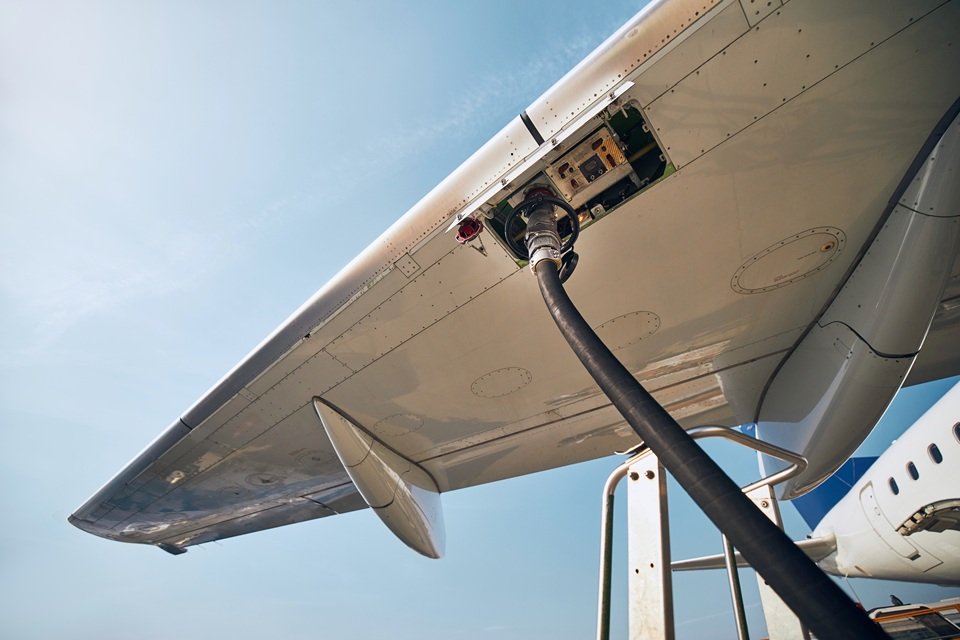
The drop-off in rates also came despite jet fuel prices surging as a result of the escalation of fighting between the US and Iran.
According to the IATA/Platts Jet Fuel Price Monitor, the average price of jet fuel in the last week of July was up 22.9% on June’s levels and 76.4% ahead of last year.
“Of course, jet fuel is not the only input into the running costs of an airline. There is also the very significant cost of acquiring or leasing the aircraft, as well as hiring the skilled personnel to run it, plus various other fixed costs,” wrote TAC editor Neil Wilson in his monthly Baltic Exchange newsletter column.
“But jet fuel is certainly a key input, typically accounting for one-third or more of a carrier’s total expenses.
“So why did air freight rates not rise in July as they had done so spectacularly in March after the US and Israel first launched air strikes against Iran?
“Sources pointed to a number of factors, including the fact that we were now entering the summer or ‘low season’ when there is usually a lull in air cargo rates.
“That often occurs when the summer holidays start, with more passenger traffic, which may increase demand for jet fuel. But it also adds extra bellyhold capacity, particularly on certain lanes, such as transatlantic routes.”
He added that carriers were also better prepared for fuel shocks this time round and had increased their use of hedging and had secured jet fuel supply further forward.
Wilson added that the European Union’s addition of a €3 customs duty on low-value parcels imported from outside the bloc had affected e-commerce demand into the EU.
The development is reflected in a drop-off in prices on services from Hong Kong to Europe, where average rates – a combination of both spot and contract – declined to $4.76 per kg from $5.45 per kg in June.
Compared with last year, rates on the trade were up 8.4% year on year, which is down on the 25% year-on-year improvement registered in June.
By the end of the month, average rates on the trade lane were only 1.6% ahead of last year.
The fall in rates to Europe came despite reductions in capacity on Asia-Europe lanes, sources suggested, with some freighters withdrawn for maintenance and others redeployed to other lanes, according to Wilson.
Meanwhile, rates on services from Hong Kong to North America fell to $6.69 per kg in July from $7.71 per kg in June.
Compared with last year, rates on the trade lane are up by 36.2% compared with a year ago.
