


A new report has found that the ancillary revenues being generated by airlines are exceeding overall airline revenues. The figures from 58 airlines were assessed for the report, with a key finding being that total ancillary revenue increased 13.4% in 2025, compared with a 7.2% increase in total revenue – nearly double.
The report also shows that 30 of the 58 airlines assessed generated at least US$1 billion in ancillary revenue in 2025, which is up from 27 airlines in 2024.
The report is the 2026 Yearbook of Ancillary Revenue, created by IdeaWorksCompany, a US-based consultancy specialised in ancillary revenue. The company has shared further findings from its research relating to the performance of individual airlines during 2025.
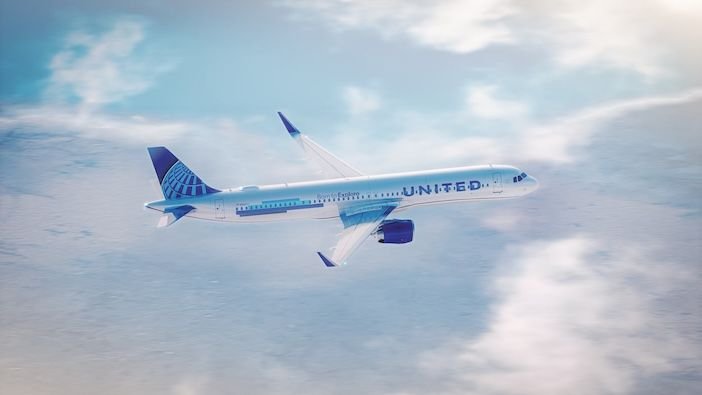
United Airlines was the leading airline in the world in terms of total ancillary revenue. The Chicago-based carrier’s 2025 result was $11.5 billion, which is 9.3% higher than its 2024 figure.
Frontier Airlines, the Denver, USA-based ultra-low-cost carrier, led the world in terms of its ancillary revenue as a share of total revenue. Ancillary revenues accounted for 60.2% of the airline’s total revenue.
Jet2.com, the UK-based low-cost airline, achieved a new record in IdeaWorksCompany’s data for ancillary revenue per passenger. The airline generated US$100.73 per passenger.
Another interesting airline is Southwest Airlines, the Dallas, USA-based low-cost airline, with a per-passenger ancillary revenue result that increased nearly 20% to US$58.25 as it started charging fees for baggage and seat assignment midway through 2025.
Frequent flyer programmes also generated substantial revenue for the largest US airlines. American Airlines, Delta Air Lines, Southwest Airlines and United Airlines generated a combined US$27.9 billion from their frequent flyer programmes in 2025, which is equivalent to an average of US$37.72 per passenger.
Low-cost carriers lead the revenue rankings
The Yearbook’s ranking of airlines by ancillary revenue as a percentage of total revenue places low-cost carriers (LCCs) at the top. Their strong performance reflects their position as the world’s leading retailers of a la carte airline services, while loyalty revenue remains a relatively minor factor despite most LCCs offering frequent flyer programmes.
(Note that Spirit Airlines ceased operations in May 2026).
“Ancillary revenue gains over the past five years have been powered by the airline industry’s embrace of seat assignment fees and greater reliance on branded fares,” said Jay Sorensen, president of IdeaWorksCompany and author of the report.
“Ancillary revenue has demonstrated remarkable durability in both good times and bad. It has adjusted reliably to economic challenges, often more effectively than passenger fares, which truly makes it an economic miracle for the airline industry.”
The 110-page yearbook is available to download free of charge.
