


Developing air medical transport infrastructure involves more than constructing a new hangar. It requires a coordinated understanding of flight operations, airport development, healthcare systems, and construction. SME Aviation brings those disciplines together to help flight programs plan, finance, and develop facilities that support safe, efficient operations.
“Our goal is to be a trusted infrastructure partner for air medical operators and programs across the United States,” said Kimberly Guzan, who co-founded and owns SME Aviation with Rich Guzan. “We’re committed to helping organizations make informed infrastructure decisions that support both their operational needs today and their long-term goals.”
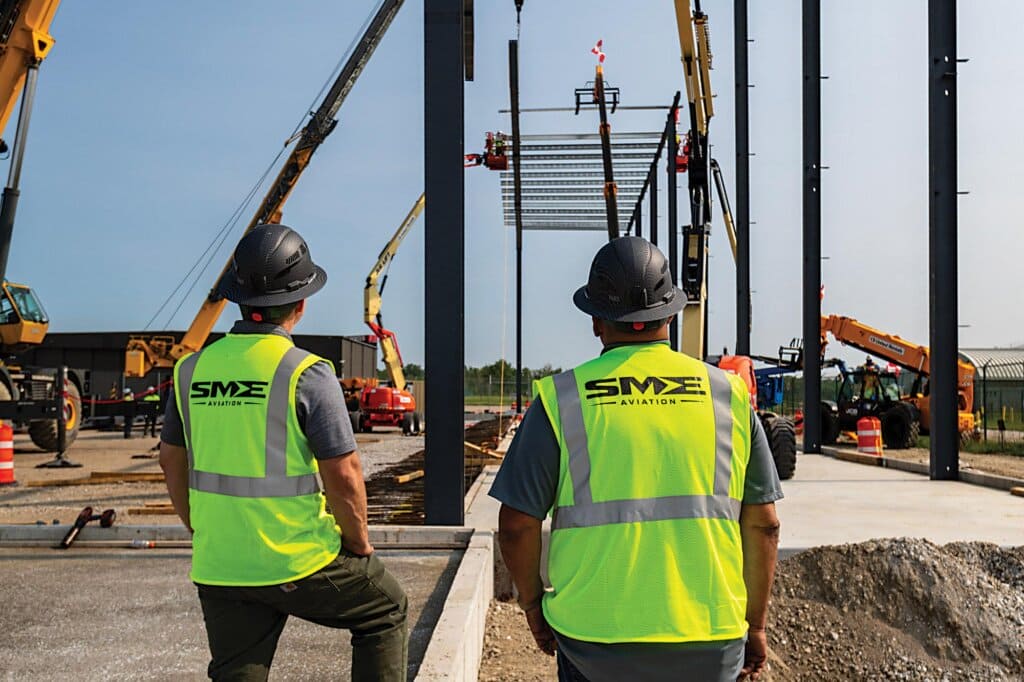
With air medical projects spanning seven states, SME Aviation understands how operational requirements, airport conditions, permitting, and regional factors influence the planning and construction of air medical bases.
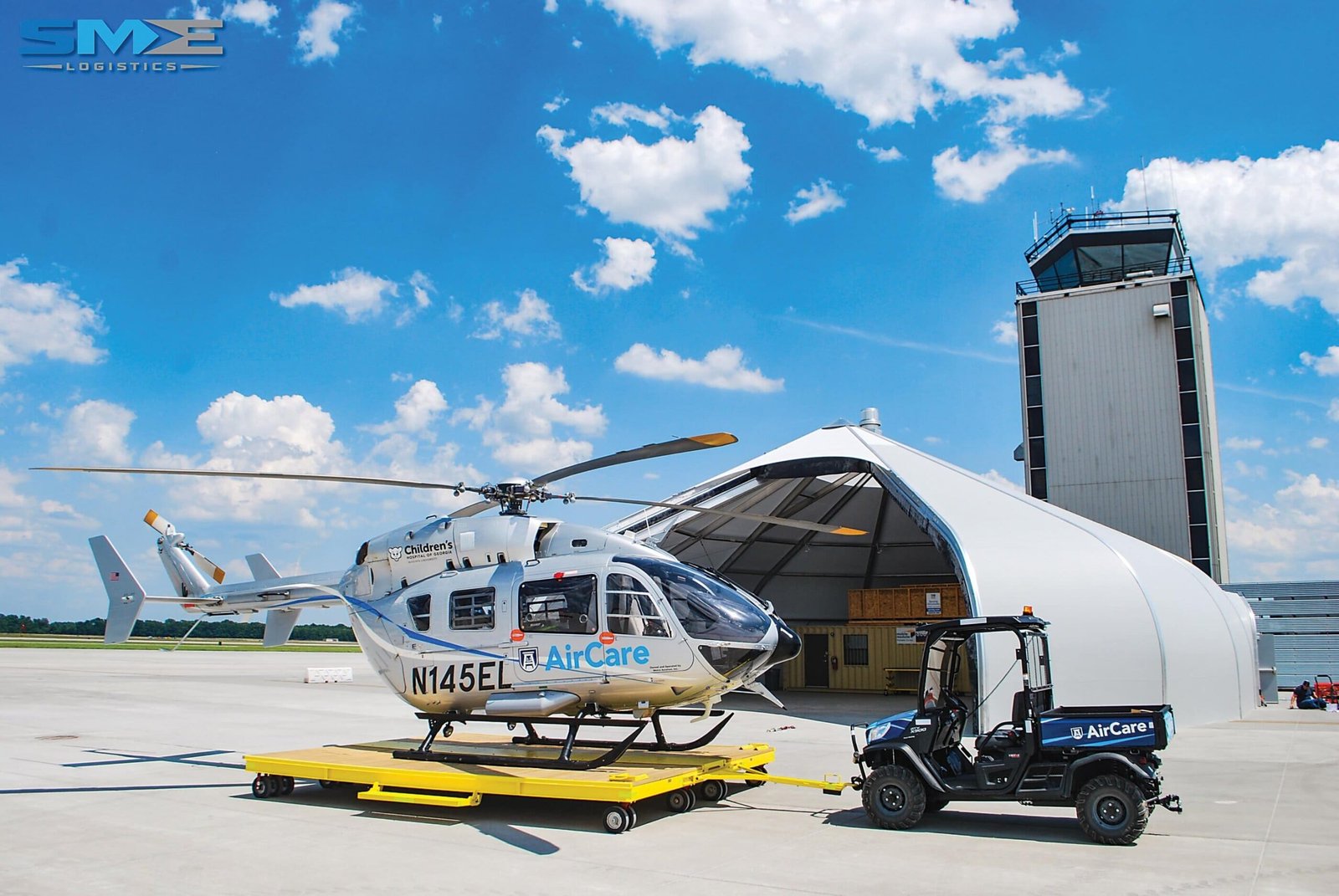
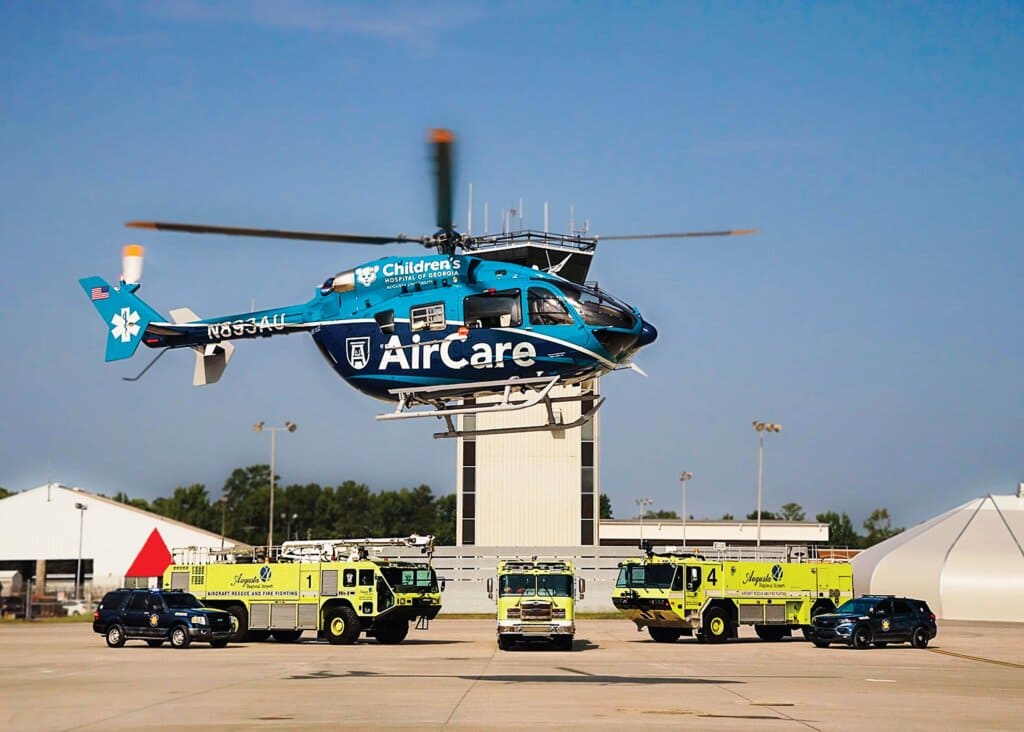
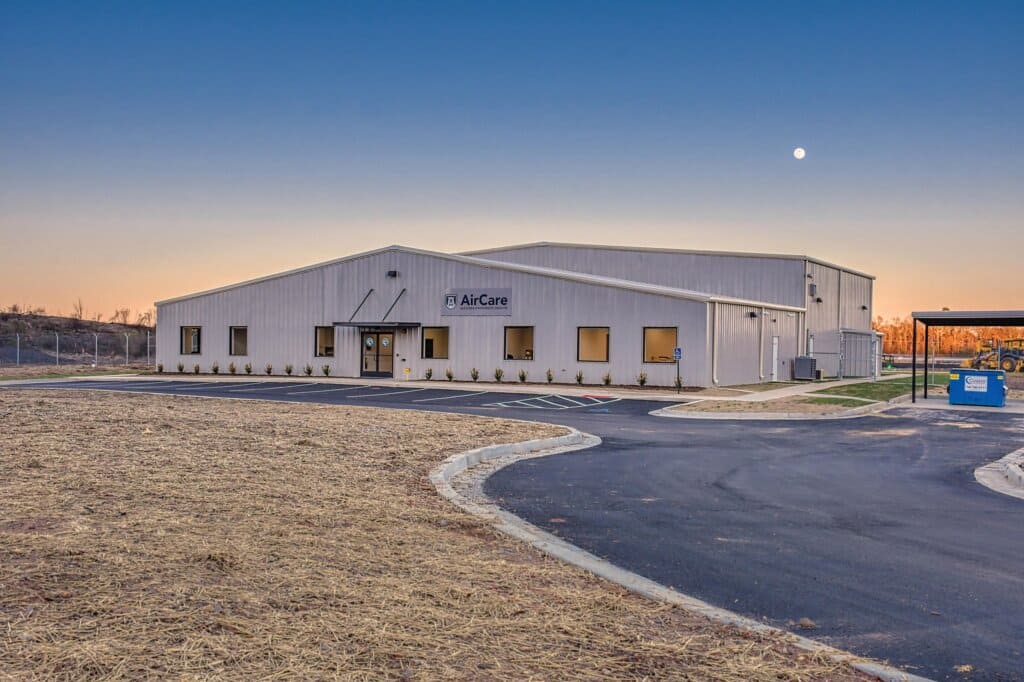
For example, SME Aviation partnered with Augusta University Health (AU Health) to develop a 2-acre (0.8-hectare) site into a dedicated campus supporting critical care transport throughout Georgia and South Carolina. The company guided the design and construction of a 12,000-square-foot (1,115-square-meter) headquarters with a hangar, administrative offices, flight and medical crew quarters, training rooms, and aircraft maintenance facilities.
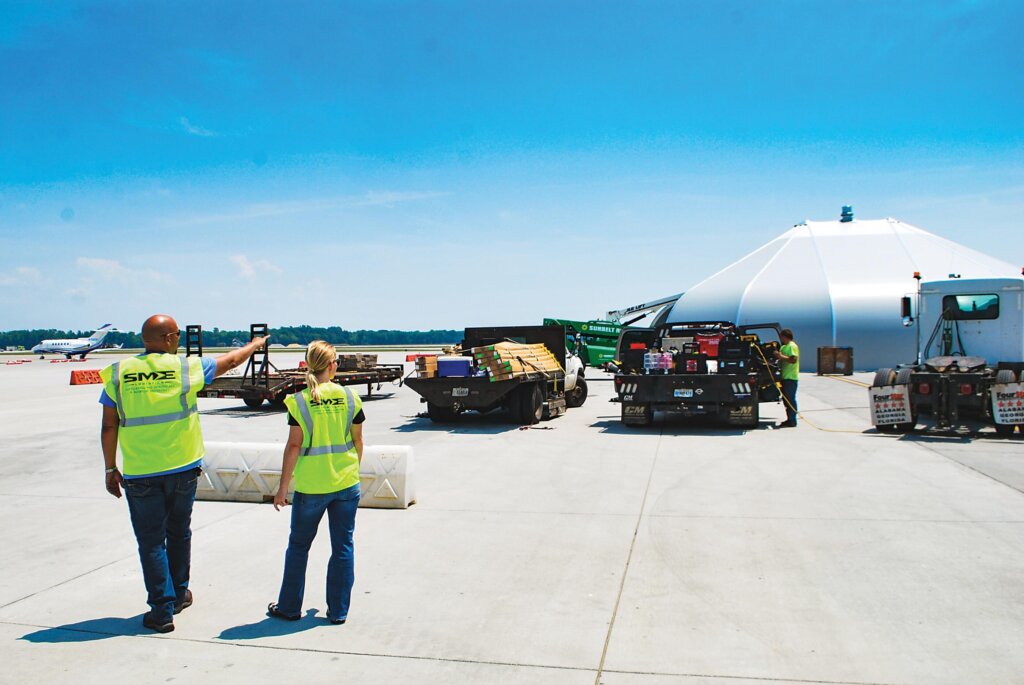
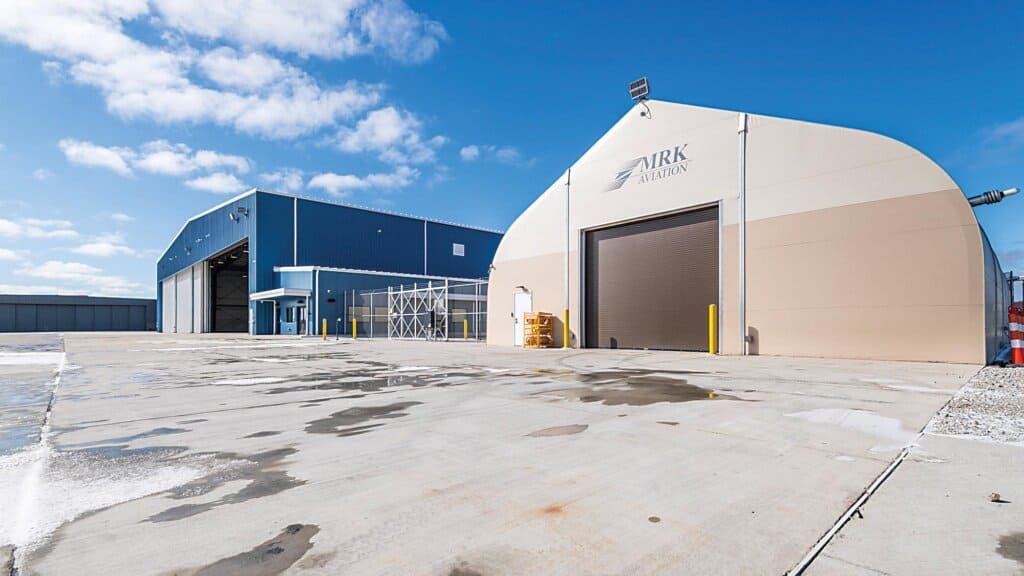
Air medical programs cannot begin flying missions until a functional base is in place. Delays can result in significant unrecoverable costs. To address this challenge for AU Health, SME Aviation developed an 8,000-sq.-ft. (743-sq.-m) temporary operating base that allowed the program to begin flight operations on schedule.
The same strategy was applied for UW Medicine Airlift Northwest in Davenport, Washington, where temporary crew, maintenance, and medical supply facilities positioned the program to be flight-ready within about a month of contract execution.
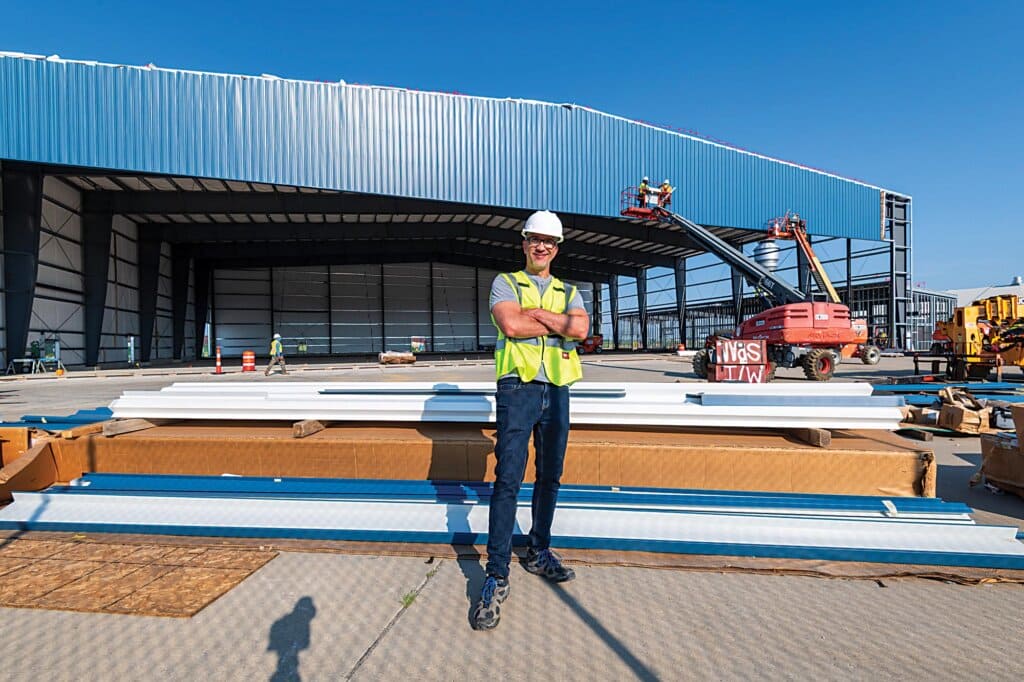
The permanent Airlift Northwest campus occupied a 2.5-acre (1-ha) site with a taxiway, heliport, and supporting infrastructure. The project included a 9,000-sq.-ft (836-sq.-m) hangar with integrated maintenance space, separate 2,000-sq.-ft. (186-sq.-m) crew quarters, and a secured medical supply area supporting around-the-clock operations. Despite challenging weather conditions, the project was completed on schedule.
“Working as the director of operations and a clinician in air medical transport gave me a clear understanding of the challenges programs face,” said Rich.
“Rather than making construction our sole focus, we develop solutions that allow flight programs to overcome these challenges, including temporary bases that accelerate program startup and financing options that give hospitals and operators greater flexibility to grow.”
From the start, Rich’s operational perspective influenced the services the company chose to develop. Recognizing that aircraft and crews are often secured before a permanent base is complete, SME developed rapid-deployment temporary base solutions that allow flight operations to begin while permanent facilities are under construction. Temporary crew quarters, maintenance space, medical supply storage, and supporting infrastructure help programs avoid costly delays and begin flying sooner.
The same philosophy led SME Aviation to develop leasing and financing options that give hospitals and flight programs greater flexibility to respond to growth opportunities without waiting for capital budget cycles while preserving resources for patient care, staffing, and other mission-critical priorities.
Before co-founding SME Aviation in 2018, Kimberly built her career as a research and development engineer, translating complex scientific concepts into practical applications. Her analytical approach guides the company’s strategic planning, business development, marketing, and project management, helping address operational challenges and provide practical infrastructure solutions.
Rich joined SME Aviation in 2019 after careers in air medical transport and construction. As a critical care flight paramedic and director of operations at Carolina Air Care, he also owned and operated a construction company. That combination continues to shape SME Aviation’s approach to specialized aviation facilities. Since joining the company, he has guided the planning, design, and construction of more than 120,000 sq. ft. (11,150 sq. m) of aviation facilities valued at more than $40 million.
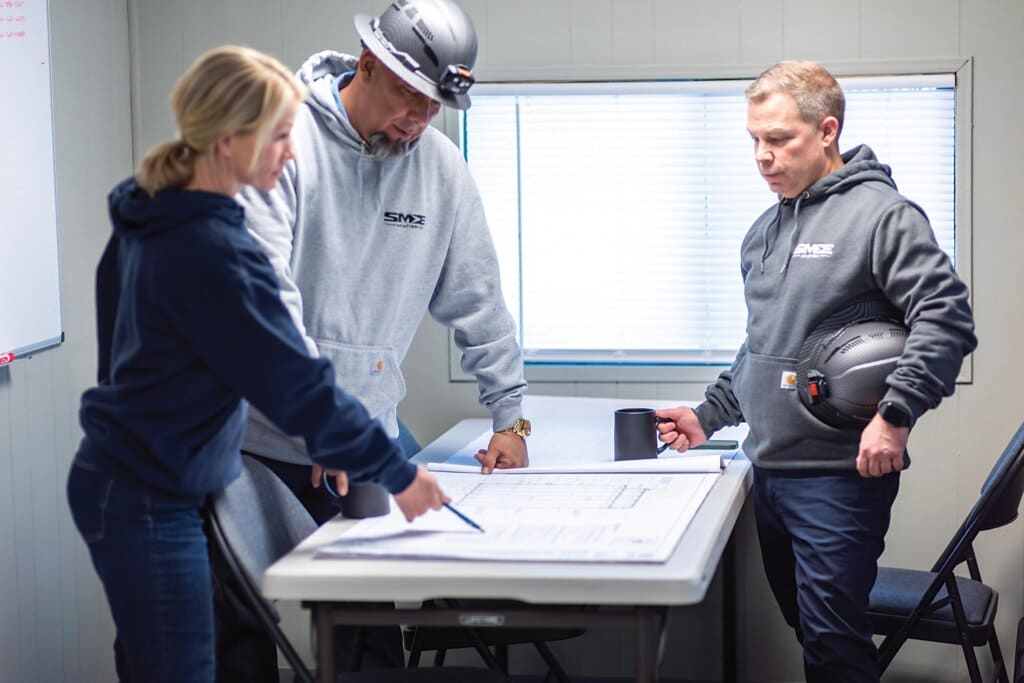
Today, SME Aviation is an agile team of eight professionals whose backgrounds span aviation operations, engineering, construction, project management, and business strategy. Together, they guide clients through every phase of a project, from planning and permitting, to financing and construction.
Air medical infrastructure projects require coordination among hospital leadership, flight program personnel, airport authorities, architects, engineers, contractors, financing partners, and numerous regulatory agencies, including the Federal Aviation Administration, Drug Enforcement Administration, Transportation Security Administration, Environmental Protection Agency, U.S. Marshals Service, state departments of transportation, and state and local permitting and fire authorities. Successfully navigating these organizations requires specialized knowledge of their roles, approval processes, and regulatory requirements. Missing any required approval or permit can result in redesigns, construction delays, fines, and operational setbacks.
Each facility that SME builds is designed around the program’s operational needs, from aircraft movement and crew workflow to maintenance, medical supply logistics, IT, security, and future growth. SME Aviation also helps clients evaluate ownership, leasing, and financing strategies while developing permanent and relocatable facilities that support immediate operations and long-term flexibility.
“SME Aviation was founded on the belief that air medical facilities should be designed around the crews and programs they serve,” said Rich. “Each project has expanded our understanding of what programs need to succeed. Today, we’re grateful to remain part of the air medical community, helping hospitals, providers, and flight crews make informed infrastructure decisions that strengthen their operations and support their mission for the long term.”
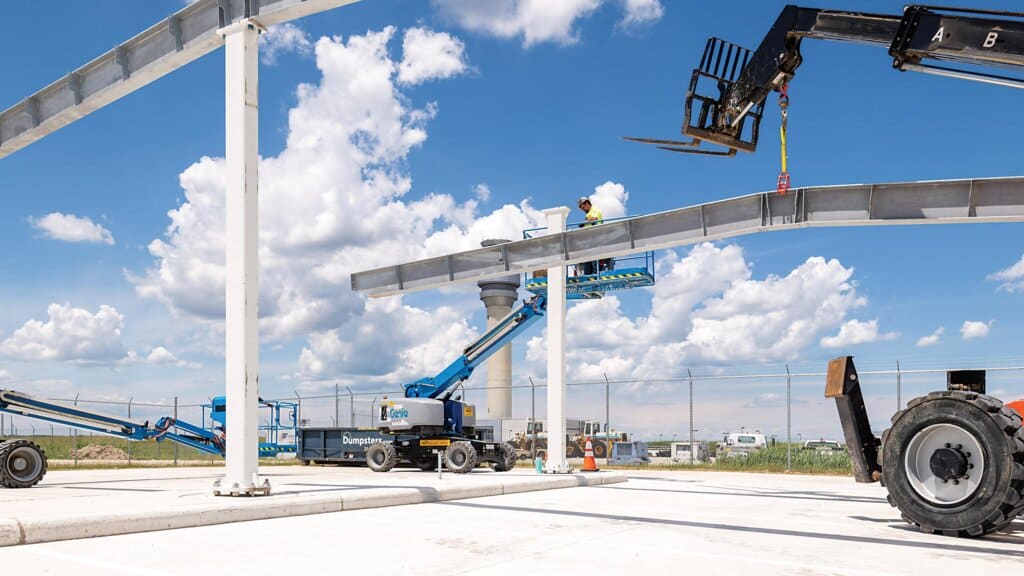
As the industry continues to evolve, SME Aviation remains committed to developing facilities and practical solutions that help air medical transport programs adapt, grow, and continue serving the communities that depend on them.
Learn more at smeaviation.com
