


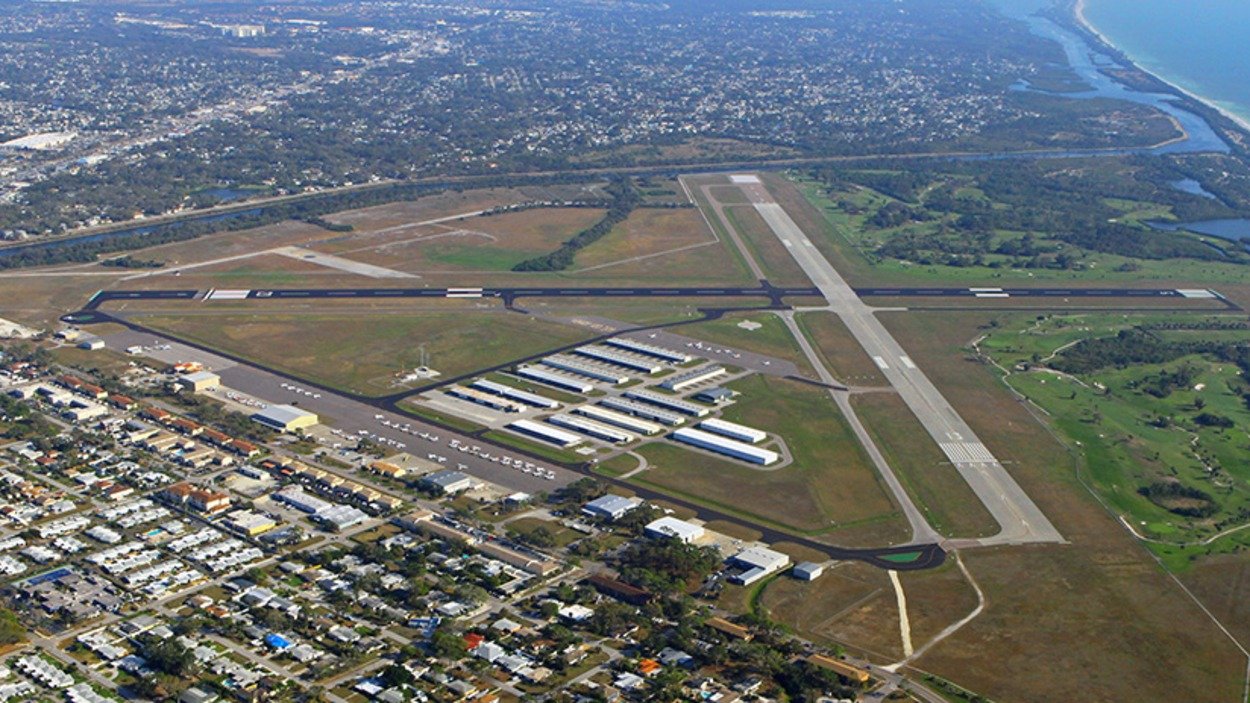
Owners based at Venice Municipal Airport (VNC) have enjoyed rates that haven’t budged since 2007. That’s about to change: the airport is considering substantial increases to hangar rents, tie-down fees, and fuel flowage charges.If approved, the changes would be phased in over three years beginning in 2027.The proposal would raise T-hangar rent by 53% to 147% and switch tie-down pricing to a wingspan-based structure rather than its current engine-based system, which would increase costs for larger aircraft.Airport officials argue the proposed increases are necessary because rates have not been comprehensively adjusted in nearly two decades and now sit well below comparable Florida airports. The city claims the airport operates as a self-supporting enterprise fund and needs rate adjustments to maintain financial sustainability. Tenants are arguing that the proposed increases are too aggressive and not justified by facility conditions or improvements.The most noteworthy change would be the switch to the wingspan-based tie-down structure. Historically, many airports focused tie-down pricing on engine count or broad aircraft categories. A wingspan model aligns pricing more closely with the actual amount of space an aircraft occupies. While that may make financial sense from an airport-management perspective, it also means the largest aircraft absorb much larger increases than smaller aircraft.Hangar shortages are already a national problem. As demand for hangar space continues to outpace supply, some airports have responded through expansion, higher rates, or both. Venice checks all boxes with plans for new hangars and expanded taxiways in addition to the higher rent for existing tenants.Why it mattersThe Venice proposal highlights a broader shift in how airports value their limited space. As hangars, ramp areas and tie-down locations become harder to expand, airports are increasingly looking for pricing models that reflect how much infrastructure each aircraft uses. For owners, that means the cost of basing an aircraft may become a more significant factor in ownership decisions. In that environment, airport space itself is increasingly becoming a premium aviation asset.
Trending
- Flughafen Boston bittet Airlines wegen Treibstoffengpass um Tankering
- Sowjetisches Projekt „Sweno“: Der fliegende Flugzeugträger aus Russland
- SF Airlines adds Singapore flight as it expands at its first overseas hub
- How Does The Simple Flying Flight Tracker Actually Know Where A Plane Is?
- Venice Municipal Airport could raise hangar rents by up to 147%
- Manna seeks Tulsa-based permissions manager as it expands US operations
- APOD: 2026 September 27 – Andromeda Before and After Photoshop
- Canada Sets Framework For GlobalEye Talks With Saab
