


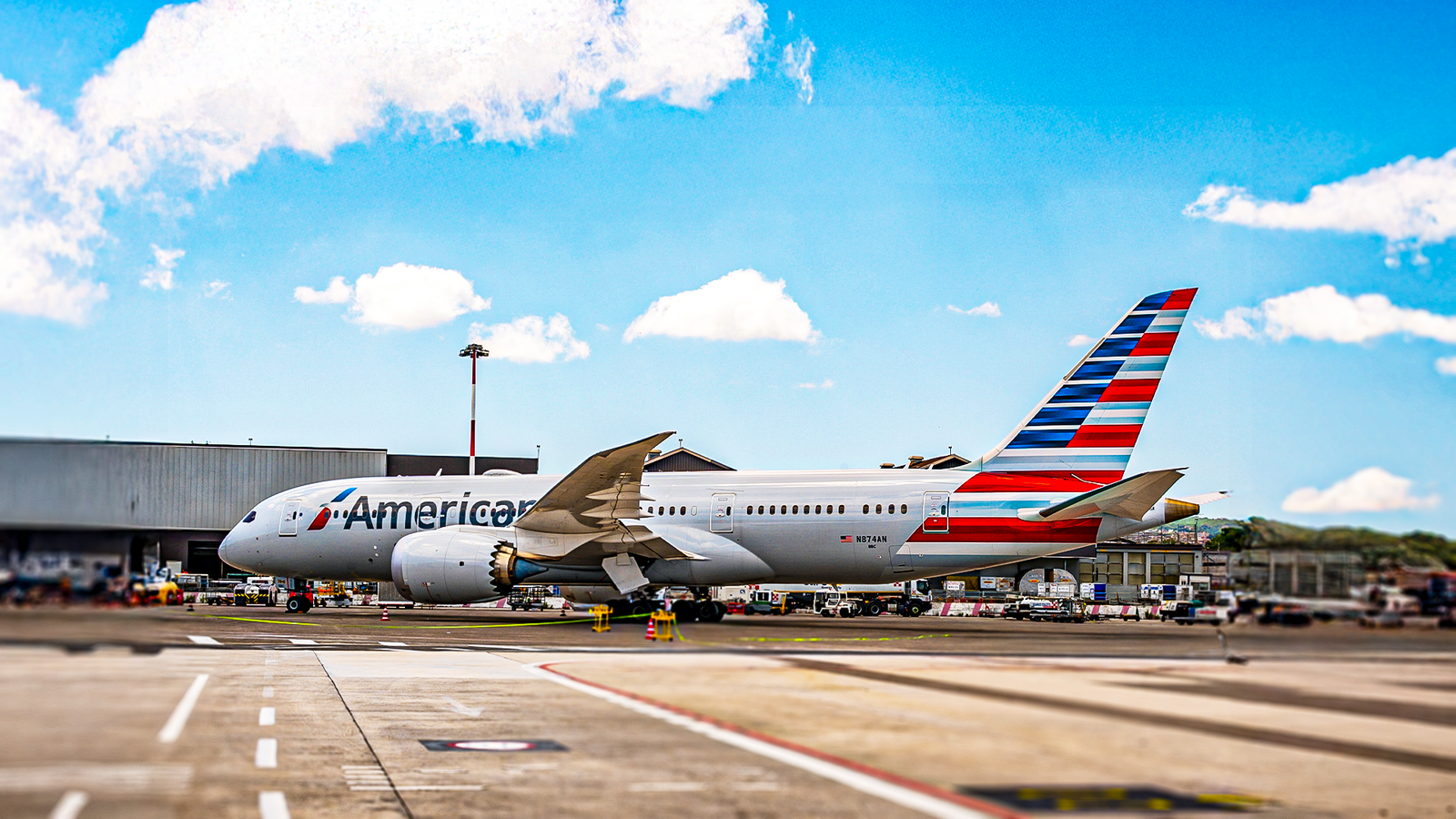
October marks a huge moment for the Boeing 787 Dreamliner fleet, as it enters its structural-maturity phase. The Federal Aviation Administration (FAA) Airworthiness Directive 2026-17-02 formalizes Boeing’s voluntary August 2025 alert requirements bulletin, making recommended factory checks on targeted 787-8, 787-9, and 787-10 aircraft legally binding inspection routines for operators worldwide.
The engineering issue stems from early manufacturing methods involving excessive shim gaps and high pull-up forces during wing assembly. If left unmonitored over tens of thousands of flight hours, these stresses could seed fatigue cracks in wing structures, potentially compromising their ability to carry limit loads. To prevent undetected structural degradation, regulators mandated repetitive ultrasonic and detailed visual inspections on key wing joints.
An Unreliable Technique
Early 787 wing assembly relied on legacy shim measurement techniques that failed to detect minor gaps between components. As detailed by rakkun_aviation, tightening fasteners across these gaps applied excessive pull-up forces, trapping static preload stress within the structural joints. Over time, these locked-in forces increase fatigue cracking risks under aerodynamic flight loads to areas like wing splice plates, front and rear spar terminal fittings, lower skin chords, and jack pads.
Reporting from Venture Atlas confirms that  Boeing identified the outdated shim measurement process in 2019 and revised factory assembly protocols. However, early-build Dreamliners still have these internal preloads. Technical coverage from Airgways highlights that unmonitored residual stresses could seed micro-cracks across thousands of flight hours. Left unchecked, progressive fatigue cracking could degrade the wing box, eventually preventing the main structure from sustaining required limit loads during significant atmospheric turbulence.
Despite these long-term fatigue risks, regulators and Boeing still consider affected airframes safe to continue operating. Structural fatigue in heavy metal fittings accumulates gradually, so repetitive non-destructive testing provides a reliable buffer. Mandatory ultrasonic scans and visual inspections allow engineers to detect microscopic surface cracking early so that airlines can continue operating on routine passenger schedules while managing early production legacy issues.
What Are The New Regulations?

FAA Airworthiness Directive 2026-17-02 formalizes Boeing Alert Requirements Bulletin B787-81205-SB570048-00 RB into a binding regulatory mandate. As reported by ch-aviation, the order targets 17 US-registered aircraft and between 77 and 94 airframes globally. This total is just a narrow subset of a global Dreamliner fleet exceeding 1,100 active jets. Effective October 1, 2026, the directive requires operators to begin mandatory ultrasonic and detailed visual inspections of primary wing splice joints.
Fleet distribution data cited by ch-aviation shows that early-production 787-8s make up most affected airframes. The requirements bulletin encompasses 49 787-8s, 27 787-9s, and one 787-10 worldwide. Because Boeing corrected its factory shim measurement protocols in 2019, subsequent deliveries across all three variants remain exempt from the directive.
Operator | Number Of Affected Airframes | Fleet Focus and Primary Route Impact |
Air India | 9 aircraft | Core early 787-8 fleet operating long-haul international routes |
American Airlines | 7 aircraft | Early-build 787-8 jets deployed across transatlantic and Latin American sectors |
Qatar Airways | 7 aircraft | Long-haul Middle East hub operations across varied stage lengths |
United Airlines | 7 aircraft | Intercontinental 787-8 airframes serving transpacific and transatlantic routes |
Other Global Airlines | 47 to 64 aircraft | Early-production Dreamliners distributed across international adopters |
Total Fleet Impact | 77 to 94 aircraft | Narrow subset of 1,100+ active global 787s (17 US-registered) |
According to reporting from Live and Let’s Fly, the global inspection burden concentrates across four major international carriers.  Air India leads global operators with nine affected airframes, while
  American Airlines,
  Qatar Airways, and
  United Airlines each operate seven impacted jets. For these long-haul network airlines, integrating repetitive non-destructive testing into routine maintenance checks can easily cause disruptive out-of-service periods, so these checks need careful management.
The Flight Length Formula

Traditional airframe maintenance typically uses fixed flight hours or landing cycles to dictate structural inspection intervals. However, as explained in technical analysis from rakkun_aviation, fatigue accumulation on the affected 787 wing splice plates depends directly on average stage length. Aircraft flying ultra-long-haul sectors endure continuous aerodynamic bending loads over ten to 15 hours, whereas short-haul airframes undergo frequent ground-air-ground pressure cycles relative to flight hours. The key point is that structural stress varies significantly across flight profiles, so standard fixed thresholds fail to accurately predict when fatigue cracks might initiate.
To address this variable fatigue accumulation, FAA AD 2026-17-02 mandates a tracking equation rather than a static calendar or hour limit. According to Aerospace Global News, the formula calculates specific inspection intervals using the ratio of flight hours to flight cycles for each airframe. Flying a Dreamliner on long intercontinental routes results in a different inspection threshold than operating the same jet on shorter regional sectors. The equation-driven method ensures that high-stress, long-duration flight profiles trigger non-destructive testing before preloads induce structural fatigue.
Maintenance Attribute | Legacy Fixed-Interval Model | FAA AD 2026-17-02 Equation Model |
Primary Tracking Metric | Static Flight Hours (FH) or Flight Cycles (FC) | Dynamic Ratio of Flight Hours to Flight Cycles (FH/FC) |
Operational Sensitivity | Assumes uniform wear regardless of route length | Accounts for continuous aerodynamic bending on long-haul sectors |
Inspection Trigger | Fixed thresholds (e.g., rigid hour/cycle caps) | Variable threshold calculated per individual airframe stage length |
Software Compatibility | Natively supported by older airline fleet IT | Requires custom algorithms or manual engineering calculations |
Fatigue Focus | Standard cyclic pressure and landing fatigue | Micro-crack initiation from trapped manufacturing preloads |
Overall, the flight-length sensitivity is a crucial evolution in monitoring composite and metal structural interfaces. Now that inspection intervals are tied to operational realities, regulators know that airlines will inspect early-production Dreamliners based on calculated structural wear rather than arbitrary fleet averages. However, substituting traditional fixed-hour limits with a dynamic mathematical formula is not a straightforward change.
American’s Objection To The FAA

According toLive and Let’s Fly, American formally objected to the FAA’s tracking methodology before the final directive took effect. Operating seven affected 787-8 airframes, the carrier revealed that its automated maintenance tracking software cannot process variable equation thresholds. American asked regulators to replace the formula with a simplified fixed flight-hour or cycle limit, arguing that static numbers are necessary to maintain compliance within its automated fleet management systems.
The FAA rejected American’s request to simplify the mandate, affirming that fixed operational limits cannot adequately manage flight-length-sensitive structural fatigue. Regulators deemed equation-based tracking essential to prevent either premature maintenance or undetected fatigue accumulation on long-haul sectors. Consequently, operators need to adapt their internal engineering workflows to support variable tracking equations for each affected airframe.
This regulatory rejection is just one piece of a growing tension between dated airline IT infrastructure and modern, data-driven airworthiness directives. Carriers must now manually calculate compliance or rebuild software algorithms to monitor designated tail numbers. For affected international airlines, accommodating bespoke tracking formulas is now a necessary operational adjustment to guarantee structural integrity across early-generation Dreamliners.
Not The Worst News For Operators

Financial figures published by Hoodline place the total compliance cost for the 17 US-registered Dreamliners at approximately $413,270. At the individual-aircraft level, this translates to a modest labor expense per inspection cycle and is not an overwhelming financial burden. Non-destructive ultrasonic testing does not need invasive structural disassembly, and so direct technical labor is the biggest recurring expenditure for operators.
The good news for airlines is that replacement hardware costs are estimated at zero dollars, because the root cause stems from early factory assembly discrepancies. Required replacement parts or structural shim kits are expected to fall under Boeing warranty coverage or manufacturer support agreements. This is a saving grace for airlines, as they can avoid heavy hardware expenses and limit the economic impact to internal inspection labor and scheduling logistics.
To cushion the operational impact, airlines are pacing these repetitive wing checks to coincide with scheduled heavy maintenance visits. Aligning ultrasonic scans with planned C-checks prevents unscheduled downtime for high-utilization long-haul jets and helps airlines maintain optimal utilization rates. Integrating equation-based inspection thresholds into routine maintenance windows offers real benefits, as operators can manage recurring inspection costs without compromising daily flight schedules across international networks.
A Clear Path Forward

Implementing Airworthiness Directive 2026-17-02 provides a realistic roadmap for managing first-generation composite airframes as they reach structural maturity. It could easily have been limited to stating a fundamental defect in carbon-fiber technology, but the mandate shows how early-era assembly-line tolerances interact with load-bearing aluminum and titanium fittings over multi-decade operational lifespans. It gives regulators and manufacturers a chance to adapt maintenance protocols to reflect the precise reality of long-haul airframe fatigue.
Dreamliners continue to form the backbone of international long-haul networks, and managing early manufacturing issues through data-driven inspection schedules helps maintain the high fleet safety standards Boeing needs right now. For airlines operating the affected 787-8, 787-9, and 787-10 aircraft, incorporating these equation-based ultrasonic checks into routine heavy maintenance visits turns a potential operational headache into a predictable, manageable routine that is, for the most part, easy to follow.
