


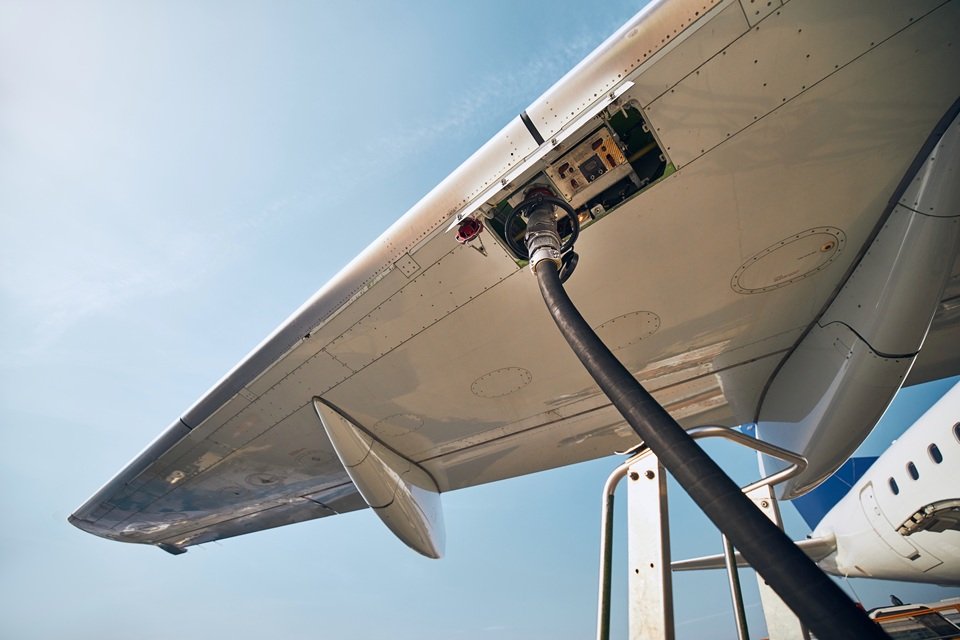
While jet fuel prices have remained a concern for the air cargo industry, there hasn’t been a shortage of fuel at any major airport hubs that has curbed passenger or cargo operations, shows analysis from Cirium.
Mike Malik, chief industry officer at the aviation analytics company, said that predictions of airlines having to ground fleets and airports having to close because of fuel shortages have not materialised, although there have been some cases of smaller airports being greatly impacted.
Malik stressed that “since the Strait of Hormuz closed at the end of February, no major hub anywhere has run dry”.
He elaborated: “The warnings when Hormuz closed were of the whole system running dry, of grounded fleets and hub airports closing. That is not what happened. Nearly seven months on, the hubs are still operating. The fuel that went missing went missing from secondary locations. So, in summary the failure is real. It is just not the one that was forecast.”
One of the key issues is distribution of fuel. Malik stated that as well as moving fuel between countries, moving fuel within countries to fuel farms is more problematic as workers have less support to do so.
“Shortages hit the smallest airports first. That is why the affected list reads Brindisi, Pescara, Yangon and Tahiti rather than Heathrow, Frankfurt or Changi,” said Malik.
IATA’s analysis for August found that jet fuel prices rose by 8.3% month-on-month in August and were 79.2% higher than a year earlier.
Although jet fuel costs have broadly intensified cost and profit pressures for cargo operations and airlines continue to run fuel surcharges, cargo demand growth has been steady.
Total demand in August increased by 4.4% compared to August 2025. Year on year growth had eased in July, but was still up by 3.9%.
In comparison, year on year demand grew 8.5% in June, 6% in May, and 4% in April as it recovered from the disruption of the start of the Middle East conflict.
