


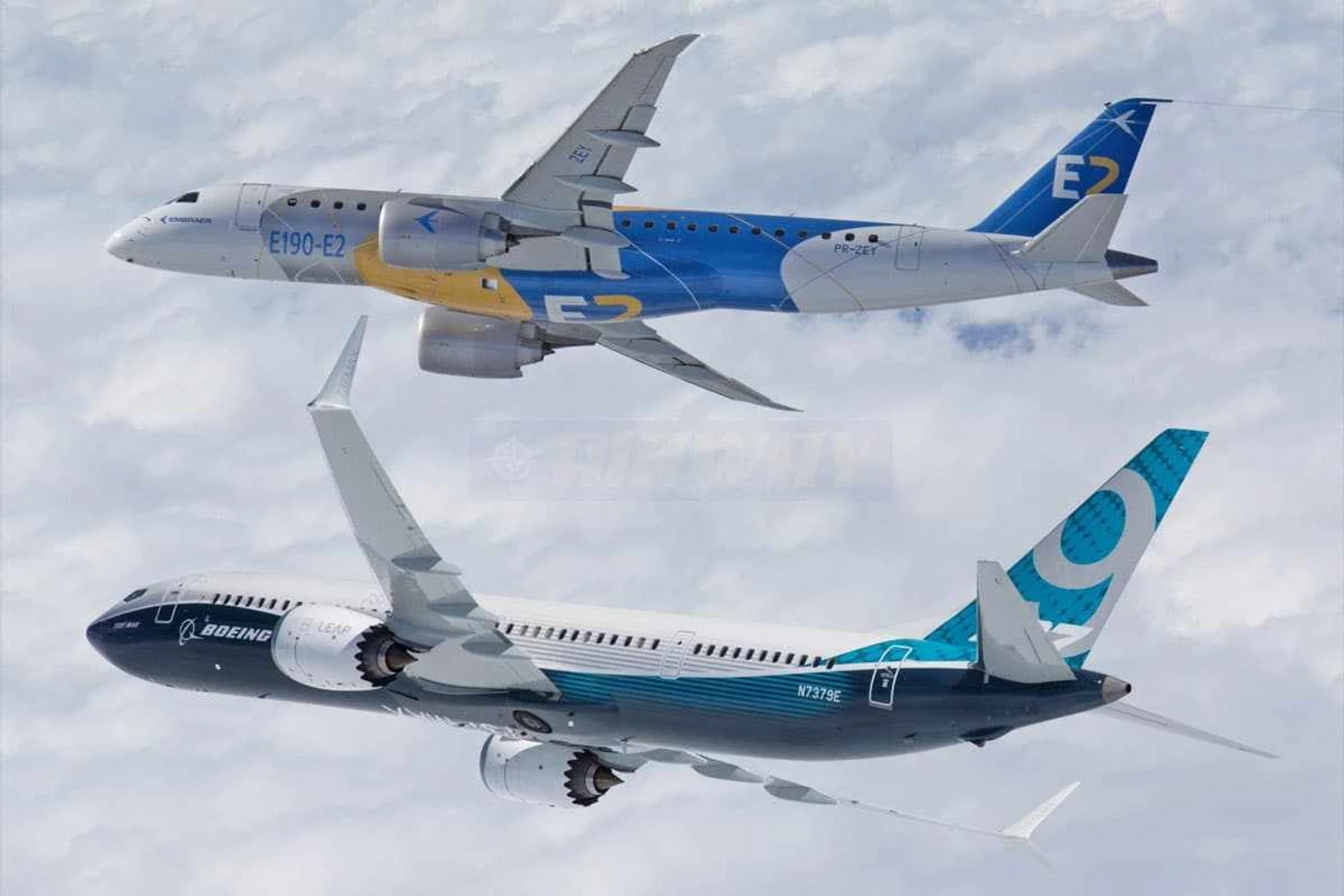
The collapse of the agreement that would have transferred control of Embraer’s commercial aviation business to Boeing ultimately had a positive outcome for the Brazilian manufacturer, according to Embraer Chief Executive Francisco Gomes Neto.
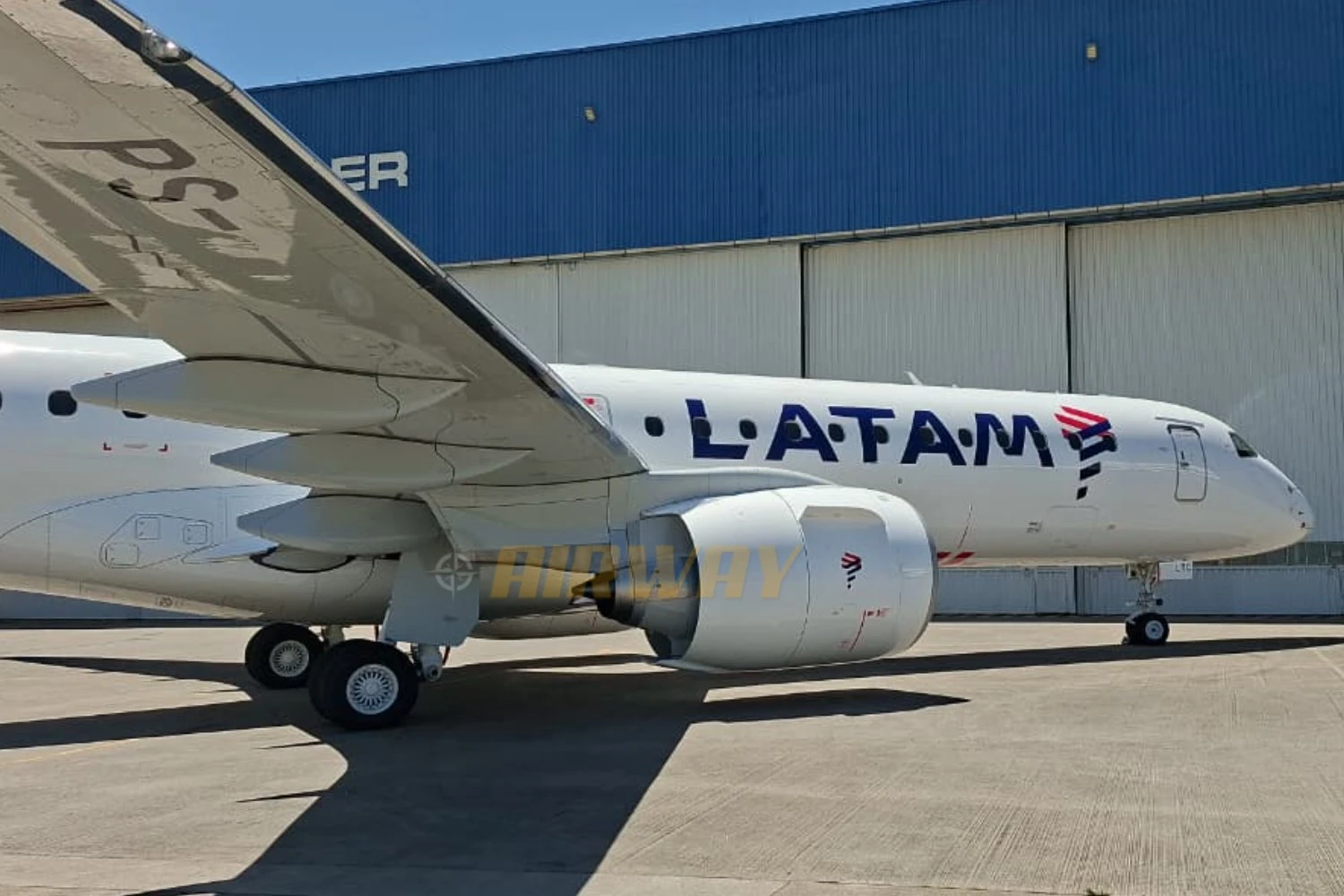
Speaking during the delivery of LATAM Airlines’ first E195-E2 in Brazil, Gomes Neto said the proposed transaction made sense when it was negotiated but was overtaken by problems at Boeing and the Covid-19 pandemic.
“That case is totally overcome,” the executive said. “In the end, it was positive for Embraer.”
Boeing agreed in 2018 to acquire an 80% stake in Embraer’s commercial aircraft business for US$4.2 billion. The US manufacturer terminated the agreement in April 2020, a decision that led to a dispute between the two companies.
Follow Air Data News: WhatsApp | Instagram | LinkedIn | Twitter | Facebook
More than six years later, Gomes Neto argues that Embraer emerged from the episode as a stronger independent company. He said revenue has increased by nearly US$1 billion a year since 2022. Embraer reported revenue of US$7.4 billion in 2025 and expects the figure to approach US$8.5 billion in 2026.
The CEO also rejected the possibility of selling any of Embraer’s businesses. “There is no unit for sale. Quite the opposite: we are buying,” he said.
LATAM adds weight to E2 program
LATAM’s introduction of the E195-E2 gives Embraer one of Latin America’s largest airline groups as an operator of its latest generation of commercial jets.
Gomes Neto said the importance of the deal extends beyond the Brazilian market because LATAM can demonstrate the aircraft’s ability to open new routes and increase frequencies across a large network.
Embraer has around 25 E2 customers and approximately 500 orders for the family across five continents. The addition of new operators also helps the company spread the program’s fixed costs across a larger number of aircraft.
The figures show that the E2 is gaining scale, although its production remains modest compared with the volumes reached by the largest single-aisle programs. Embraer expects to deliver between 80 and 85 commercial aircraft in 2026, including both E1 and E2 jets.
Supply-chain constraints remain one of the main obstacles to increasing production. Gomes Neto said conditions have improved, but shortages of some components continue as aircraft manufacturers simultaneously increase output.
Embraer sees room for more E2 operators in Latin America
LATAM’s order also comes as Embraer seeks additional opportunities for the E2 in its home region.
Gomes Neto cited Mexico, Colombia, Argentina and the Caribbean among markets where Embraer sees opportunities, particularly for airlines seeking to replace older aircraft or add capacity without moving directly to larger narrowbody jets.
Those opportunities have yet to translate into orders in several of these markets, however. Embraer’s challenge is to convert the E2’s growing operator base into a sustained increase in production and deliveries.
The company also sees institutional support from the Brazilian government as important in that effort. Gomes Neto said Embraer does not need subsidies or direct financial support, but rather government-to-government engagement and financing mechanisms that can help introduce its products in foreign markets.
He cited the role of BNDES, the Brazilian development bank, and diplomatic support in international sales campaigns. Such backing is particularly relevant when Embraer competes against manufacturers that can rely on substantial support from their home governments.
The Brazilian government has traditionally played a visible role in military aircraft campaigns, including sales of the C-390 Millennium and A-29 Super Tucano. Its involvement in commercial aircraft campaigns has been less prominent, although Brazilian officials have publicly encouraged domestic airlines to purchase Embraer jets.
Gomes Neto also said international conflicts have accelerated discussions involving Embraer’s defense products. The company continues to expand sales campaigns for the C-390 and Super Tucano and its cooperation with Saab on the Gripen fighter program.
As for another commercial aircraft program beyond the E2 family, the CEO repeated that Embraer continues to evaluate future products but has not decided whether its next major development will be in commercial aviation, executive aviation or defense.
