


This article was updated on Wednesday, October 14, 2026, to include a response from SEA on taxi times and runway construction. It was originally published on Sunday, October 11, 2026.
A pilot at WestJet has voiced his frustration over ground delays at one of America’s busiest airports after his aircraft burned up to 800 pounds (362 kg) of fuel while waiting to depart Seattle-Tacoma International Airport (SEA). The WestJet captain was operating a flight from Seattle to Calgary International Airport (YYC) on Thursday, October 8, but was forced to taxi for over 30 minutes just to reach the runway.
Airlive reported the incident involving Canada’s second-largest airline, WestJet, after the pilot described significant delays on the short-haul service between Washington State and Alberta. The flight took off more than three hours after its scheduled departure time, although an SEA spokesperson told Simple Flying that taxiing didn’t cause the delay.
WestJet Flight Burns 800 Pounds Of Fuel Before Takeoff
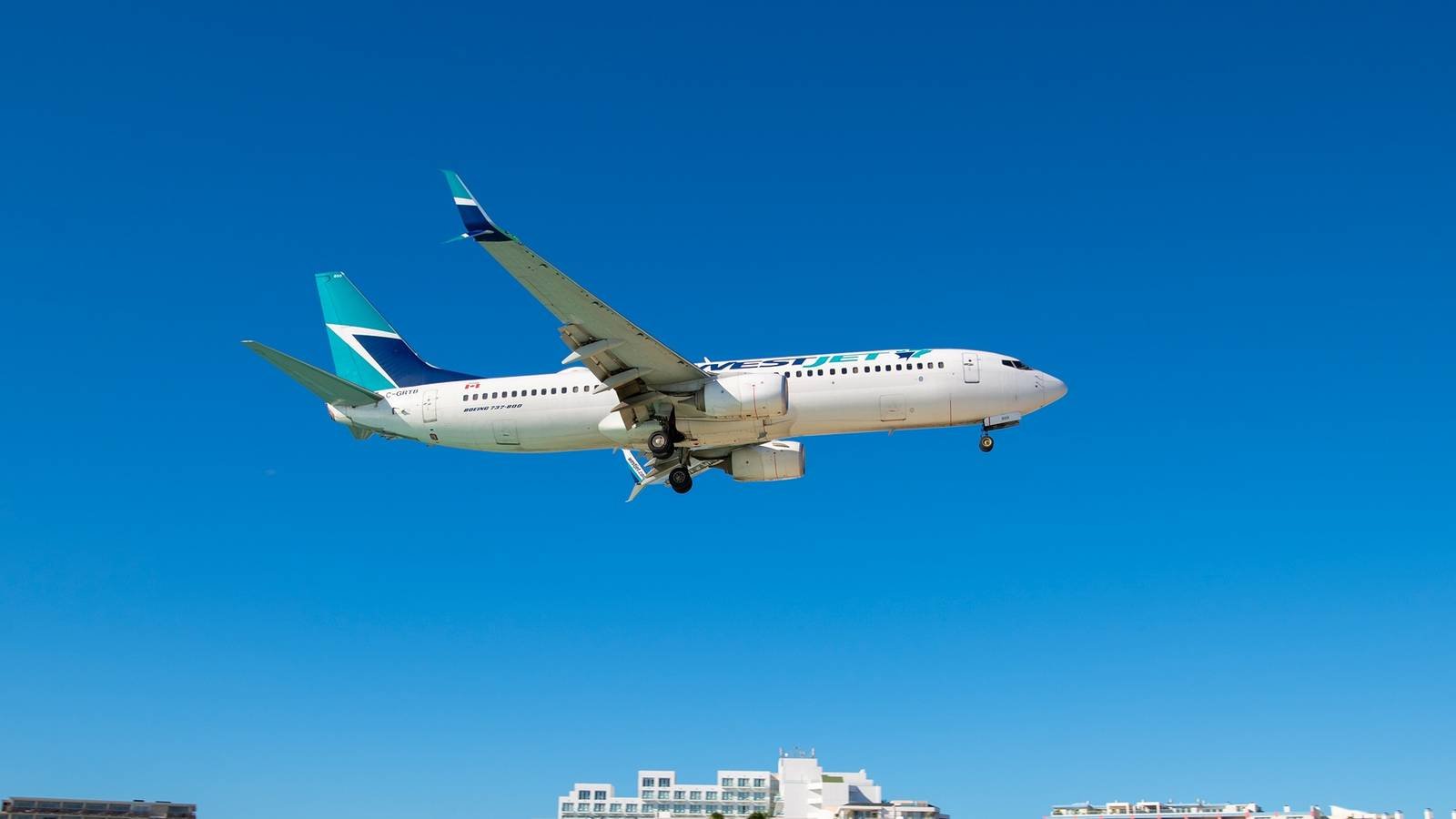
WestJet flight 1553 departed Seattle more than three hours behind schedule on Thursday, a delay that had already frustrated passengers. The Boeing 737-800 was forced to wait 32 minutes to navigate the congested taxiways before it was able to reach Runway 16L.
After the prolonged ground transit, the narrowbody twinjet had burned around 800 lbs of fuel just from idling and maneuvering on the ground, before it had even taken off. The pilot acknowledged that a half-hour taxi delay had become usual at Seattle, prompting him to request additional fuel over the standard planned quantity prior to departure.
This was undertaken as a precaution in case of excessive taxiing that would have otherwise seen the plane needing to potentially return to the gate to remain in the legal minimum takeoff fuel requirements.
WS1553 Departs After a Three-Hour Delay And 30 Minutes Of Taxiing

WS1553 is a scheduled daily service between Seattle and Calgary. The route is contested between Canadian carrier WestJet and Seattle-based  Alaska Airlines. On Thursday, October 8, the scheduled departure time of the flight, as per Simple Flying’s flight tracker, suggested the service should have departed at 10:30 AM local time. The service was delayed on departure and eventually pushed back from the gate at 1:03 PM.
Catch what other flight trackers miss
Emergency squawks, holds, NOTAMs — unique signals, live, no signup.
Open tracker
As noted by Airlive, the aircraft spent more than 30 minutes taxiing and maneuvering across the taxiways to reach its planned runway for departure. Once the aircraft was airborne, at 1:35 PM, it made the one-hour and 59-minute journey northeast, arriving into Alberta’s largest city, Calgary, at 4:02 PM.
The recent events for this WestJet flight highlight the ongoing concerns for ground congestion and taxi times at major US airports, and the pressures placed on airlines for operational costs, efficiency, and fuel management. The incident highlights the role airline crews play when anticipating potential ground delays, and the need to consider additional fuel to avoid gate returns or further disruption.
Construction Leaves SEA Operating On Two Runways

The long taxi times at Seattle have occurred during the closure of one of its three parallel runways. The airport’s center runway, 16C/34C, is out of service through November 15 for construction purposes. As such, airlines are restricted to operations on just two runways, with departing flights using Runway 16L/34R, while arriving aircraft use Runway 16R/34L.
The airport ranks as the 12th-busiest in the US by passenger numbers, typically handling around 1,300 to 1,500 arrivals and departures each day. Footfall at the airport has continued to grow year-on-year, with SEA handling a record 52.7 million passengers in 2025, around 2% more than its previous record of 51.8 million in 2019.
Airport Says Taxi Times Were Typical Despite Runway Construction

An SEA spokesperson told Simple Flying that the airport was experiencing typical taxiing times on that morning, recording average taxi times of 22.5 minutes during one hour and 24.8 minutes the following hour. It added that these times included foggy conditions in Seattle, which is a common occurrence in the city.
The airport also disputed that ongoing runway construction had significantly increased taxi times, claiming that the current construction period was chosen as traffic is lower than during the June-to-August peak season. It also stated that taxi time was not responsible for WS1553’s more-than-three-hour delay.
Canadian Destinations On Offer From Seattle

There are four airlines serving Seattle with Canadian destinations in their route map. Canadian carriers Air Canada and WestJet are by far the largest operators, followed by Alaska Airlines and  Delta Air Lines. Full details in the table below:
Destination Airport | Destination Airport IATA Code | Airline Operating From Seattle | Notes |
|---|---|---|---|
Calgary International Airport | YYC | Alaska Airlines, WestJet, WestJet Encore | |
Edmonton International Airport | YEG | Alaska Airlines | |
Kelowna International Airport | YLW | Alaska Airlines, WestJet Encore | WestJet Encore operated seasonally |
Montréal-Pierre Elliott Trudeau International Airport | YUL | Air Canada | Seasonal, resuming on May 1, 2027 |
Toronto Pearson International Airport | YYZ | Air Canada, Alaska Airlines | |
Vancouver International Airport | YVR | Air Canada Express, Alaska Airlines, Delta Connection | |
Victoria International Airport | YYJ | Alaska Airlines |
Vancouver is the busiest Canadian destination from the airport, with data from The Frequent Flyer suggesting that between July 2025 and June 2026 more than 624,000 passengers traveled between the two airports. The route sits third overall for all international routes from the airport, behind Taipei (778,000) and Seoul (631,000).
