


Pratt & Whitney parent underlines strong third-quarter performance.
US aerospace firm RTX is confident about the resilience of its commercial aviation business, despite the current challenges – notably fuel prices – being faced by airline customers.
RTX is the parent of Pratt & Whitney and Collins Aerospace, and chief executive Chris Calio stated during a third-quarter briefing that the company was “closely engaging” with airlines and assessing the impact of increased costs.
But he underlines RTX’s performance in the quarter, pointing out the company is “making progress” with key initiatives on its Pratt & Whitney GTF engine programme – including a 35% increase in PW1100G MRO output.
Aircraft-on-ground situations were “relatively stable” as this MRO output “largely offset” expected engine removals from the seasonally-high utilisation of fleets over the summer months.
Calio says the company continues to expect AOG reductions in the fourth quarter.
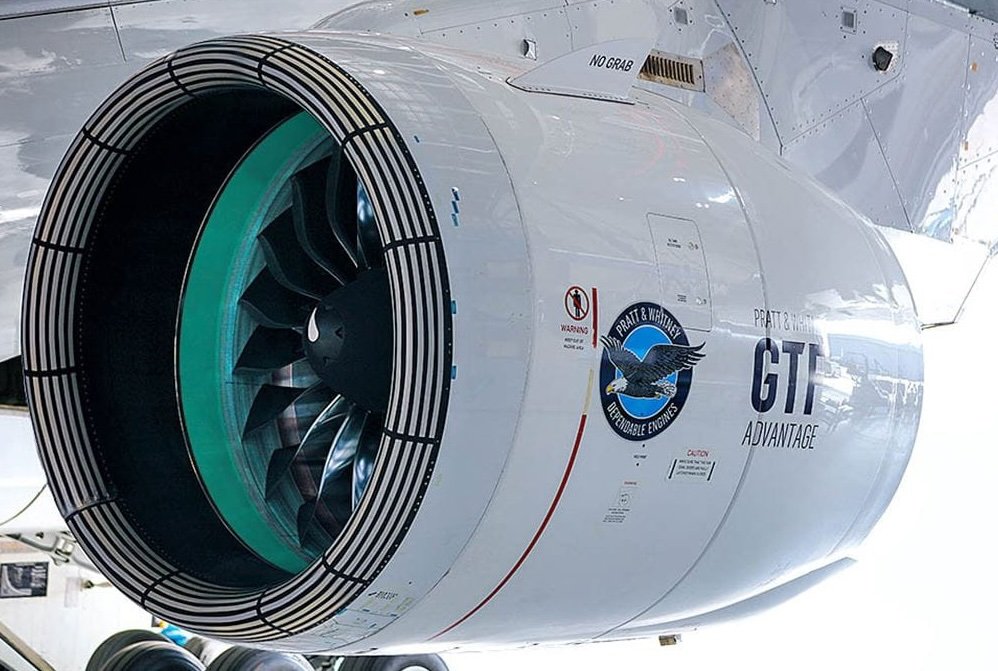
He highlights the delivery of the initial GTF Advantage engine to United Airlines, which will double time-on-wing performance, and adds that the company is “progressing” certification of the ‘HS+’ – or ‘Hot Section Plus’ – upgrade which will bring most of this time-on-wing benefit back to the installed engine base.
Pratt & Whitney has recorded over 800 orders and commitments for its GTF engine so far this year.
Deliveries of large Pratt & Whitney commercial aircraft engines were up slightly during the third quarter. The manufacturer handed over 269 engines in the three months to 30 September, against last year’s 266.
Pratt & Whitney sales rose by 10% for the quarter, to $9.2 billion, driven by a 21% increase in commercial aftermarket – partly offset by a 5% fall in commercial original equipment, due to large engine mix.
Pratt & Whitney’s operating profit for the period was down nearly 20%, to $608 million. But the company states that this includes a charge of $363 million related to a customer bankruptcy, and adjusted operating profit rose by 29%.
Third-quarter demand has been “resilient”, says Calio.
He says the company is monitoring the jet fuel situation, and other cost developments.
“But if you just step back for a minute, you just kind of let your mind linger past some of these near-term issues…there are really strong fundamentals that underpin our aftermarket growth,” he states.
“So we feel very good medium-, long-term about our commercial aftermarket position.”
The post RTX confident over business resilience despite airline cost pressures first appeared on FlightGlobal.
