


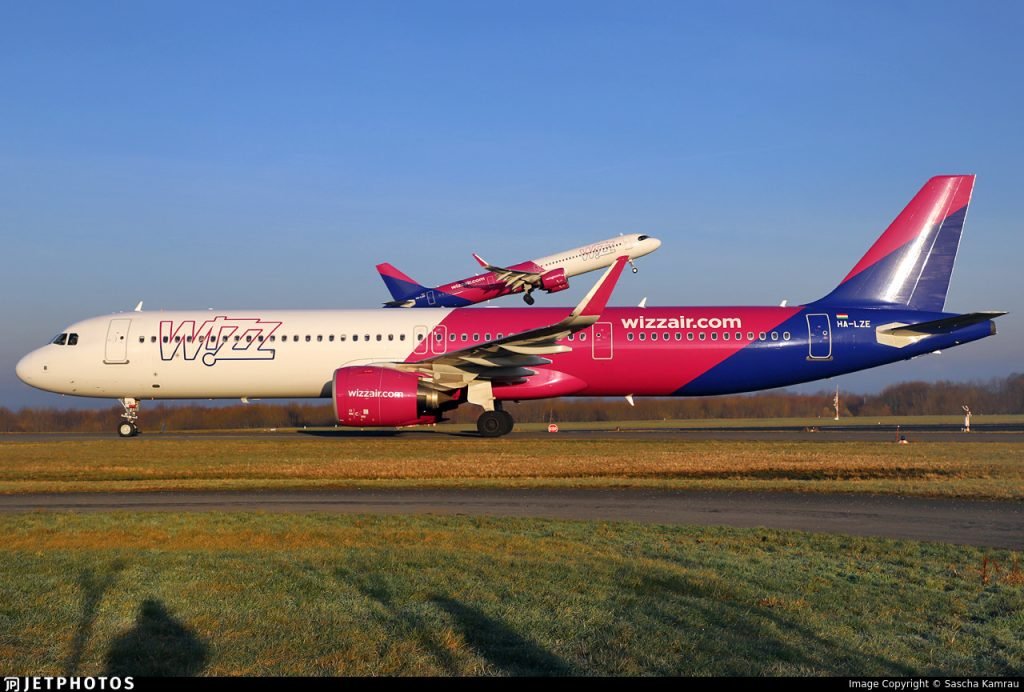
Threats to aviation security come in all shapes and sizes. While some may involve serious and immediate dangers, others can evolve around disruptive passengers or an unusual comment made during a flight.
The fall and winter of 2026 has seen a spate of security challenges for European aviation, and caused significant disruption to airline operations. But how do flight crews distinguish between a difficult passenger and a potential security threat? And what happens when a threat is made against an aircraft while it is in the air?
We spoke with pilots and operations professionals at European airlines to understand how flight crews approach security threats, the procedures they follow, and how decisions are made when the safety of everyone onboard could be at stake.
Threats affect European flights for a second day
How are pilots made aware of security threats?
There is no single way a flight crew might become aware of a security threat. Information can come from inside or outside the aircraft – from the cabin crew, passengers, the ground, or through air traffic control.
Onboard, the cabin crew are often the first to identify a potential problem. They might report a passenger making threatening remarks, behaving unusually, or drawing attention to a suspicious item. Passengers can also bring concerns directly to the cabin crew. From the flight deck, we rely on these reports to understand what is happening in the cabin, as we do not have a direct view of the entire passenger cabin.
Information on a threat can also originate outside the aircraft. An airline might receive a report from the authorities, airport security or another source on the ground. Air traffic control will pass relevant information to the aircraft, whether it is on the ground or airborne.
Pilots have different ways to communicate directly with their airline’s operational teams. Depending on the aircraft and operator, these typically include a dedicated company VHF radio frequency or ACARS, the aircraft’s digital messaging system. Such channels allow information to be exchanged between the flight deck and the airline operations team, which can in turn coordinate with relevant authorities.

The timing of a report makes a difference, too. A threat received before departure will be handled differently from one reported during a flight. If a security concern arises while the aircraft is still on the ground, the general principle is that it should not depart until the situation has been assessed and the appropriate action taken.
Whatever the source, the first priority is to establish what has happened and ensure that the information reaches the people responsible for dealing with it.
How do airlines define the threat?
Not every security concern represents the same level of danger. A disruptive passenger who is intoxicated or verbally aggressive presents a different set of considerations from someone making a specific threat against the aircraft or claiming to have placed a dangerous device onboard.
For unruly passenger incidents, the International Civil Aviation Organization (ICAO) has established a four-level framework to help classify the severity of behavior:
- Level 1: Disruptive behavior, including verbal threats.
- Level 2: Physically abusive behavior.
- Level 3: Life-threatening behavior, including the display of a weapon.
- Level 4: Attempted or actual breach of the flight crew compartment.
This gives crews, airlines and authorities a common framework to describe the seriousness of an unruly passenger incident. It is important to distinguish this from the separate assessment used for other security threats, such as suspicious items, bomb threats or claims of a device onboard.
Threats relating to explosive devices, for example, can arrive in several different ways. A threat might be communicated verbally by a passenger, discovered in a written message onboard, or reported to the airline or authorities before the aircraft has even departed. The circumstances surrounding the message matter. A vague remark made during a heated conversation is different from a specific threat that identifies the flight or claims that an explosive device has been placed onboard – neither should be dismissed without proper assessment.
The crew and the airline need to consider the source of the information, what exactly has been reported, whether it relates to the flight currently operating and whether there is anything to support the threat’s credibility. The aim is not to make assumptions, but to establish the facts as far as possible.
How to deal with the threat
Once a potential security threat has been identified, the airline’s security procedures provide a structured way to assess it and decide what happens next.
A key part of this process is the airline’s Security Checklist. This is a document designed to guide the crew through the assessment, ensuring that important considerations are not overlooked and that the appropriate people are involved.
The checklist brings together information from the aircraft, cabin crew, airline operations team and, where appropriate, the authorities. It helps establish the nature and seriousness of the threat and provides a framework for deciding what action is appropriate.
The assessment uses an ICAO-recommended Green, Amber and Red classification system, which is followed by most operators. Broadly, Green represents a low level of concern, Amber indicates greater uncertainty or an increased level of concern, and Red represents a serious threat requiring an urgent response. These classifications help provide a consistent basis for decision-making. Not every situation within a particular category will have exactly the same outcome.
From the flight deck, the important thing is to work through the available information methodically. The captain retains overall responsibility for the safe operation of the aircraft, but the airline operations team provides valuable support. It can help assess the information, coordinate with authorities and advise on the options available. This shared approach means the pilots can concentrate on flying the aircraft while the wider team helps manage the security response.
To divert or not to divert?
If a decision is made to divert, choosing a suitable diversion airport involves much more than simply heading to the nearest one. Pilots consider the aircraft’s position, fuel remaining, weather conditions, runway length and condition, and the airport’s ability to accommodate the aircraft. In a security-related diversion, there may also be a need for emergency services, police and other authorities to be ready on arrival. The aim is to identify an airport that can safely handle both the aircraft and the circumstances surrounding the threat, while allowing the crew to get everyone on the ground as quickly and safely as possible. Sometimes, the aircraft’s destination is the most suitable airport to land at.
What happens after landing?
Landing does not necessarily mean that a security incident is over.
Depending on the nature of the threat, police or other authorities may be arranged to meet the aircraft. The crew may need to remain onboard while they assess the situation and determine the next steps.
Any relevant information or evidence will be preserved and made available to the appropriate authorities. This might include details of how the threat was received, reports from the cabin crew and any written material. The crew will also coordinate with the airline’s operational teams and complete the necessary safety and security reporting. In more serious cases, further investigation may be required before the aircraft can return to service. The ultimate objective is to ensure everyone leaves the aircraft safely and that the incident is properly dealt with.

In any incident, the priority of the crew is always the same. Whether dealing with a disruptive passenger, an uncertain security report or a credible threat against the aircraft, the safety and security of passengers, crew and aircraft always comes first.
The post How airlines and crews respond to security threats appeared first on Flightradar24 Blog.
Source: flightradar24.com. Summarised by TBH Express; all rights to the original reporting remain with the publisher.
