


The ceasefire between the US and Iran is likely to provide some relief to airfreight but a full recovery of capacity could take months, according to data firm Xeneta.
Following the announcement of the two-week ceasefire announced on Tuesday, Xeneta said that it could take a while for rates and jet fuel prices to reach pre-conflict levels, while airlines will take a while to reset operations and airspace restrictions remain in place.
Meanwhile, shippers will be cautious about switching operations back through the Middle East given the precarious nature of the ceasefire.
Niall van de Wouw, Xeneta chief airfreight officer, said: “This has been a supply issue from the start. The moment airlines start increasing flights through Middle East airspace, it will put less pressure on the existing capacity and create downward pressure on rates.”
He added: “Even when it is deemed safe to fly, setting up the infrastructure again takes time. Customers need to find you again and trust you again. Insurance companies may still advise against transiting these Middle East hubs despite the ceasefire.”
According to figures from Xeneta, airfreight rates on the main trades affected by the conflict had remained high.
Spot rates on the South Asia to Europe corridor are up 105% year on year, while from Europe to the Middle East they are up 87%, from South Asia to the Middle East 84%, from South Asia to North America they are up 82% and from Southeast Asia to Europe they are 72% ahead.
“Carriers will be in no rush to lower rates given the ceasefire is only temporary and the geopolitical situation remains uncertain,” said van de Wouw.
“Shippers will also not rush into major routing decisions on the basis of a fragile two-week ceasefire, especially given Iran’s re-closure of the Hormuz Strait a matter of hours after the agreement was announced.
“Regardless, a two-week timeline is too short to justify restructuring freight plans – so I do not expect spot rates to go down as fast as they went up.”
Jetfuel prices are also likely to take time to reset.
Van de Wouw added that bellyhold operations could also be affected, as passenger confidence will take time to recover.
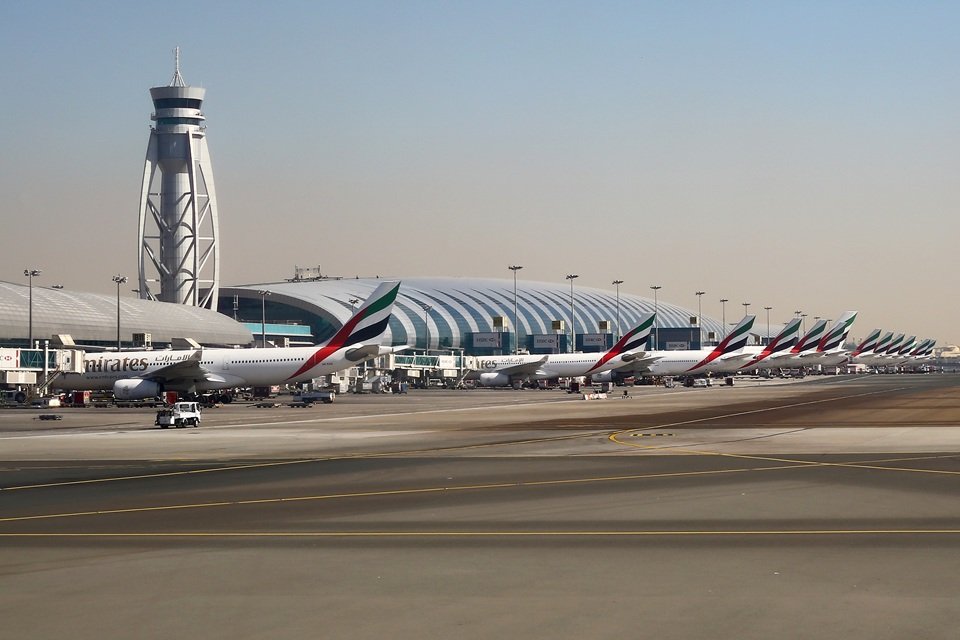
“Gulf carriers such as Emirates and Qatar Airways operate some of the world’s most important airfreight networks, but those networks depend on passenger revenue.
“If tourist confidence in Middle East destinations takes time to recover — even after the ceasefire — airlines may operate routes at below-sustainable passenger load factors and could cut network capacity as a result.
“Will airlines operate those routes or cut their networks based on demand? This is a key variable for the short-term recovery for airfreight.”
Last week, Xeneta reported that global air cargo demand fell 3% year-on-year in March, while capacity supply was 6% lower than in March 2025.
Meanwhile, dynamic load factor – Xeneta’s measurement of capacity utilisation based on volume and weight of cargo flown alongside available capacity – rose to 65%.
