


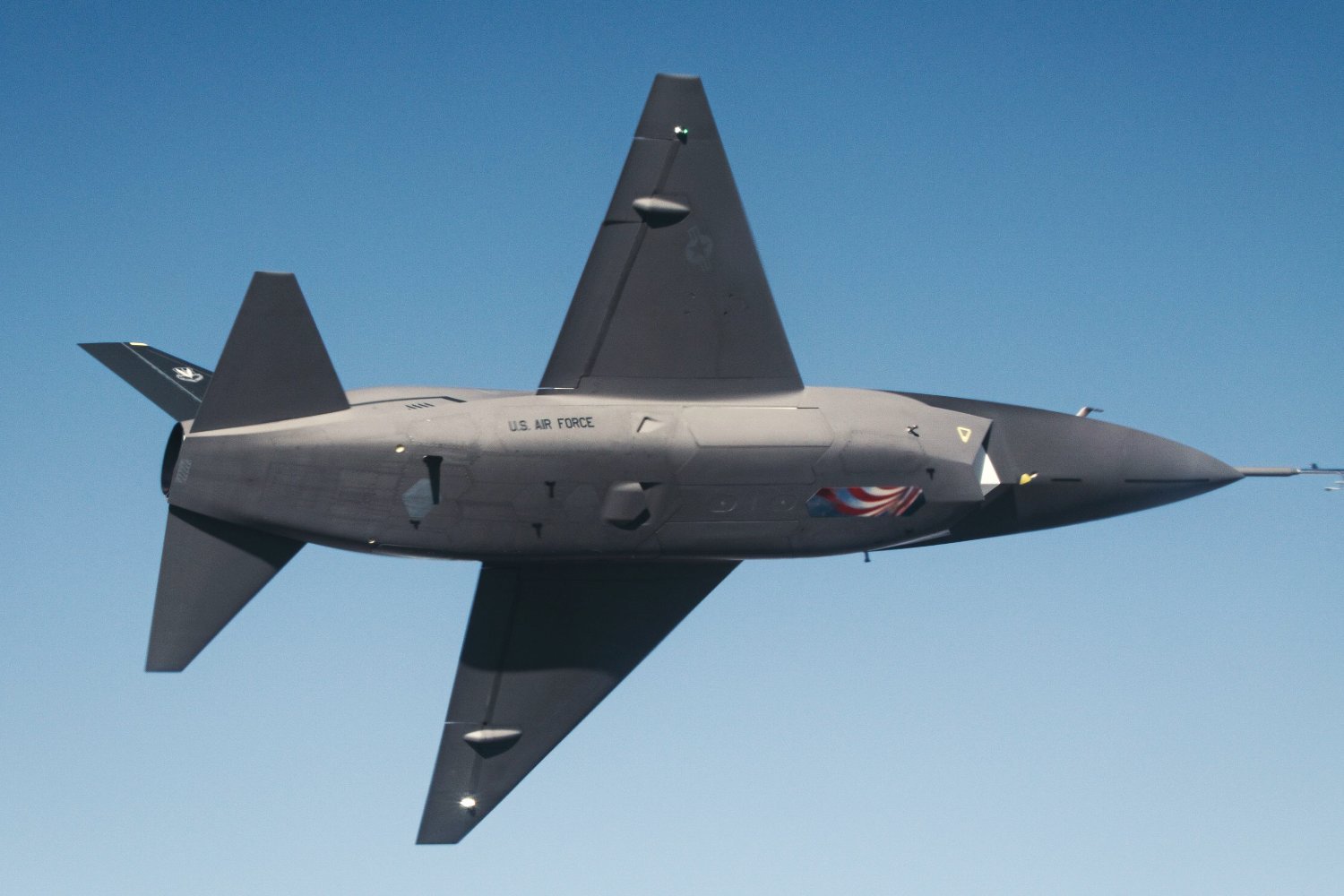
Anduril is set to begin production of its YFQ-44A combat drone in Ohio within days, bringing forward plans for its new “Arsenal-1” manufacturing facility as the U.S. Air Force moves toward a key decision in its Collaborative Combat Aircraft (CCA) program.
The company had previously indicated that manufacturing at the Columbus site would begin in mid-2026, but a senior executive now says the first units of the YFQ-44A will start being built imminently. The aircraft is Anduril’s entry in the Air Force’s effort to field autonomous “loyal wingman” drones designed to operate alongside crewed fighters.
The acceleration comes as the CCA program gathers pace, with a production downselect expected in fiscal year 2026. Anduril is competing against offerings from General Atomics and Northrop Grumman in what is shaping up to be one of the Pentagon’s most closely watched acquisition programs.
Follow us: WhatsApp | BlueSky | Google News | Instagram | LinkedIn | Facebook
The YFQ-44A first flew in October 2025 in California, joining General Atomics’ YFQ-42A in early flight testing aimed at refining requirements and reducing risk ahead of a production decision. The aircraft is designed as a relatively low-cost, scalable platform capable of performing a range of missions in coordination with piloted aircraft.
Anduril says its production approach relies on a diversified commercial supply chain for key components such as engines, avionics and landing gear, allowing it to increase output if demand rises. The strategy is intended to avoid bottlenecks associated with traditional defense suppliers and support higher production volumes if the Air Force moves forward with large orders.
The 5-million-square-foot Arsenal-1 facility has been positioned as a central element of that plan. Located next to an airport with long runways and dedicated apron space, the site is designed to support rapid manufacturing and delivery of autonomous systems.

Recent testing milestones have included armed flight trials and demonstrations of mission autonomy software, including the ability to switch between different control systems during flight. These developments are tied to the Air Force’s broader effort to integrate government-owned autonomy architectures with industry-developed platforms.
The CCA concept envisions unmanned aircraft operating in concert with fighters, taking on roles such as sensing, strike and electronic warfare while reducing risk to human pilots. The outcome of the current competition will shape how quickly those systems move from prototype to operational deployment in the coming years.
