


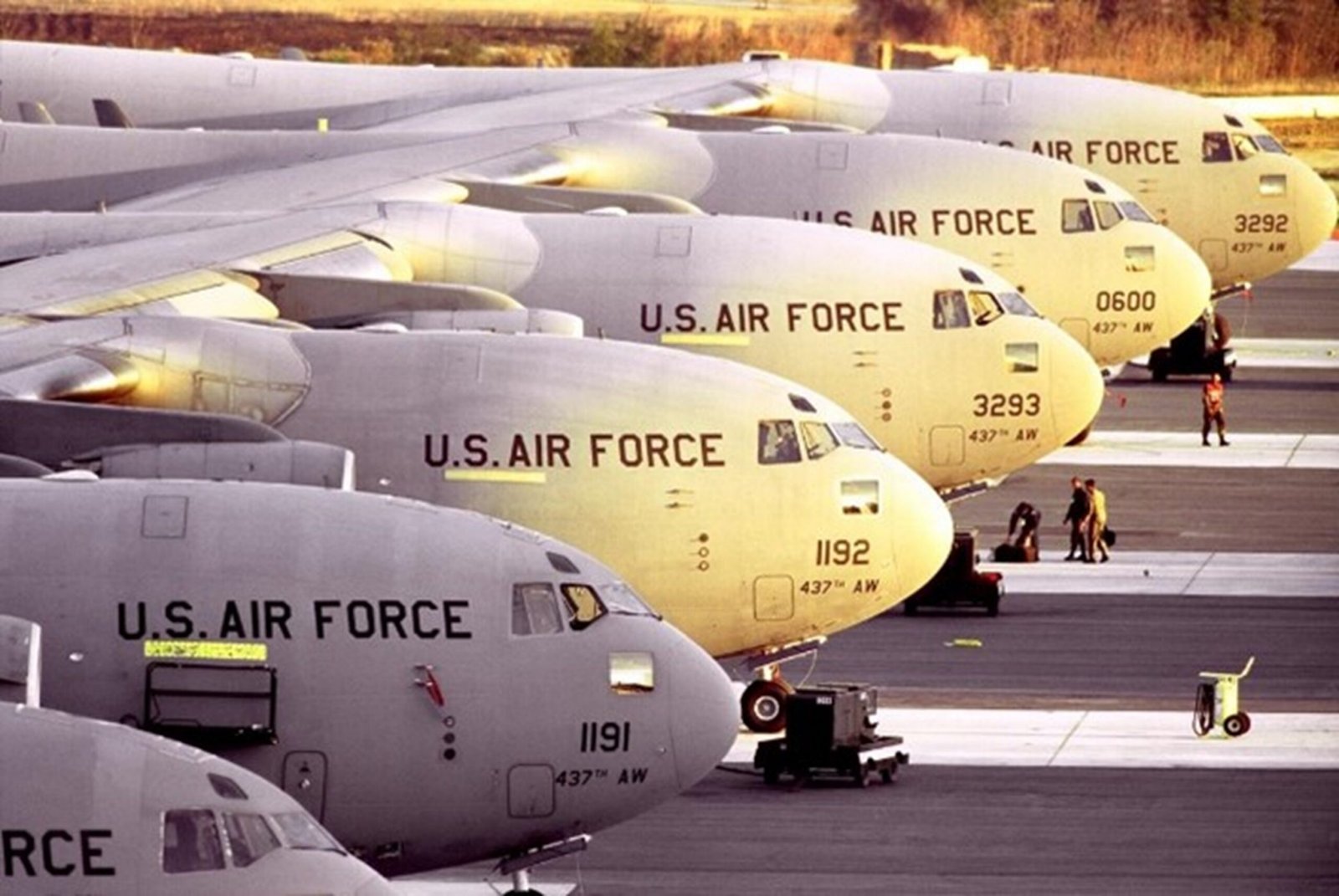
Boeing has signed an agreement with the U.S. Air Force to design, manufacture, and integrate a modernized flight deck for the C-17 Globemaster III.
The company said Friday that the upgrade will keep the military transport aircraft “flying and mission-ready for decades to come.”
As part of the overhaul, engineers will replace critical avionics and equipment with modern, modular open systems architecture (MOSA) that enables “plug‑and‑play enhancements” and expands mission capability, according to Boeing officials.
The C-17 entered service in the mid-1990s and became the Air Force’s workhorse for troop and cargo airlift missions. Though deliveries stopped in 2015, the aircraft’s utility and strategic importance, both in the U.S. and abroad, have prompted discussions about a potential restart in production.
The Air Force said last year that it will replace the C-17 and the Lockheed C-5 Galaxy through the Next-Generation Airlift (NGAL) program. But because production aircraft are still a long way off, the military branch said, the C-17 and C-5 will have to keep flying for longer than previously planned.
A recent memo stated the C-5 will remain in service until 2045, and the C-17 until 2075.
“The C‑17A has been the backbone of global air mobility for over three decades,” Travis Williams, Boeing’s vice president of Air Force mobility and training services, said in a news release. “With the U.S. Air Force requirement to keep the C-17A viable through 2075, we already have a clear and achievable roadmap to support their needs, and the needs of our international partners around the globe.”
Boeing delivered 275 C‑17A aircraft between 1993 and 2015. The Air Force received 222, while international partners received 53.
