


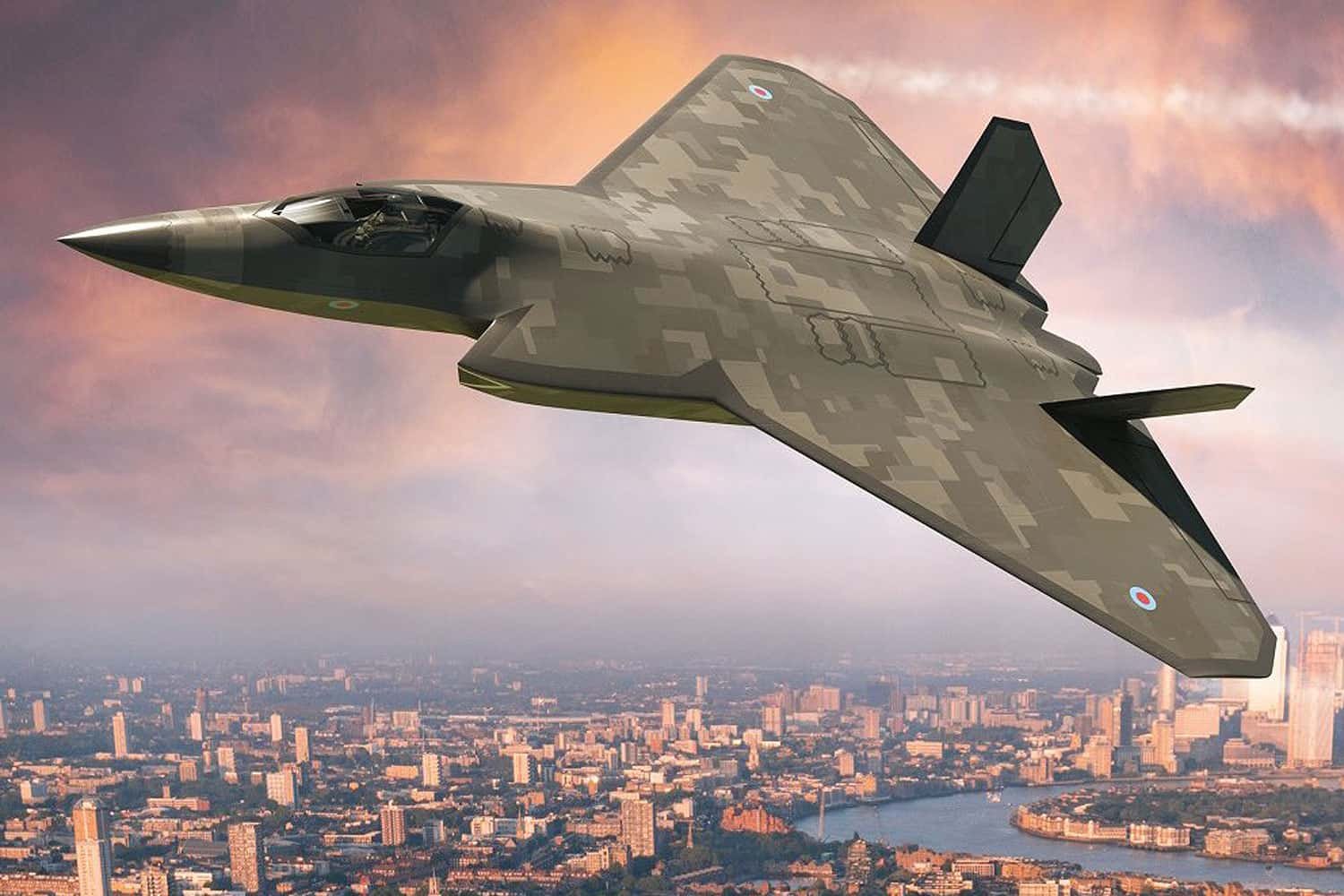
Canada is expected to join the Global Combat Air Program (GCAP) as an observer, a move that will grant Ottawa access to one of the most advanced next-generation fighter initiatives currently under development.
According to Japan’s Asahi news agency, the observer status will allow Canada to receive selected confidential information from the three core partners — Japan, the United Kingdom and Italy — without committing to full participation in the program.
The role is structured as a preliminary step that could lead to deeper involvement. While Canada is not expected to contribute to development at this stage, officials say the arrangement leaves open the possibility of future participation, including procurement or industrial cooperation.
Follow us: WhatsApp | BlueSky | Google News | Instagram | LinkedIn | Facebook
A formal announcement is expected as early as July, when defense ministers from the three partner nations are scheduled to meet in the United Kingdom.
Any decision by Canada to acquire the aircraft is likely to come later. A Japanese government official told Asahi that Ottawa will evaluate its position after joining the program as an observer.
The discussions follow a March 6 meeting in Japan between Defense Minister Shinjiro Koizumi and his Canadian counterpart, David McGuinty, who was accompanying Prime Minister Mark Carney. The two countries also signed a defense equipment and technology transfer agreement earlier this year, signaling closer military ties.
Japan, which aims to field the new fighter by 2035, has been cautious about expanding the number of full partners, citing concerns over potential delays in development. At the same time, interest in the program has grown as countries seek alternatives to existing fighter projects.
Officials involved in the program have held talks with several nations, including Singapore, Australia, India and Saudi Arabia. European countries such as Germany, Sweden and Poland have also shown interest, according to the report.
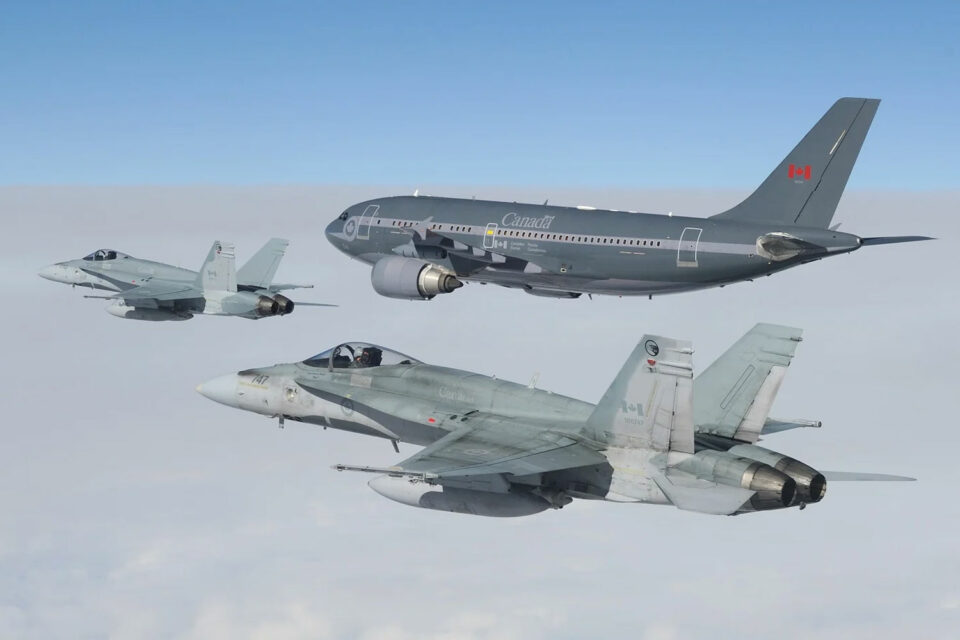
The rising attention comes as competing next-generation programs face uncertainty. The Franco-German-Spanish FCAS project has encountered disagreements between partners, while progress on the U.S.-led F-47 initiative remains limited.
Canada’s interest in the GCAP comes after friction with the Trump administration. The Royal Canadian Air Force selected the F-35 fighter jet, for which it signed an agreement for 88 aircraft, but since last year the government has been considering reducing the order and choosing another fighter jet such as the Gripen E/F.
