


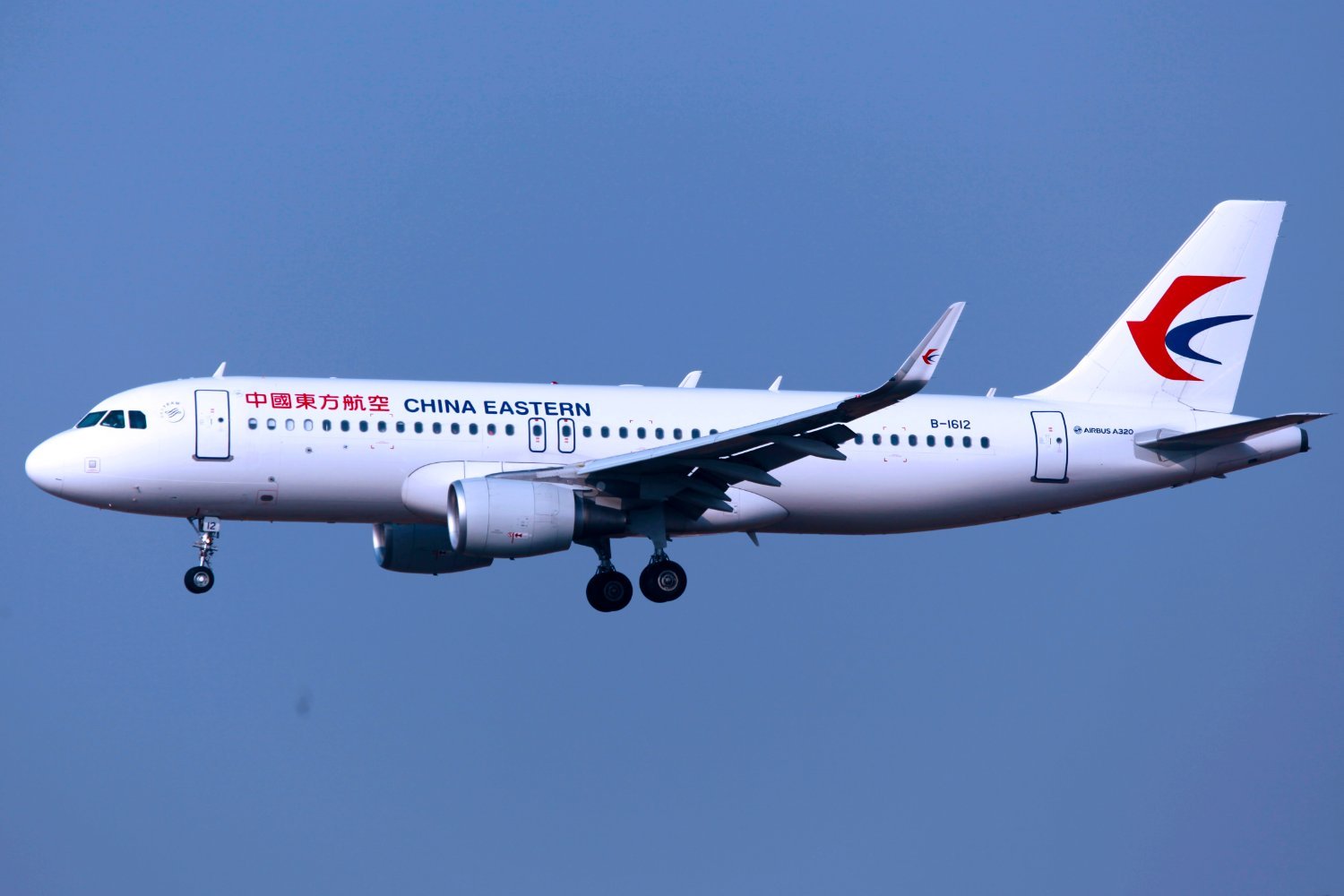
China Eastern Airlines has agreed to acquire 101 Airbus A320neo family aircraft in a deal valued at about $15.8 billion at list prices, according to a stock exchange filing by the airline, reinforcing a series of recent orders by Chinese carriers for the European narrowbody.
The state-owned airline said deliveries are scheduled between 2028 and 2032 and remain subject to approval by Chinese authorities. As is typical in such transactions, Airbus granted price concessions, meaning the final value will be lower than the headline figure.
The order follows a sequence of Airbus deals in China over the past months, including commitments from Air China, Spring Airlines, Juneyao Air and leasing group CALC, pointing to sustained demand for the A320neo family as carriers expand and renew their fleets.
Follow us: WhatsApp | BlueSky | Google News | Instagram | LinkedIn | Facebook
Airbus has maintained a more stable relationship with the Chinese government and continues to benefit from its industrial footprint in the country, including a final assembly line for the A320neo family in Tianjin. The setup has supported deliveries to local customers and strengthened the manufacturer’s position in a market where large orders often depend on political and industrial alignment.
The latest agreement also comes amid signs of potential additional purchases. Chinese officials have indicated interest in ordering up to 120 Airbus aircraft as part of high-level diplomatic engagements with European governments, suggesting further upside for the manufacturer in the near term.
At the same time, China is advancing its domestic aerospace ambitions through COMAC, which produces the C919 narrowbody designed to compete with the A320neo and Boeing 737 MAX. While the aircraft has entered service with local carriers, production rates remain limited and have not kept pace with demand from Chinese airlines.
China represents one of Airbus’ most important markets, with long-term forecasts pointing to thousands of new aircraft deliveries over the next two decades, driven by continued growth in domestic and regional air travel.
Airbus, however, continues to face supply chain constraints, including engine availability issues, which have affected output of the A320neo family even as demand remains strong.
