


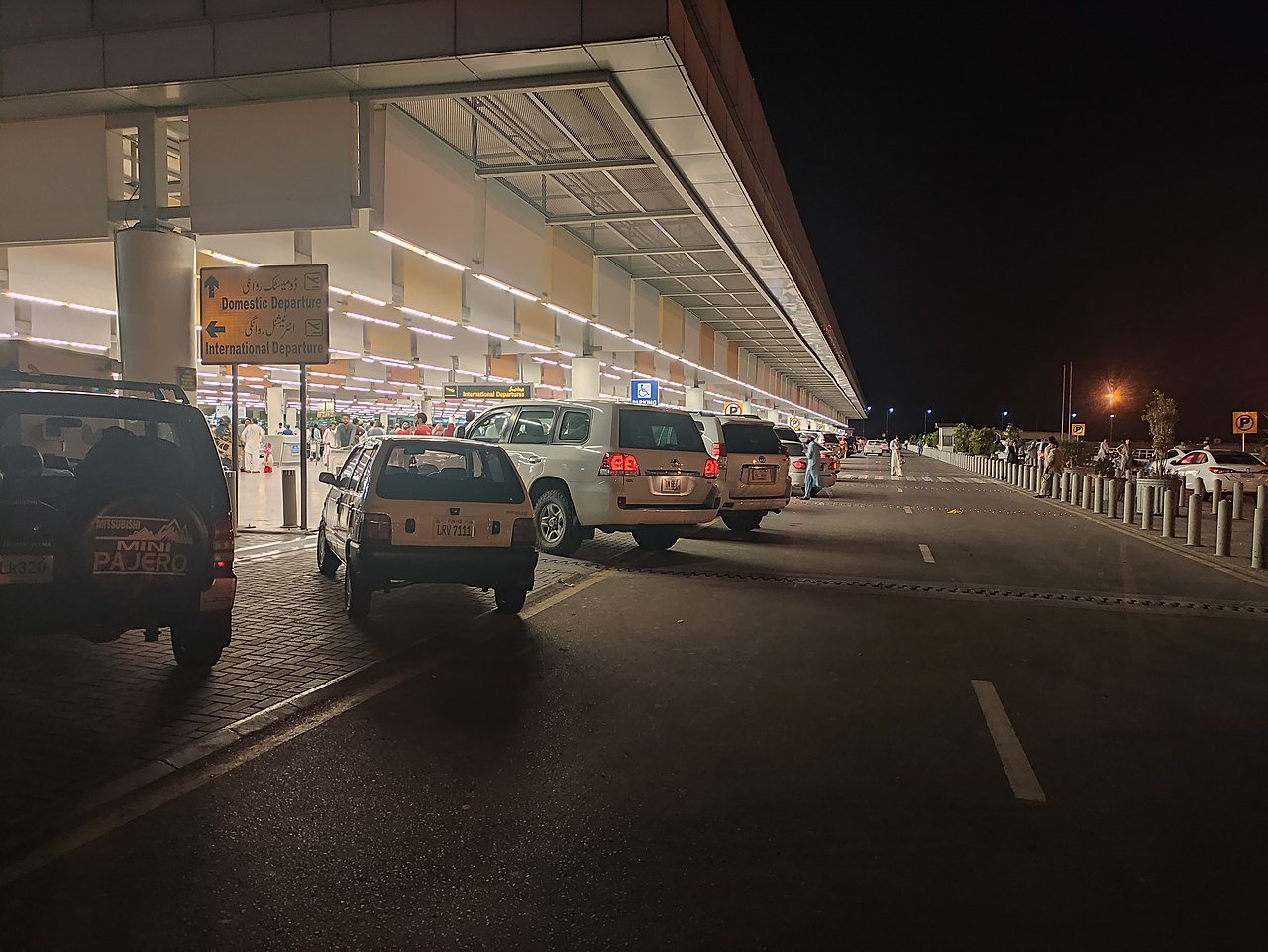
ISLAMABAD — A diplomatic whirlwind has gripped the Pakistani capital following a report from The Wall Street Journal claiming a high-level Iranian delegation has arrived for secret ceasefire negotiations with the United States. While the report suggests a monumental shift in regional diplomacy, Tehran has moved swiftly to deny the claims, creating a fog of uncertainty over the potential summit.
The Reported Arrival
According to sources familiar with the matter, the Iranian delegation touched down late Thursday night. The group is reportedly led by two of Iran’s most influential figures:
- Abbas Araghchi: Foreign Minister and veteran negotiator.
- Mohammad Bagher Ghalibaf: Parliament Speaker and a key conservative voice.
The talks, which are expected to take place on Saturday, follow a fragile two-week ceasefire established earlier this week. The American side is reportedly slated to be led by U.S. Vice President JD Vance, marking what would be the highest-level direct engagement between the two nations in years.
Tehran Issues Firm Denial
Despite the detailed reports, Iranian state-affiliated media has dismissed the news as unfounded. Both Mehr News and the IRGC-linked Fars News issued statements denying that any such officials had traveled to Pakistan.
This “denial-of-presence” strategy is a common tactic in high-stakes backchannel diplomacy, often used to protect negotiators in case talks collapse before they begin. However, it leaves observers questioning whether the delegation is operating in total secrecy or if the reports of their arrival were premature.
Why Islamabad?
Pakistan has long positioned itself as a bridge between the West and the Middle East. Holding these talks in Islamabad offers several advantages:
- Neutral Ground: Pakistan maintains diplomatic ties with both Washington and Tehran.
- Security: The capital’s high-security “Red Zone” provides a controlled environment for sensitive discussions.
- Regional Stability: As a neighbor to Iran, Pakistan has a vested interest in the success of any ceasefire that could lower regional tensions.
What is at Stake?
The primary goal of the Saturday meeting is reportedly to solidify the current temporary ceasefire into a more permanent arrangement. With Vice President Vance expected to lead the U.S. side, the administration appears to be signaling a “results-oriented” approach to the long-standing friction with Iran.
As of Friday morning, the Pakistani Foreign Office has not officially commented on the presence of the delegations, keeping the world guessing until Saturday’s expected start time.
