


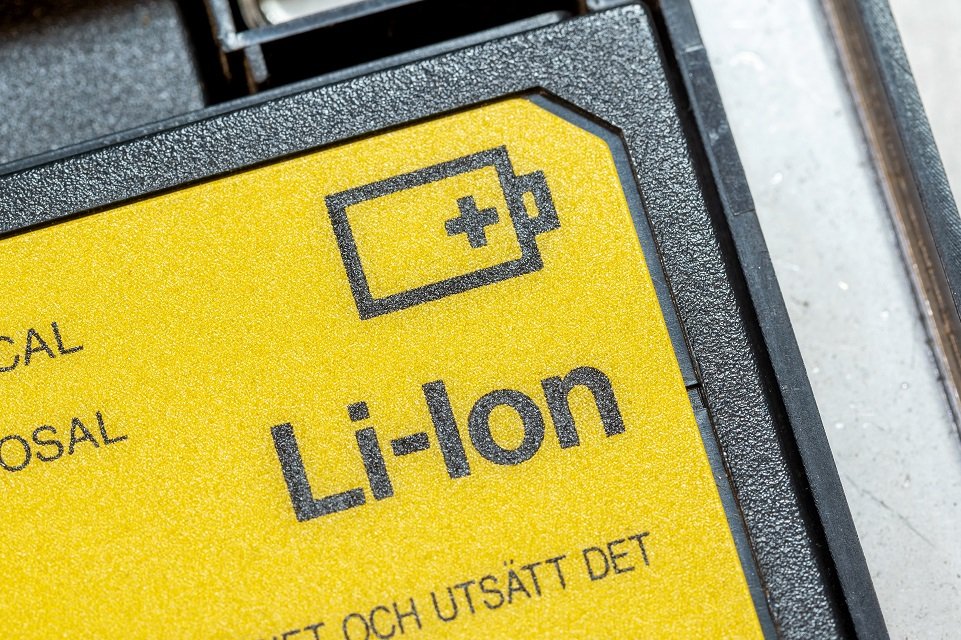
Rishani Dissanayake, programme manager at AmSafe Bridport, told Air Cargo News that rapid growth in lithium-ion batteries, electronics, e-commerce shipments and high-density energy products has heightened the risk of thermal runaway incidents.
While such comments are not unexpected given the company’s commercial interest, recently published research supports the claim.
A report by UL Standards & Engagement (ULSE) found the air cargo sector has experienced a 40% increase in thermal runaway incidents since 2021, with reported cases rising from 10 in 2021 to 14 in 2025.
“The industry is no longer asking whether a fire can occur, but how best to contain and survive one during flight,” said Dissanayake.
“A single damaged lithium cell can cause a chain reaction, igniting a fire in dense cargo areas. At high altitude, the crew’s main focus is to manage the situation well enough to ensure a safe landing.”
Risks are expected to intensify as battery chemistries evolve, energy densities increase and shipment volumes expand.
“Containment has become a critical risk management strategy and an essential component of in-flight survivability planning,” she said.
Tackling the issue
AmSafe Bridport’s technology centres on fire containment covers (FCCs) for palletised cargo, constructed from flame- and heat-resistant materials. However, a multilayered approach is widely seen as the most effective way to mitigate fire risk.
“Detection, suppression and physical containment must work together,” said Dissanayake. “FCCs and bags create a controlled environment that helps prevent fire spread, manage heat transfer and allow aircraft smoke detection systems to remain active.
“When paired with onboard suppression systems and increasingly with RFID or Bluetooth tracking for visibility, operators create a multi-layered defence strategy.”
She added that implementation is as critical as the technology itself, noting that even the most advanced systems are only effective if deployed consistently and correctly.

Dissanayake said the company’s covers are designed to contain fire, limit oxygen availability, manage heat transfer and allow controlled smoke release so that aircraft detection systems remain operational.
The firm also offers bespoke fire containment bags and pouches, particularly suited to damaged, suspect or recalled lithium batteries.
Alongside technological solutions, regulation is expected to play a central role in addressing the risks associated with lithium battery transport. While progress is being made, the pace of innovation means the industry must remain proactive.
“Many fire containment solutions were developed ahead of formal regulation because operators recognised the operational risk,” said Dissanayake.
“We are actively involved in the development of new lithium battery fire test standards expected in 2026 and will re-test our products to ensure full compliance once they are released.
“Regulation alone cannot eliminate risk. Operators, manufacturers and regulators must work collaboratively. In-flight survivability depends on preparation, layered protection and continuous product validation through rigorous testing.”
