



PETERBOROUGH, UK — Waste management facilities are rapidly evolving into the high-tech refineries of the future as global carriers double down on “sewage-to-SAF” technology to meet aggressive decarbonisation mandates. As of February 6, 2026, the aviation industry’s eyes are fixed on the successful scale-up of hydrothermal liquefaction (HTL), a process that transforms human excrement into a “drop-in” jet fuel nearly indistinguishable from fossil-based kerosene.
The momentum behind sewage-based Sustainable Aviation Fuel (SAF) reached a fever pitch this week following a series of breakthroughs by the UK-based startup Firefly Green Fuels. Independent laboratory testing conducted by the German Aerospace Centre and Washington State University has officially confirmed that Firefly’s “bio-kerosene” exhibits a chemical signature almost identical to standard A1 jet fuel, but with a life cycle carbon footprint reduced by a staggering 90%.
The surge in interest comes as the UK Government announced a fresh £43 million investment yesterday, February 5, 2026, to accelerate green aviation projects. This funding will support the “Sustainable Aviation Fuel Bill,” which is set to come into force later this year, providing a price guarantee for UK producers and ensuring that carriers like Wizz Air can meet the legal mandate of 10% SAF usage by 2030.
The Alchemy of Hydrothermal Liquefaction
At the heart of this revolution is the HTL process, which uses moderate heat and high pressure to replicate the natural formation of crude oil in minutes rather than millennia. This produces two primary outputs: bio-crude, which is refined into jet fuel, and biochar, a carbon-rich byproduct that can be sequestered in agricultural soil or used in construction.
James Hygate, CEO of Firefly Green Fuels, emphasised the logistical brilliance of using sewage as a feedstock during a media outreach day this week:
“We wanted to find a really low-value feedstock that was highly abundant. And of course, poo is abundant. It has no fossil carbon, it’s a fossil-free fuel.”
Wizz Air’s Multi-Year Commitment
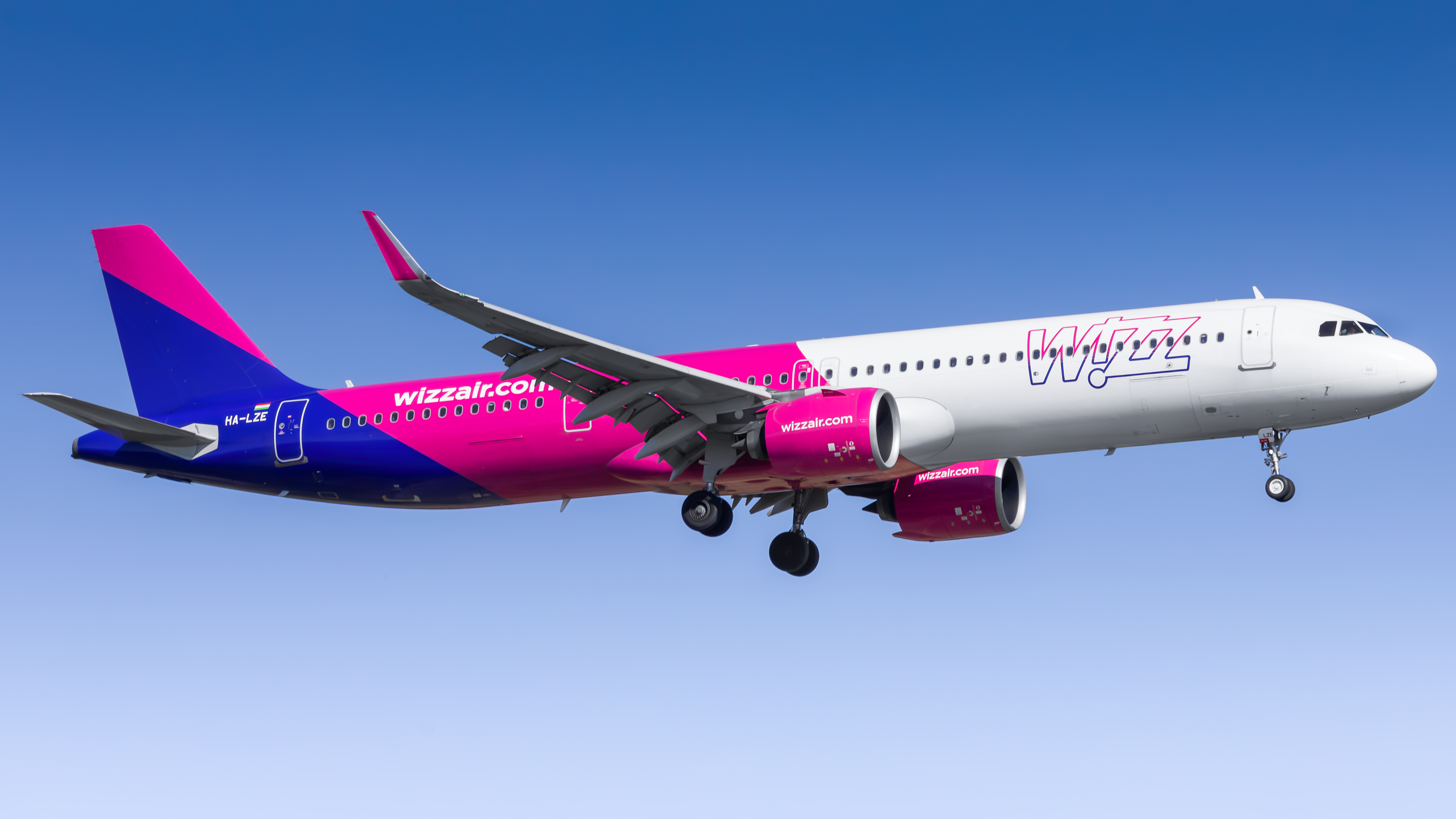
Budget giant Wizz Air remains the primary institutional backer of the technology, having secured a 15-year offtake agreement for up to 525,000 tonnes of SAF starting in 2028. The airline views this “waste-to-wings” pipeline as essential for maintaining its low-cost model in the face of rising carbon taxes across Europe and the UK.
Naomi Henning, Chief Commercial Officer at Firefly, noted the inescapable logic of the supply chain:
“Wherever there are people, there’s going to be poo.”
Projected Flight Operations Transitioning to Sewage-Based SAF (2028 Launch)
While commercial wide-scale integration is slated for 2028, Wizz Air UK has identified primary routes for the initial 525,000-tonne offtake. The following table outlines the projected “Green Corridor” flights that will lead the transition:
| Flight No. | Route | Departure Time | Arrival Time | Duration | Operating Days |
|---|---|---|---|---|---|
| W9 4452 | LTN (Luton) – BUD (Budapest) | 08:15 AM | 11:45 AM | 2h 30m | Daily |
| W9 5103 | LGW (Gatwick) – MXP (Milan) | 07:30 AM | 10:40 AM | 2h 10m | Mon, Wed, Fri |
| W9 4481 | LTN (Luton) – PRG (Prague) | 12:20 PM | 03:20 PM | 2h 00m | Daily |
| W9 3901 | LTN (Luton) – OPO (Porto) | 06:10 PM | 08:35 PM | 2h 25m | Tue, Thu, Sat |
Note: Flight details are based on current Wizz Air UK scheduling and the 2028 offtake agreement parameters. Actual times are subject to seasonal adjustments.
Scaling the “Unavoidable” Feedstock
One of the most compelling arguments for sewage-based fuel is its circularity. Unlike crops, which compete for arable land, or used cooking oil (UCO), which is already in high demand, human waste is a problematic byproduct that water companies are often penalised for discharging into oceans.
According to calculations verified by Cranfield University, each person generates enough sewage annually to produce approximately 4 to 5 litres of bio-jet fuel. While seemingly small on an individual scale, the UK’s total sewage supply could meet roughly 5% of the country’s total aviation demand, effectively providing half of the 2030 SAF mandate from a single, limitless source.
As the industry looks toward the 2027 opening of the first commercial refinery in Harwich, UK, the “Shame On You” era of airline emissions may finally be giving way to a more pragmatic, if unconventional, solution.
