


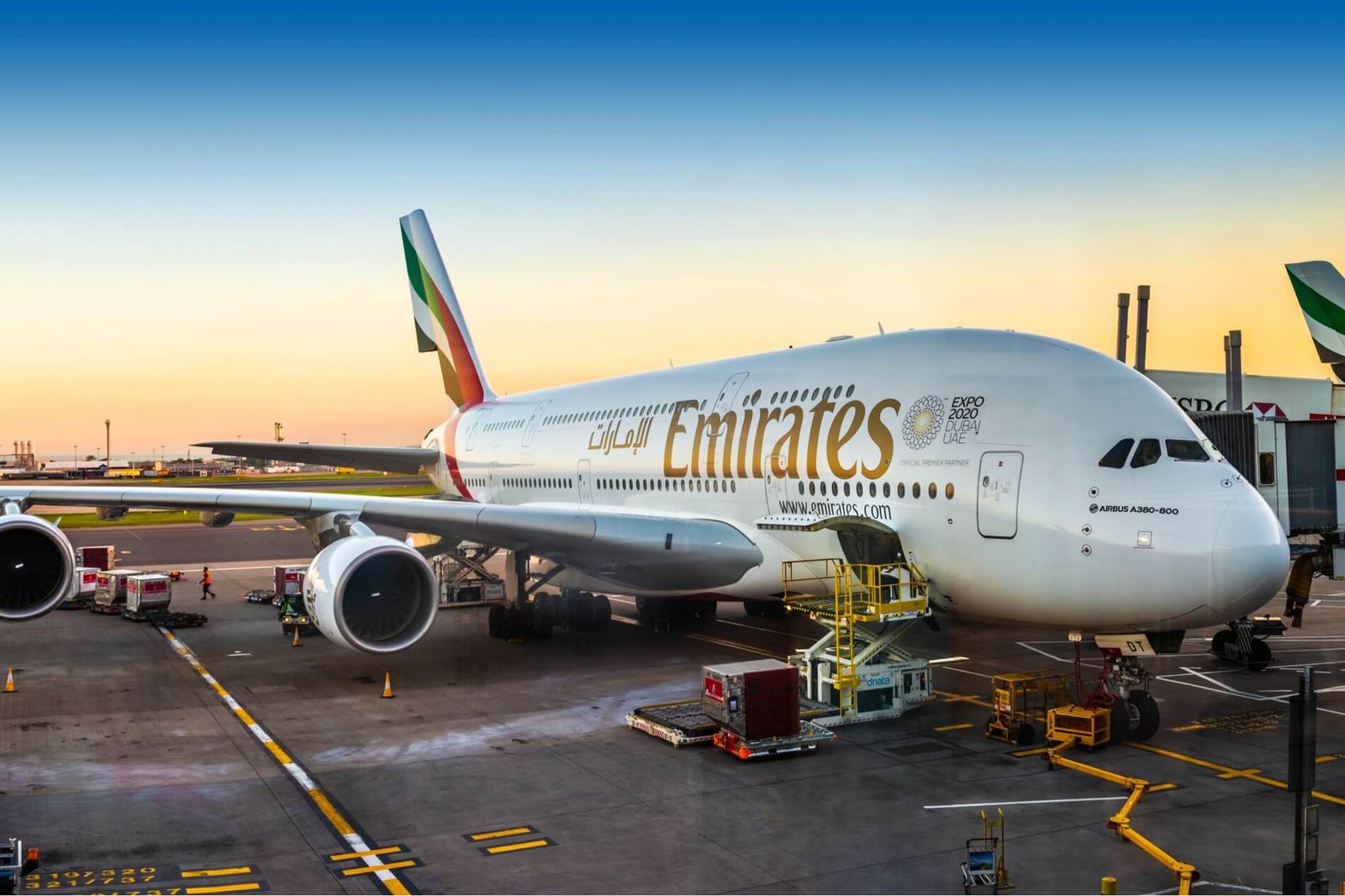
London-Heathrow Airport (LHR) is demonstrating stubborn resilience to global events despite a huge drop-off in passengers for the Middle East as a result of the war in Iran.
On April 13, 2026, Heathrow Airport said it delivered year-on growth, welcoming 6.6 million passengers and describing its March 2026 performance as a “stand out month”.
While the airport saw a 51% decrease in passengers traveling to and from the Middle East in March 2026, Heathrow saw demand shift across long-haul network.
Passenger numbers for Asia and the Pacific increased by 31% in March 2026, and by 23% for Africa. Overall, globally there was a 6.9% rise in passenger numbers.
So far, the knock-on impacts on global supply chains, including fuel, have not affected airport operations. However, the outlook for the next few months is uncertain, due to the ongoing conflict.
This weekend, we welcomed @Official_PIA‘s first arrival back at Heathrow.
With direct flights between Heathrow and Islamabad and Lahore from Terminal 4, this route brings important connections back for travellers, families and communities across the UK and Pakistan. pic.twitter.com/nJxUzgCGG3
— Heathrow Airport (@HeathrowAirport) March 31, 2026
While Heathrow has temporarily absorbed demand from elsewhere, its growth remains slower than EU competitors as runway slots are full.
“We’re doing everything we can to support airlines and passengers as travel trends shift during the Middle East crisis. While Heathrow’s long-haul network absorbed demand in March, the outlook for the next few months remains uncertain. I’m proud of what colleagues have achieved to quickly adapt and continue giving passengers a great service during difficult times,” said Heathrow CEO, Thomas Woldbye.
Additionally, Heathrow Airport has seen a 10% spike in transfer passengers, as airlines and passengers adapt to airspace closures.
