


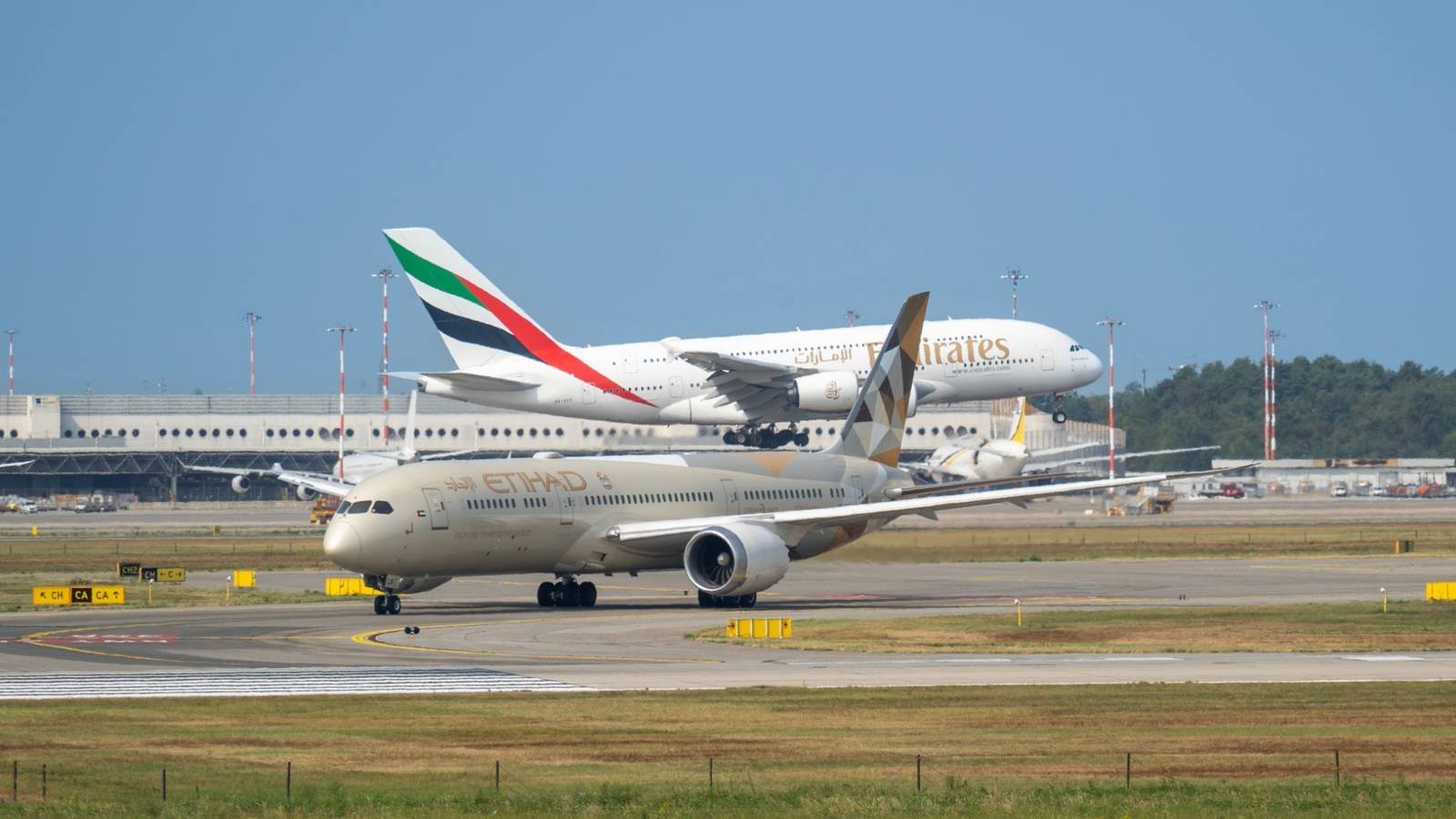
After weeks of fighting, the US and Iran have agreed on a two-week ceasefire as world leaders look to get the 2026 Iran Crisis under control. The conflict began when American and Israeli forces launched strikes on Iranian targets, with this action having a wide range of knock-on effects outside of the military sphere. Aviation is one sector that has been hit particularly hard, with major hub airports in the Middle East brought to a near standstill.
All over the world, airlines are also feeling the impacts of the crisis due to an increase in fuel prices, which has come about as a result of disruption to oil supplies. It is hoped that the ceasefire will provide some relief on this front, with the BBC reporting that the Strait of Hormuz will be reopened to shipping traffic. However, some major stakeholders in the aviation sector remain skeptical as to the potential relief that the ceasefire will really bring.
Among those who don’t expect to see meaningful relief in the short term is IATA Director General Willie Walsh. Indeed, according to Reuters, Walsh has said that it will take months for fuel prices to stabilize following the ceasefire. This would be bad news for airlines and particularly their passengers, who have often been bearing the brunt of these fuel cost hikes through increased ticket prices.
Bag fees have also been hiked to cover the cost. On a wider level, Condé Nast Traveller also doesn’t expect the region’s airlines to boost their flights any time soon, with no indication of any changes to the schedules of the likes of Emirates, Etihad Airways, and Qatar Airways.
A key reason behind this is that the ceasefire is, for now, only temporary. Airspace also remains restricted, and governments have not changed their travel advisories for the region. Commenting on the situation, Walsh explained:
“It will take months to get back to where supply needs to be given the disruption to the refining capacity in the Middle East, (…) not just for jet fuel but other products as well.”
The Region’s Airlines Have Planned In The Long Term

In recent weeks, the ‘big three’ Middle Eastern airlines have been adding to their schedules. Indeed, Condé Nast Traveller notes that Emirates is now at 70% of its pre-war levels, with its UAE rival Etihad not far behind on 65%. Qatar Airways, meanwhile, is lagging behind at 40%. This gradual ramp-up is a reflection of the uncertainties of modern conflict, so the fact that the ceasefire isn’t expected to result in big short-term boosts is no surprise.
A key reason behind this is that these airlines have planned in the long term in response to the conflict. This is perhaps best illustrated by Qatar Airways, which has grounded all eight of its Airbus A380s. These will remain out of service throughout April and May, with their return scheduled for June (for now).
Moving from its fleet to its network, Qatar Airways’ network suspensions have also been put in place in the longer term, with Simple Flying reporting last week that it had temporarily shelved 64 routes until at least May or June. Likewise, Emirates has dropped the A380 from 15 routes due to the lack of demand.

Emirates Pulls The Airbus A380 From 15 Major Routes: Here’s Why
The continuing war in Iran has led to a drastic reduction in Emirates’ A380 departures from Dubai, with plans subject to rapid change.
Unlikely Relief Elsewhere Following The Ceasefire

With all of that being said, there are signs of more immediate relief elsewhere, and perhaps not where you might have expected them to have appeared in the event of a ceasefire. Specifically, it is thought that the pause in hostilities will lead to green shoots of recovery in India, with CNBC reporting that shares in Indian carrier  IndiGo had increased in value by a factor of 11% as a result of the newly signed US-Iran ceasefire.
CNBC notes that this is indicative of an easing of pressure on Indian aviation as a whole. While not directly impacted by the conflict in recent weeks, the country’s airlines have suffered from having to take longer routes around the now unusable airspace. Furthermore, the Middle East is a key market for Indian airlines, with up to 350 flights typically being operated every day on such routes. This fell to 80-90 in March, but, now, it could be on the up.
