


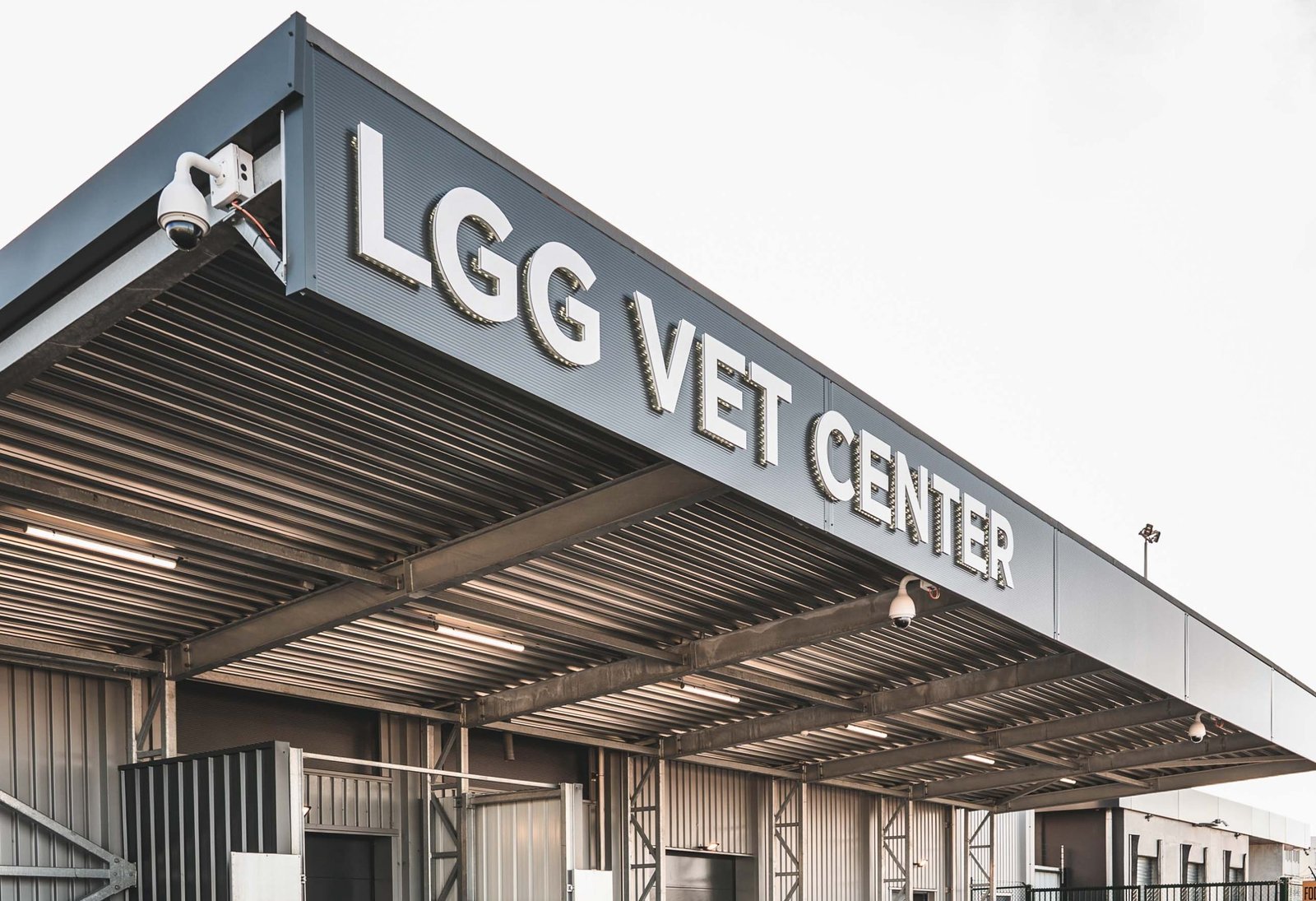
Liege Airport (LGG) has officially inaugurated its newly renovated vet facility for the sanitary inspection and quarantine of live animals transiting through the airport.
The “Vet Center” is part of the airport’s “CargoLand” hub, which is currently in development and is expected to be fully completed by 2040.
Forming a critical control point within the airport’s live animal logistics chain, the vet facility ensures that every animal entering or leaving LGG complies fully with animal health and biosecurity regulations.
All live animals passing through the airport are subject to stringent veterinary inspection, safeguarding both animal welfare and the integrity of cross-border trade.
The renovated vet facility now features fully equipped inspection zones and an isolated quarantine area, enabling veterinarians to manage animals requiring observation or additional testing without interrupting ongoing operations.
This configuration allows parallel processing of multiple consignments while maintaining strict biosecurity and operational continuity.
Designed to accommodate a wide variety of species and scenarios, the facility supports the veterinary services of the Belgian Federal Agency for the Safety of the Food Chain (AFSCA) in performing detailed sanitary inspections, including health status checks, documentation control, and transport condition assessments.
In 2025, the facility processed 3,766 equids (which include horses, donkeys and zebras), in addition to diversified live shipments such as ornamental fish, insects, and small mammals.
“The renovation of the Vet Center was driven by very concrete sanitary and operational realities,” said Frédéric Brun, head of commercial cargo & logistics at Liege Airport.
“We are handling increasing volumes and more complex live animal movements. This upgraded infrastructure enables us to strengthen veterinary control capacity and maintain the highest standards of animal health and welfare.”
In addition to the Vet Center, Liege Airport also handles a large number of horses through its Horse Inn, capable of accommodating up to 12,000 horses per year in secure, controlled conditions.
