


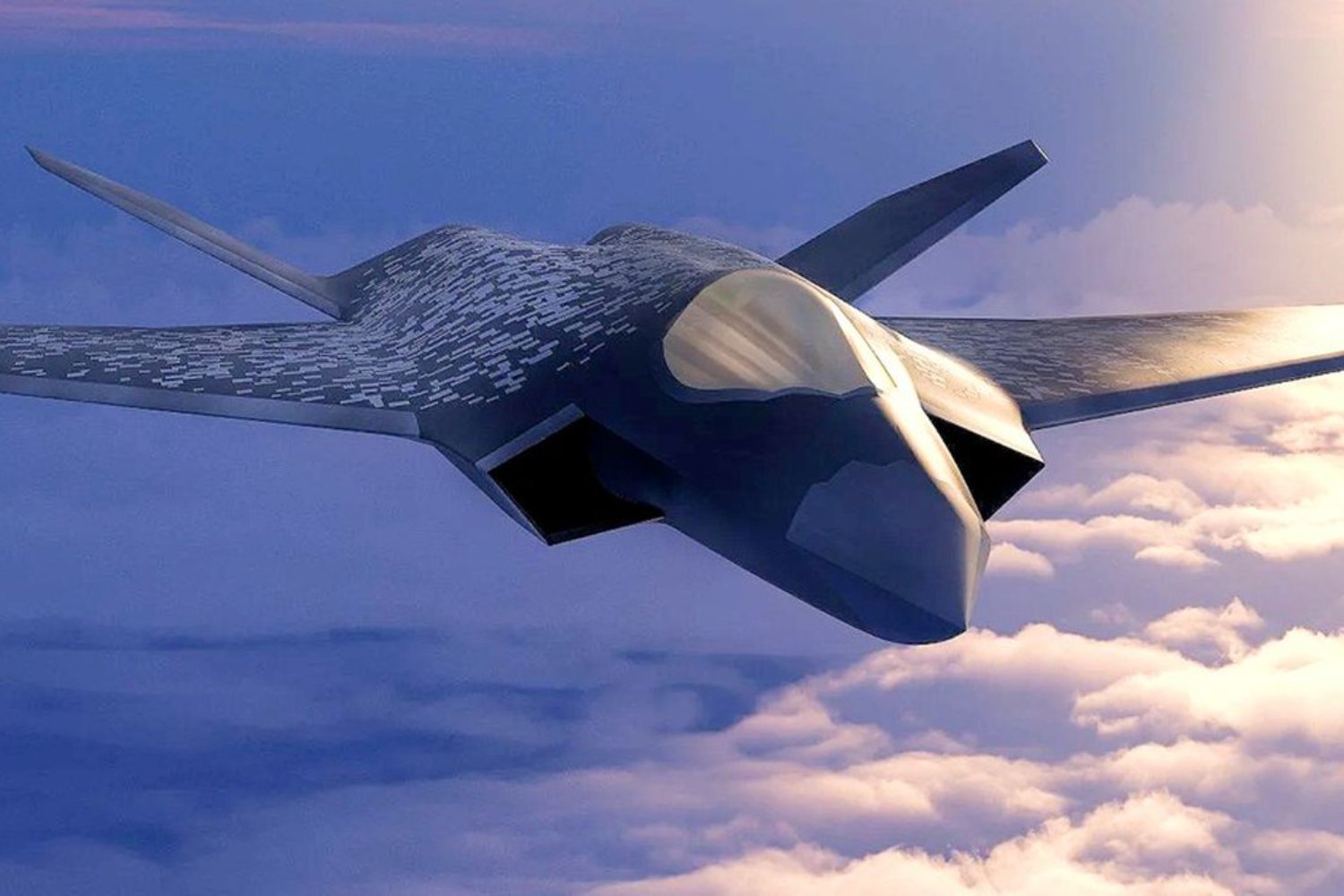
French President Emmanuel Macron and German Chancellor Friedrich Merz are expected to discuss the troubled Future Combat Air System (FCAS) during a meeting on the sidelines of a European Union summit this week, as tensions between industry partners cast doubt over the program’s future.
The project, launched in 2017 by France and Germany with Spain joining later, aims to develop a next-generation air combat system to replace the Dassault Rafale and Eurofighter from around 2040. It is built around a networked architecture combining a crewed fighter with unmanned systems and advanced digital connectivity.
However, disagreements between Dassault Aviation and Airbus — which represents German and Spanish interests — have stalled progress, particularly over leadership and industrial control of the next development phase, including a planned demonstrator aircraft.
Follow us: WhatsApp | BlueSky | Google News | Instagram | LinkedIn | Facebook
Dassault has pushed for greater authority over the core fighter element, arguing it should lead design and supplier decisions, while Airbus has insisted on maintaining the agreed balance between partners. The dispute has deepened in recent months, raising concerns within the industry that the program could unravel.
Despite the friction, political leaders retain the final say. Macron has previously downplayed the impact of industrial disagreements on strategic defense decisions, signaling that governments may seek to keep the program alive even as companies remain at odds.

The stakes are high for Europe’s defense sector. A collapse of FCAS could force a realignment of partnerships, with Germany potentially shifting closer to the rival Global Combat Air Programme (GCAP) led by the United Kingdom, Italy and Japan, while other players such as Sweden could reconsider their role in future fighter development.
