


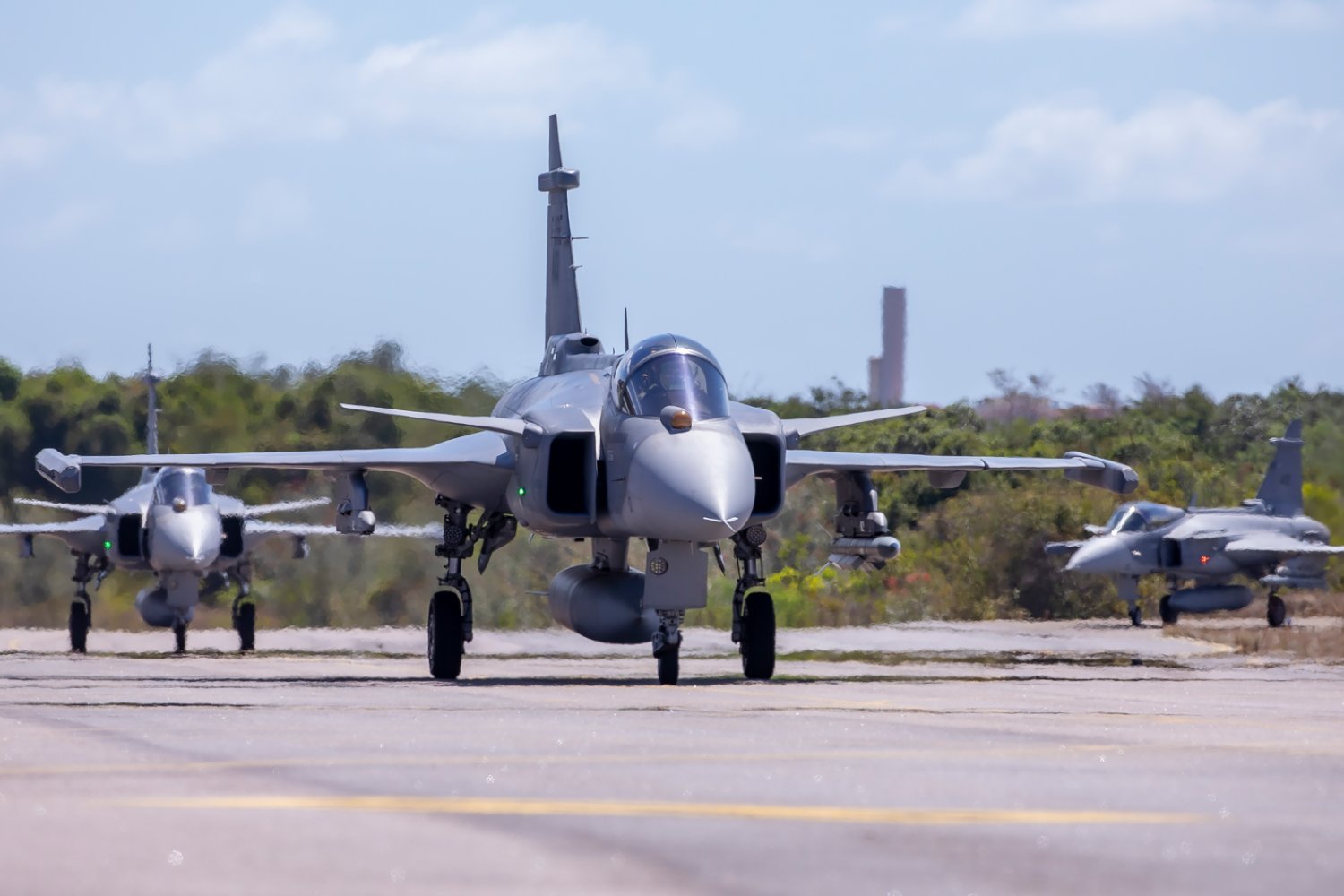
Saab CEO Micael Johansson said discussions with the Canadian government over a potential Gripen fighter deal remain “intensive,” as Ottawa continues to reassess part of its planned acquisition of F-35 jets without a clear timeline for a decision.
Canada has an agreement to acquire88 F-35 fighters from Lockheed Martin, with 24 aircraft already funded. However, the current government has cast doubt over the remaining jets following tensions with the administration of former U.S. President Donald Trump, reopening space for competing offers.
Since then, Saab — and to a lesser extent France’s Dassault Aviation — have sought to position alternative solutions. Saab’s proposal includes the Gripen E/F, along with local assembly in Canada and the possible addition of GlobalEye airborne early warning aircraft as part of a broader package.
Johansson said the company is in close contact with Canadian authorities, providing data on cost, delivery timelines and industrial participation. He added that Saab has not received a firm indication of when Ottawa will conclude its review of the F-35 program.
A central issue is whether Canada will proceed with a single fleet based on the F-35 or adopt a mixed approach that includes another platform. U.S. officials have previously warned that stepping away from the F-35 could complicate Canada’s role within NORAD, particularly in joint air defense operations.

Johansson said Saab sees strong potential in the Canadian campaign but stressed that the outcome depends on a political decision. He added the company could begin delivering aircraft within five years if selected, citing Canada’s industrial base and existing infrastructure as factors that support a shorter timeline.
He also addressed delays in Brazil’s Gripen program, saying the Canadian case differs in terms of readiness and local capacity, which could help avoid similar setbacks.
