


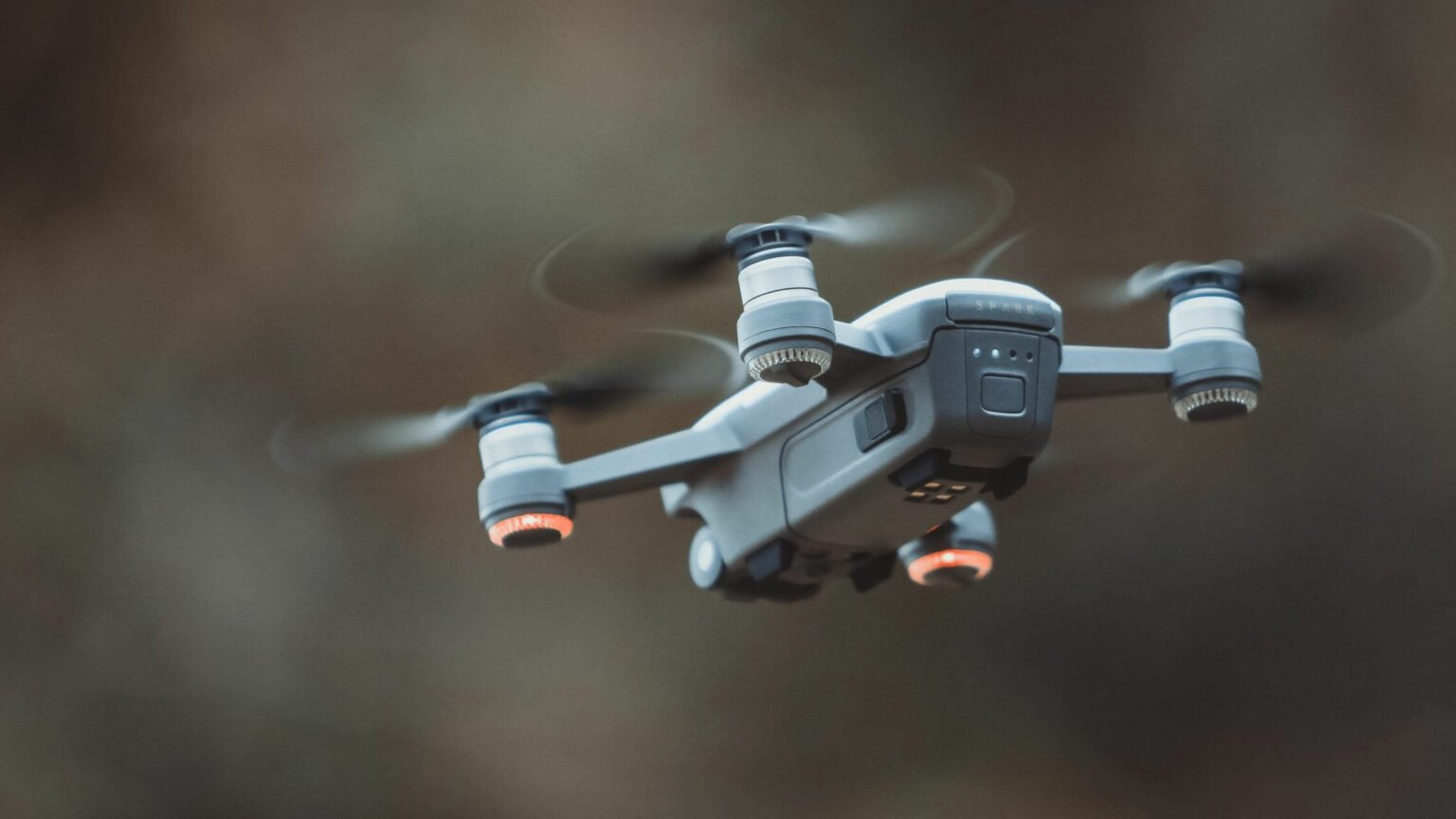
Security personnel at 2026 FIFA World Cup venues will have the ability to wrest control of unauthorized drones from their operators.
Ondas, which produces a variety of uncrewed aircraft systems (UAS) under its many subsidiaries, announced Tuesday that one of them, Sentrycs, won multiple contracts from federal, state, and local public safety and security organizations to stop rogue UAS from spoiling the global spectacle.
The contracts, which Ondas said are “valued in the millions of dollars,” cover the deployment of Sentrycs’ Cyber-over-RF system at most World Cup host venues, which span 11 U.S. states, three cities in Mexico, and two in Canada. The event will take place from June 11 to July 19.
“Securing the lower airspace across multiple venues simultaneously presents a unique operational challenge, requiring coordinated, regulation-compliant counter-drone capabilities,” Ondas chairman and CEO Eric Brock said in a statement.
Ondas said Sentrycs’ counter-UAS (C-UAS) system passively detects, tracks, and identifies drones flying where they should not. When necessary, operators use handheld devices to take control of and land drones in designated areas.
Whereas other C-UAS systems use signal jamming or projectiles, Sentrycs’ is designed to minimize interference to the public and the communication systems used by authorized aircraft. In January, the system helped secure the airspace over the 2026 World Economic Forum in Switzerland.
The U.S. Department of Homeland Security in February placed a multimillion-dollar order for Fortem Technologies’ drone-catching nets, adding another layer of protection for World Cup soccer matches. Fortem previously provided C-UAS support for the 2022 World Cup in Qatar.
World Cup Drone Threat
Pitch invaders are no longer the only threat to disrupt World Cup matches. Federal, state, and local officials have spent months preparing for the potential of drones to crash into spectators, deploy weapons, or cause a crowd panic.
The NFL has recorded more than 2,000 drone incursions into the temporary flight restrictions (TFRs) around its stadiums in each of its past three seasons—including during regular-season and playoff games. The incidents so far have not caused injuries. But they illustrate the challenge of airspace security for large events.
Public concern over rogue drones reached a fever pitch in 2024, when thousands of people in the U.S. northeast reported mysterious drone sightings. Federal officials said most were cases of mistaken identity, but they did confirm some reported sightings over military facilities.
Those sightings have only continued. A spokesperson for U.S. Northern Command in October told digital news site Breaking Defense that it recorded 230 drone incursions over military installations between September 2023 and ’24, and 420 the following year. In recent months, they have been spotted over facilities housing nuclear-capable aircraft, tankers deployed to the Middle East, and even senior federal officials such as Defense Secretary Pete Hegseth and Secretary of State Marco Rubio.
Mitigating those disruptions is a challenge. Federal C-UAS resources are typically only deployed to major events such as the Super Bowl. Regulations safeguarding civilian air travel have effectively muzzled the military’s authority to mitigate UAS threats over bases.
But that could change. The federal Joint Interagency Task Force 401 began coordinating C-UAS efforts across the government in August. In December, Hegseth issued guidance that makes it easier for military personnel to counter drone threats to bases. The Federal Communications Commission took the extreme step of banning the sale of all foreign drones, citing national security concerns. It partially reversed the ban in January.
Also in 2025, the NFL joined Major League Baseball and other professional sports leagues in pushing for C-UAS authorities reserved for federal agencies to be extended to states. They succeeded with the passage of the Safer Skies Act, which does exactly that.
The Federal Emergency Management Agency’s (FEMA) C-UAS Grant Program in January awarded $250 million to the 11 World Cup host states and the District of Columbia, which will host America’s 250th anniversary celebrations this summer. Another $250 million will be distributed to all states and territories in 2027 to enhance their C-UAS capabilities.
The DHS in January created a Program Executive Office for UAS and C-UAS, which poured an additional $115 million into C-UAS technology for the World Cup host states.
The FAA’s publicly accessible Sporting Event Automated Monitoring System (SEAMS) tells pilots when and where TFRs are in place. It is updated with weather delays, cancellations, overtime periods, and other data from the NFL, MLB, and other pro sports leagues.
However, the agency in February adopted harsher enforcement for UAS violations, levying fines and revoking certifications for violators who previously may have faced only lower-level compliance actions.
