


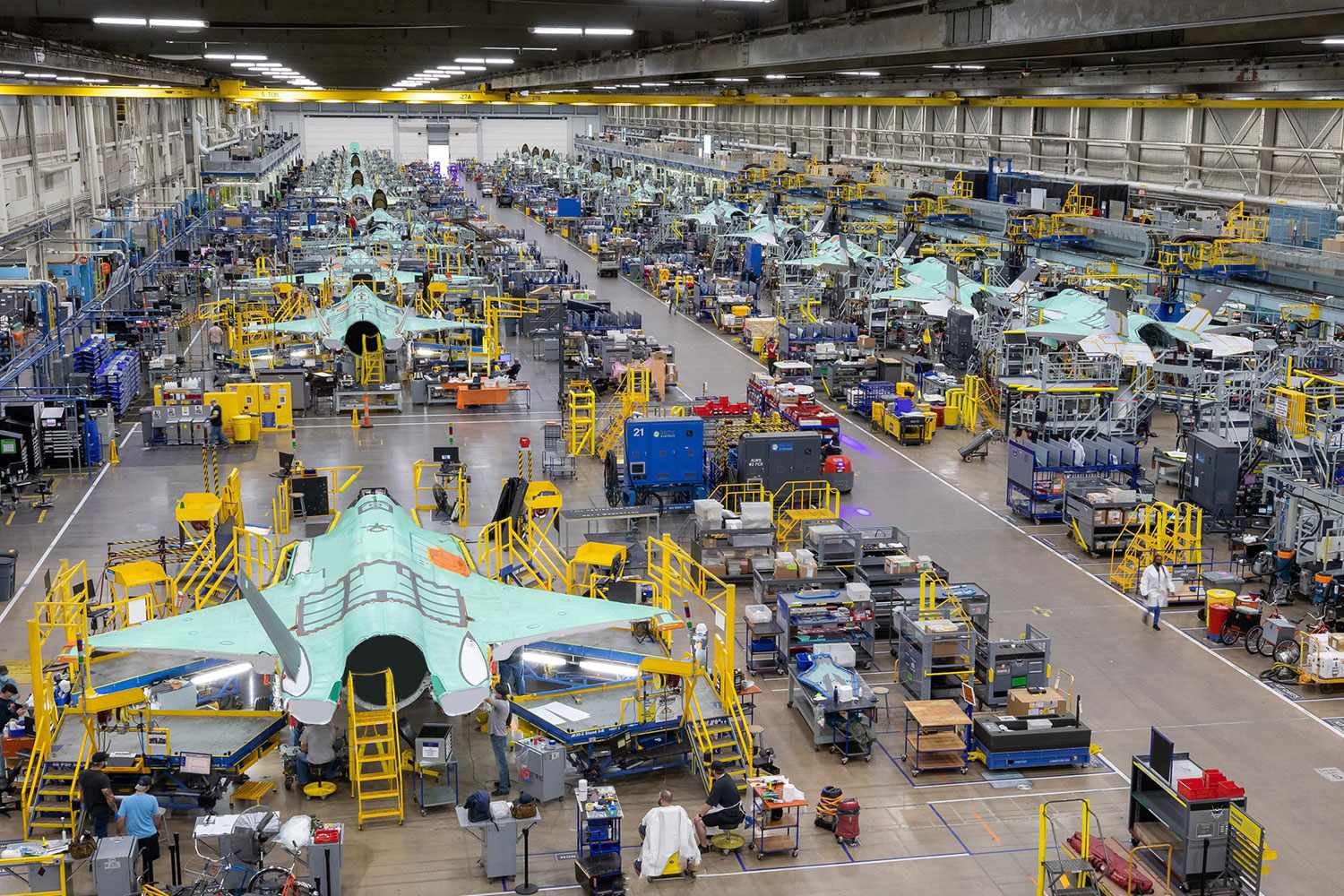
Members of IAM Union District 776, which represents about 5,000 workers involved in F-35 production, have opened contract negotiations with Lockheed Martin at the company’s Fort Worth facility in Texas.
The talks formally began on March 26 and will cover employees working on the F-35 program as well as personnel assigned to test and support roles at U.S. military bases. The current labor agreement is set to expire on June 14.
Union leaders said their goal is to secure improved terms reflecting the scale and complexity of the work performed on the fifth-generation fighter program. Key demands include higher wages, increased employer contributions to retirement plans, and measures to limit healthcare costs.
Follow us: WhatsApp | BlueSky | Google News | Instagram | LinkedIn | Facebook
“Our membership here at Lockheed Martin manufactures the best next-generation fighters for the U.S. military and militaries across the globe,” said IAM District 776 President Doyle Huddleston. “An agreement for the membership, their families, and communities must be as strong as the products they produce.”
The Fort Worth site is the main production hub for the F-35, the most widely deployed fifth-generation fightercurrently in service. The program supports a broad industrial base, with roughly 250,000 jobs and nearly 2,000 suppliers across the United States and Puerto Rico, according to union data.
The negotiations take place at a sensitive moment for the aerospace industry. Labor disputes have intensified in recent months, including strikes involving other union districts at Boeing facilities, raising concerns about potential disruptions across key manufacturing programs.
IAM officials said the bargaining team has undergone months of preparation, including contract strategy and negotiation planning, and has gathered input from workers through surveys and town hall meetings.
Lockheed Martin has not publicly detailed its position ahead of the negotiations, but any prolonged dispute could have implications for F-35 production rates, which are closely tied to U.S. and allied defense planning.
