


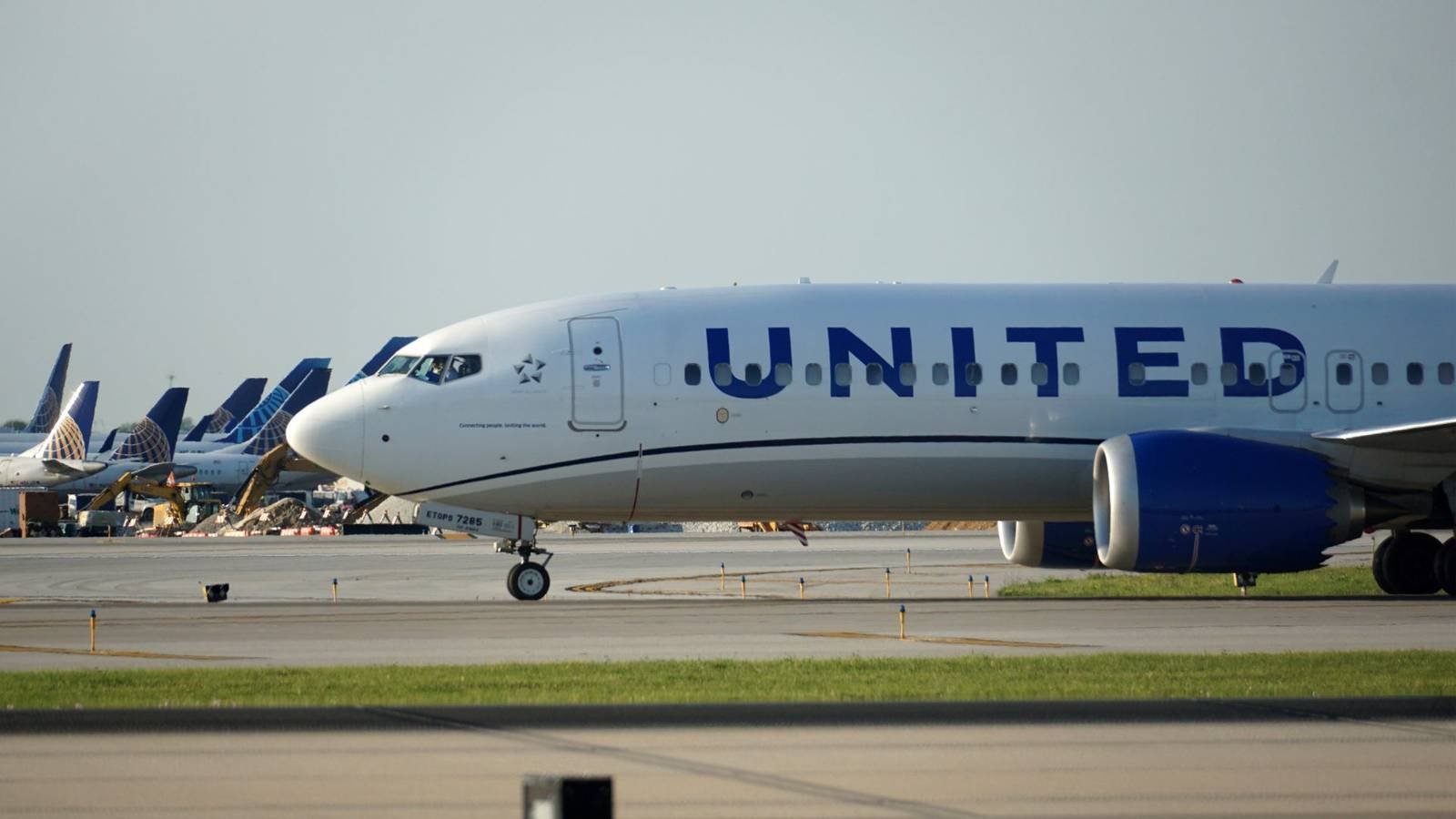
United Airlines has postponed the launch of several new regional routes from Chicago O’Hare International Airport (ORD), adjusting its schedule in response to ongoing federal air traffic constraints, according to a Patreon post. The changes, confirmed in early April 2026, affect routes that were originally due to begin in late April and early May. Most of the impacted services are now expected to start no earlier than June. The delays stem from Federal Aviation Administration measures aimed at reducing congestion at one of the busiest hubs in the United States.
These routes were part of United’s continued effort to strengthen connectivity between Chicago and smaller Midwestern cities. However, operational limits at O’Hare have forced the airline to prioritize existing services over new additions. While the routes have not been permanently scrapped, their future timelines remain uncertain. The situation reflects broader industry challenges linked to airspace capacity, staffing shortages, and infrastructure strain.
United Postpones Multiple Regional Route Launches From Chicago O’Hare

The affected routes include services to Bloomington Central Illinois Regional Airport (BMI), Champaign University of Illinois Willard Airport (CMI), Kalamazoo/Battle Creek International Airport (AZO), La Crosse Regional Airport (LSE), Lansing Capital Region International Airport (LAN), and Rochester International Airport (RST). These flights were expected to be operated primarily by regional partners using aircraft such as the Embraer E175, a common type for short-haul US routes. United has removed availability for these flights through May, effectively pausing their introduction. A few additional routes have also seen minor schedule adjustments of around one to two weeks.
Chicago O’Hare has been subject to FAA-imposed limits on hourly flight movements, particularly during peak travel periods, as part of an effort to reduce delays. United, which operates a major hub at the airport, has had to rebalance its schedule to comply with these restrictions. This often means prioritizing higher-capacity mainline routes over thinner regional services. As a result, smaller communities may temporarily lose out on direct connectivity to a key national hub. In a statement about restrictions at O’Hare, the FAA wrote:
“This level of operations is manageable given the current infrastructure and staffing resources available at ORD. FAA proposes adopting these same limits throughout the Summer 2026 Scheduling Season to prevent large-scale operational disruption while also allowing air carriers to operate within the airport’s demonstrated manageable capacity.”
FAA Capacity Limits Continue To Disrupt Airline Growth Plans

The FAA first introduced voluntary flight caps at O’Hare in 2023 to address chronic delays caused by air traffic control staffing shortages and heavy demand. These measures have since been extended multiple times, affecting airline growth plans across several seasons. United, as the airport’s largest carrier by departures, is particularly exposed to such limits. Adjusting route launches is one way the airline can remain compliant while preserving overall network stability.
Regional routes typically generate lower revenue per flight compared to long-haul or transcontinental services, making them more vulnerable during operational constraints. Airlines often redeploy aircraft and crew to routes with stronger financial returns when capacity is restricted. Additionally, pilot availability within regional carriers has been a persistent issue in recent years, further complicating expansion plans. These combined pressures make new short-haul routes harder to sustain in the current environment.
O’Hare remains a cornerstone of United’s global network, offering connections to over 200 destinations worldwide. Even small schedule changes at the hub can have ripple effects across connecting itineraries. For passengers in affected cities, alternative options may include nearby airports or connecting via other hubs such as Denver International Airport (DEN) or Washington Dulles International Airport (IAD). However, these alternatives often involve longer travel times and reduced convenience.

10% Flight Cuts: Why The FAA Is Stopping American & United ‘Overstretching’ Chicago O’Hare
FAA moves to scale back peak operations at Chicago O’Hare, prompting schedule adjustments as airlines respond to capacity concerns.
Regional Connectivity Impacted As Smaller Cities Face Delays

Several of the cities impacted by these delays previously had limited or no nonstop service to Chicago, making these routes particularly significant for regional mobility. Business travel, university connections, and medical access are among the key drivers of demand in these markets. The temporary absence of direct flights could therefore have localized economic implications. United may reassess demand levels before confirming new launch dates later in the year.
Historically, O’Hare has undergone multiple modernization programs, including runway reconfigurations designed to improve efficiency and reduce delays. While these upgrades have delivered benefits, they have not fully resolved congestion during peak times. Looking ahead, improvements in air traffic control staffing and technology could ease current constraints. Until then, airlines are likely to continue making tactical adjustments to their schedules.
For now, United’s delayed routes remain part of its broader network strategy, but their exact timing will depend on regulatory conditions and operational capacity. Travelers should expect further schedule updates as summer approaches.
