


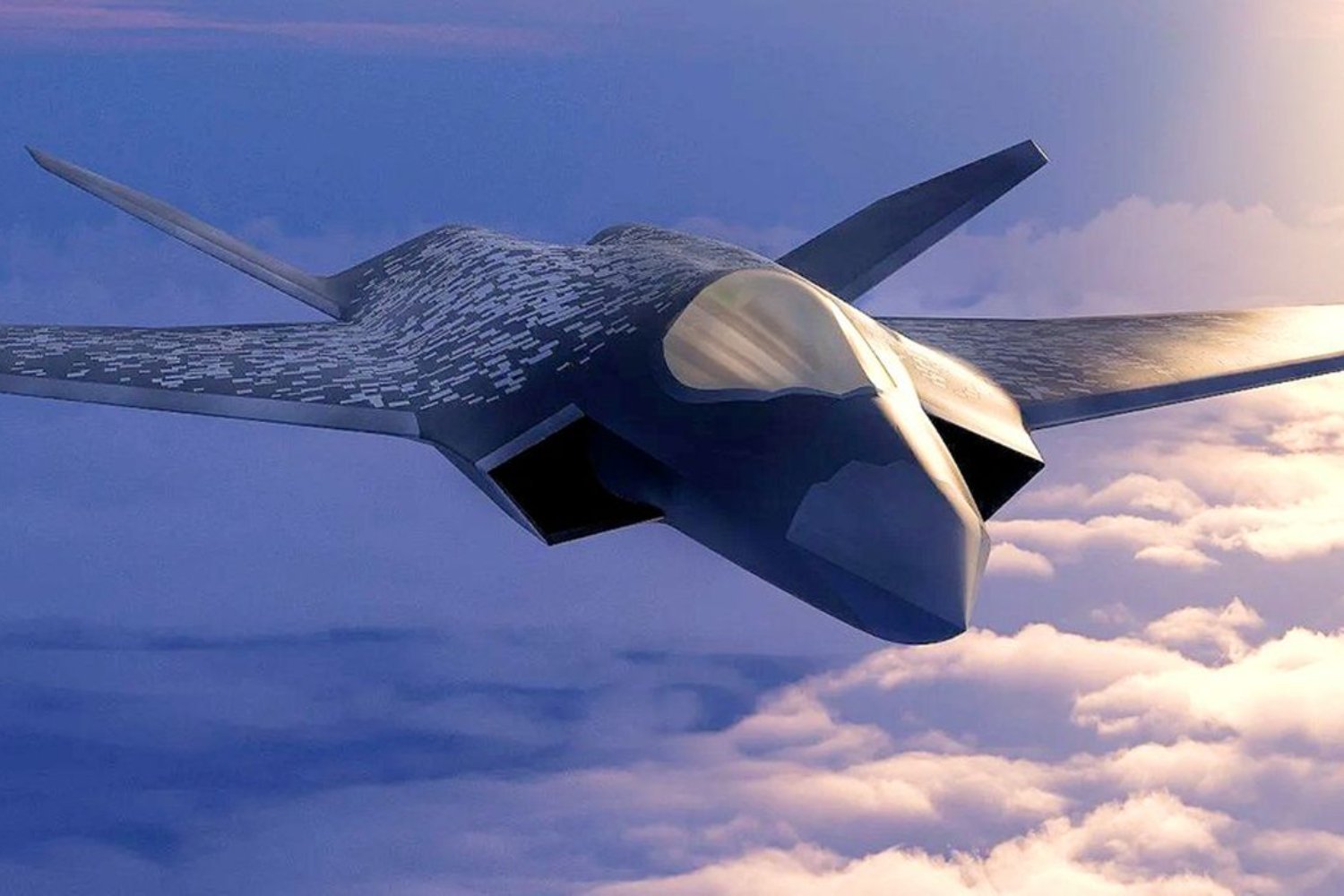
Dassault Aviation CEO Eric Trappier said he is giving partners in the Future Combat Air System (FCAS) program two to three weeks to reach an agreement, as tensions continue to stall progress on the European fighter project.
Speaking at the War & Peace security conference in Paris, Trappier said discussions remain unresolved and raised concerns over leadership within the multinational effort.
“We are giving ourselves two-to-three weeks to try and find an agreement,” he said, according to Reuters, adding that while there is broad political backing for a stronger European defense framework, disagreements persist over who will lead the program.
Follow us: WhatsApp | BlueSky | Google News | Instagram | LinkedIn | Facebook
FCAS is a joint initiative led by France, Germany and Spain to develop a next-generation air combat system centered on a sixth-generation fighter, known as the New Generation Fighter (NGF), alongside unmanned systems, advanced sensors and a connected combat cloud.
The project, estimated at around €100 billion, has faced repeated delays tied to industrial and political disputes. At the core of the tensions is the division of work between Dassault Aviation, which leads development of the fighter aircraft, and Airbus, representing German and Spanish interests.
Dassault has argued for clear authority over the fighter’s design, citing its experience with programs such as the Rafale. Airbus, in turn, has pushed for a more balanced distribution of responsibilities, reflecting the multinational nature of the project.

These disagreements have slowed progress on key phases of development, including the transition to demonstrator programs that are needed to keep the timeline on track.
FCAS is intended to enter service around 2040, replacing France’s Rafale and Germany and Spain’s Eurofighter Typhoon fleets. However, continued delays risk pushing that timeline further, at a time when competing efforts such as the UK-led Global Combat Air Programme (GCAP) are advancing in parallel.
