


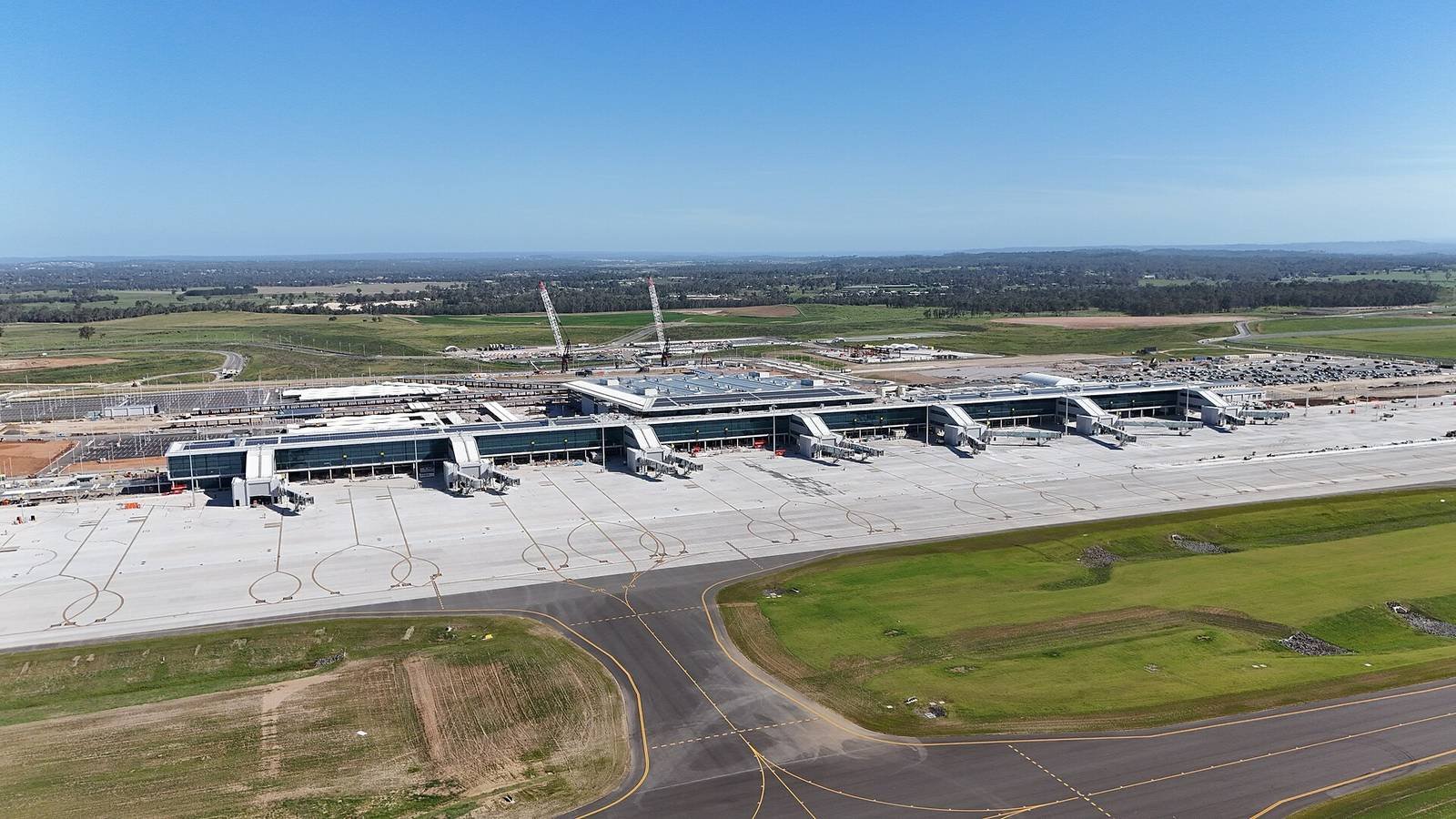
Australia’s answer for Ryanair could one day be taking to the skies, with a former Qantas executive suggesting that his idea of Zinc Airlines could revolutionize budget air travel down under with a fleet of Airbus A321neos, and plenty of capacity from the new Western Sydney International Airport (WSI).
Peter Kelly, who used to run the Qantas frequent flyer program, has had decades of experience in the airline industry, having previously worked for the Australian flag carrier, also running Ansett’s Golden Wings Club. Kelly is now calling for up to AU $200 million ($143 million) to fund his new airline, Zinc.
Australia’s Answer For Ryanair: Zinc Airlines
The airline, currently named Zinc, is set to be modeled on the highly successful European ultra-low-cost carrier Ryanair, with Kelly claiming that this could finally be the answer to break the Australian aviation monopoly, which has been dominated by Virgin Australia and Qantas for decades. Many airlines have tried and failed, with the most recent being RexAirlines and Bonza.
Zinc would be making the most of Western Sydney, with the airport being the first opportunity for an airline to break into the Sydney market without the trap of acquiring slots at the country’s busiest airport,  Sydney Kingsford Smith Airport (SYD). Additionally, it would model planes operating 12 hours a day minimum, with it suggesting it would run services that aren’t restricted to strict airport curfews.
Kelly has stated to the Australian Financial Review that should the carrier become airborne, it would first focus on the country’s biggest cities, Brisbane, Melbourne, and Sydney, before venturing to the Gold Coast.
Utilizing The Airbus A321NEO For 12 Hours A Day Minimum

An integral part of the airline’s ambitions would be to fly the A321neo and have base fares lower than those of Qantas low-cost subsidiary Jetstar. Kelly would initially be looking for an investment of AU $100 million ($71 million) to cover aircraft deposits and operations leading up to a launch, and then a further AU $100 million ($71 million) to be raised in debt.
The A321neo, should it be modeled on the Ryanair service offering, could accommodate a total of 244 passengers in a single class layout at a high-density configuration. Additionally, like most budget carriers, the cost of checked luggage, seat selection, priority boarding, and other services onboard and at the airport would likely be charged with an additional fee on top of the base fare paid.
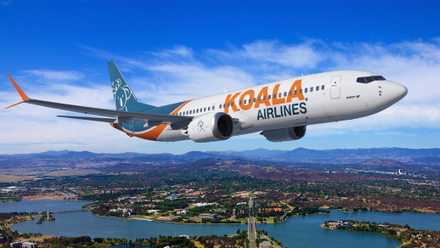
At present, there is no set date for when Zinc could commence operations. It would not be the only airline being planned to take on the Australian aviation duopoly, with Koala Airlines, the idea of Bill Asting, already having secured three Boeing 737s, with plans to also operate across the Australian continent.
What Do You Make Of Australian Startup Koala Airlines?
Koala Airlines is a new entrant to the Australian aviation market, aiming to carve out a niche with a focus on low-cost, eco-friendly travel. Founded in 2022, the airline is one of several new startups hoping to disrupt the competitive and often volatile aviation industry. While its ambition is clear, Koala Airlines enters a market with a history of similar ventures, many of which have struggled or failed to establish themselves.
Despite the challenges, Koala Airlines has attracted attention with its plans for sustainability, modern fleets, and a customer-friendly approach. However, the question remains – can Koala Airlines avoid the fate of other failed startups in Australia’s airline industry, or will it face the same obstacles? Share your thoughts in the comments!
This is user-generated content. The views and opinions expressed here are not necessarily those of Simple Flying.
Western Sydney International Airport Is Opening Doors

As already mentioned, a major part of Zinc’s potential success is the opening of Western Sydney International Airport. The airport, located in Sydney’s west (hence the name), is on the outskirts of Penrith and will be the only airport in Greater Sydney to run without a curfew. Currently, Sydney Kingsford Smith is limited to only operating between 6:00 AM and 11:00 PM, meaning the availability for slots at the country’s biggest airport is fierce.
Western Sydney would be able to fly without the slot scarcity and peak hour suggestion currently impacting SYD, paired with an ongoing gate shortage and high structural barriers for new airlines to enter the market. WSI would, on the other hand, alter this dynamic, with unconstrained access to the Sydney market, of which the city is home to more than five and a half million people. The new airport’s details are below:
Airport Official Name | Western Sydney International (Nancy Bird Walton) Airport |
|---|---|
IATA Code | WSI |
ICAO Code | YSWS |
Location | Luddenham (27 miles / 44 kilometers from Sydney’s CBD) |
Opening | October 2026 |
Runway | 05/23 – 12,139 feet (3,700 meters) |
Airlines Already Confirmed At WSI |
|
At present, the Qantas Group and Virgin Australia demand more than 98.8% of the entire Australian domestic passenger market, which makes it difficult for other airlines to compete. However, should Zinc eventually come to fruition, the airline plans to keep fares as low as possible and fly its planes as frequently as possible by making sure they return to the same place every night.
Zinc is yet to gain certification from the Australian Civil Aviation Authority, and has yet to appoint any advisers to commence fundraising.
