


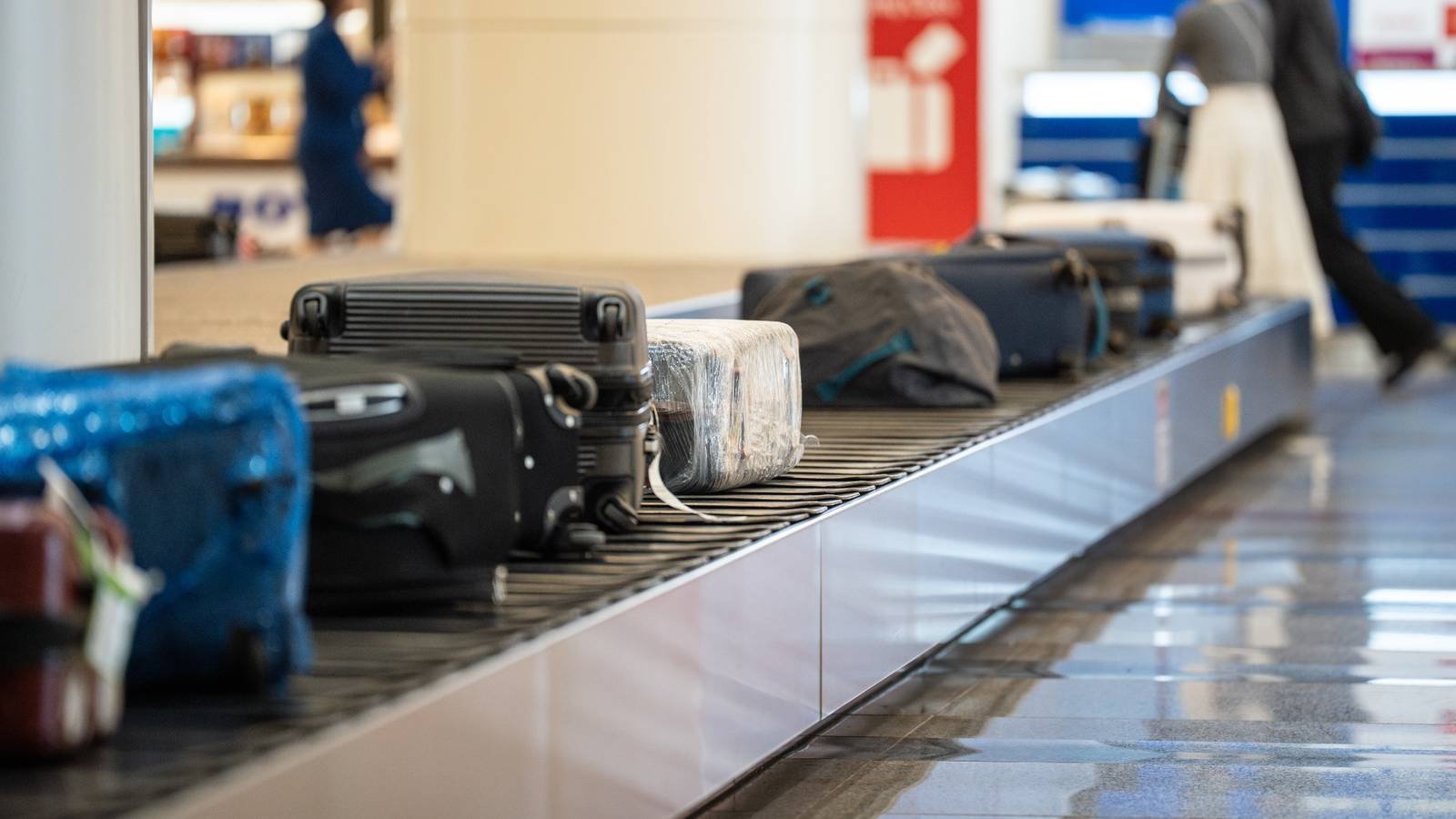
Operator of the WorldTracer airliner baggage tracking system, SITA, has reported a stunning 90% reduction in unrecoverable bags since integrating with Apple AirTag Find My ‘Share Item Location.’ The interoperability with AirTags was introduced in late 2024, and SITA’s analysis of the first 29 airlines to opt in shows a remarkable success rate.
SITA’s 2026 Baggage IT Insights report explains how the new software can close the gap in baggage handling performance that currently costs airlines $6.3 billion globally. While the rate of mishandled bags has been trending down steadily year over year, bridging consumer tracking technology and industry-standard IT architecture has delivered the single greatest improvement.
Building A Digital Bridge Between The Airlines And Customers
The WorldTracer system developed by the IATA in joint with SITA does not exclusively integrate with Apple products but also includes Google Find Hub to support Android OS tracking devices. It all starts with the passenger in a process controlled by the customer that guarantees both the security of their tracking data and timely updates from the process.
Both the Apple and Google mobile applications allow users to share a temporary web URL with the airline that will allow them to input that to WorldTracer, which populates a wealth of data. Once the baggage handler or customer service agent has the WorldTracer file for the passenger’s tracking device, they can get precise geolocation data cross-referenced against airport blueprints.
The system will identify exactly where the bag is, down to the terminal, room, and even bag cage on a live global map overlay on the airline representatives’ computer screen. Following the impressive effectiveness the system showed for the first carriers, the number of airlines now using the system has climbed to more than 50, according to Deep Arrival.
Aviation World quoted Nicole Hogg, Portfolio Director, Baggage at SITA, remarking on the successful integration of Apple Share My and Google Find Hub with WorldTracer:
“What we are seeing is a move from manual tracing to clearer, data-supported recovery. When passengers choose to share their bag’s location, airlines gain insight at the moment it matters most. This reflects how baggage recovery is becoming more transparent, more collaborative, and more precise.”
Catch what other flight trackers miss
Emergency squawks, holds, NOTAMs — live signals, no signup.
Open tracker
Catch what other flight trackers miss
Emergency squawks, holds, NOTAMs — live signals, no signup.
Open tracker
Take 15% Off The Top: The Cost Of Lost Bags

The dramatic improvement in bag recovery is not only a major success for unlucky travelers who experience mishandling, but also promises to greatly improve the bottom line for air carriers around the world. SITA reports that European airlines are among the most affected by the cost of lost baggage because the region experiences the highest rate of mishandling and is subject to some of the highest customer compensation costs.
SITA estimates that the $6.3 billion annual cost of lost bags accounts for 15% of the industry’s total profits of $41 billion in 2025. This cost is one of the largest drains on operational revenue for air carriers worldwide, which operate on razor-thin margins every year, compounded by exceptionally high fuel costs and unstable geopolitical conditions.
Europe holds the top spot as the world’s most vulnerable region, suffering from a high mishandling rate of 10.5 bags per 1,000 passengers and a recovery cost of $295 per bag. The primary reason why European air carriers suffer the most is that 39% of all global baggage delays happen during transfers. As many travelers are transferring between international carriers at one of the many giant mega hubs in Europe, the risk is very high every day.
TSA PreCheck Touchless ID Gets Major Expansion With New Google Wallet Option
TSA PreCheck Touchless ID is available at 65 airports nationwide and supports more than 100 participating airlines
Modernizing The Way Bags Fly

The older average age of airports in Europe versus Asia is one of the highest contributing factors to the starkly different mishandled baggage rates. Compared to 10.5 in Europe, the lost bag rate in Asia is just 3.4 per 1,000 bags. The newer airports across the Asia Pacific region have much more advanced luggage handling systems, as they were built decades later. An excellent example is Kansai International Airport (KIX) in Japan, which has never lost a bag since the day it opened in 1994.
As SITA CEO David Lavorel observed, European airports are operating closer to their physical limits every year, and “the answer isn’t always more concrete.” Integrating user-level, consumer-grade tracking devices with the industry-wide IT system that manages baggage handling across the globe helps to bypass this infrastructure limitation for European operators. SITA is planning to take us to the next level with artificial intelligence and predictive algorithms to help “get more out of the airports we already have,” as Lavorel put it.
