


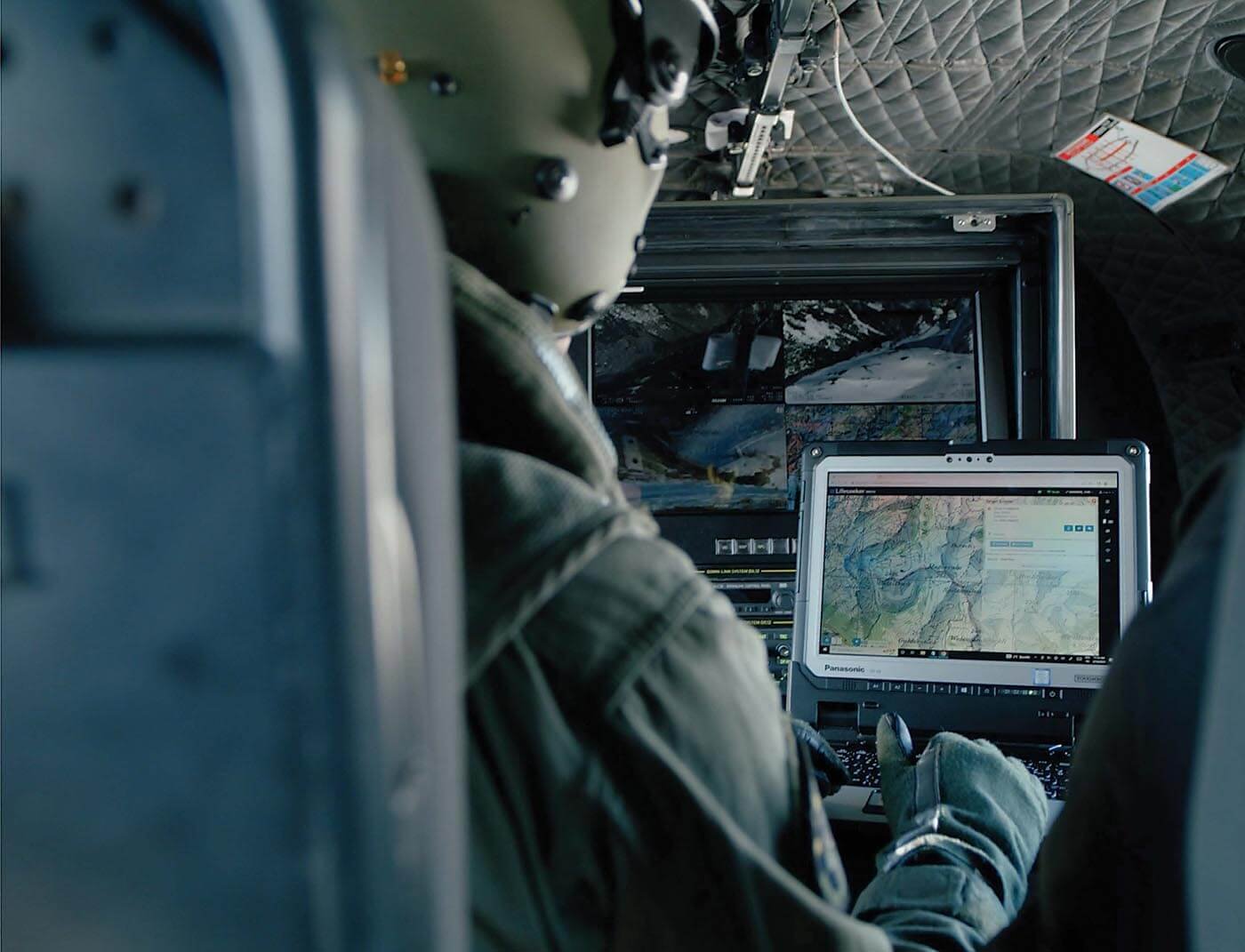
When a 79-year-old woman veered off the road and down a steep slope while driving through the countryside of Moutier, Switzerland, she was left unconscious in her wrecked vehicle, which was completely hidden from view.
Due to heavy snow accumulation in the area, locating the woman using traditional search methods would have proven extremely difficult.
Aboard a Swiss Air-Rescue Rega helicopter, crews were using CENTUM’s Lifeseeker system. Within minutes, the technology detected the signal from the woman’s mobile phone and pinpointed her location with impressive precision.
Rescuers were able to reach her quickly and transport her to hospital to receive the care she needed.
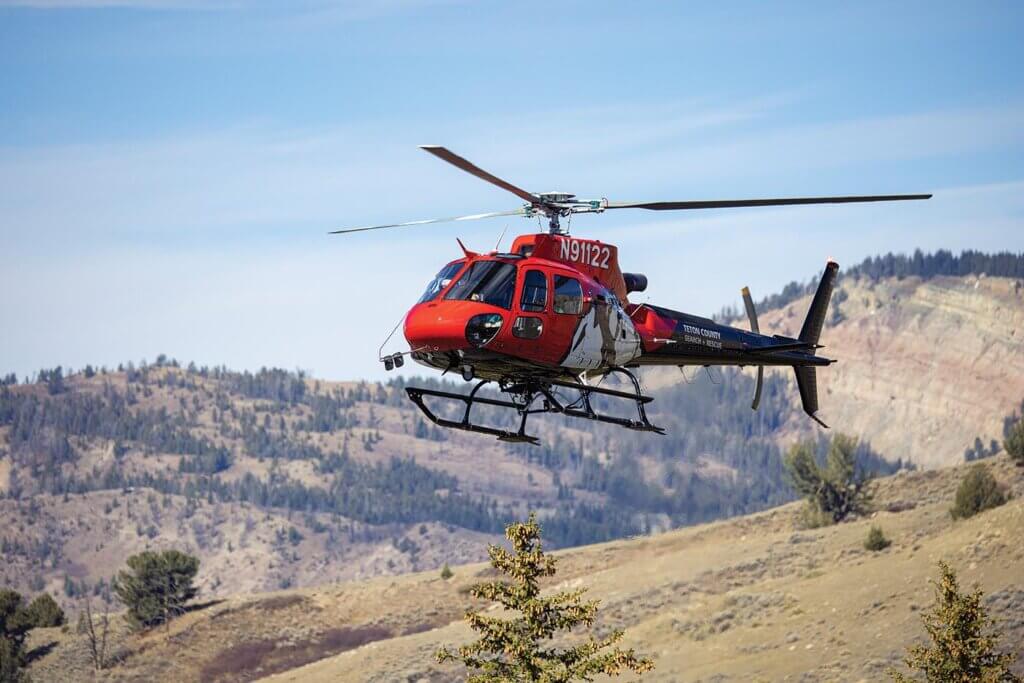
For Spain-based CENTUM, missions like this highlight the real-world impact of Lifeseeker, the company’s airborne mobile phone location system designed for search-and-rescue, law enforcement, and other public safety operations.
“Lifeseeker has been designed with a clear focus on real operations, making sure it delivers reliable results when teams need it most,” said Héctor Estévez, CEO of CENTUM.
The system works by detecting and geolocating mobile phones from the air in coverage areas of 5G and below, including areas with no cellular coverage at all.
Lifeseeker uses a multichannel architecture that enables faster detection and more accurate geolocation, helping crews reduce overall mission times. Lifeseeker can pinpoint a person’s location to within five meters (15 feet) in less than 30 minutes — and in many cases, under 15 minutes.
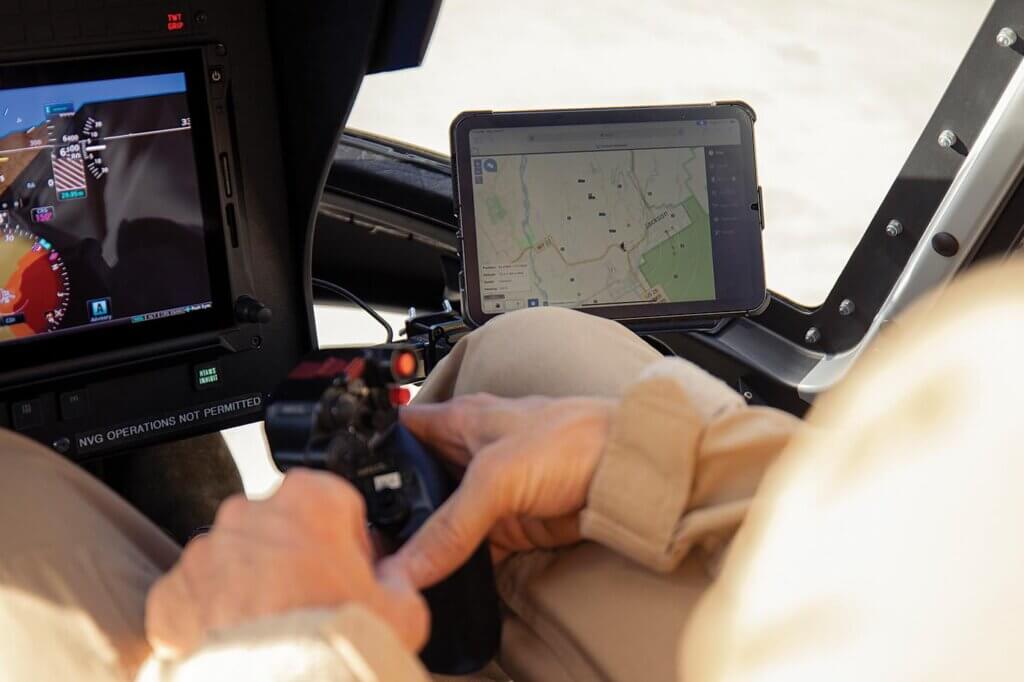
Designed for operational flexibility, the system is available in several configurations suitable for helicopters, fixed-wing aircraft, and unmanned aerial vehicles (UAVs). The lightweight Lifeseeker Mini is a two-pound (approximately one kilogram) solution built for UAVs and rapid deployment scenarios; the larger Lifeseeker SAR S10 is designed for short to mid-range missions up to 18.6 miles (30 kilometers); and the Lifeseeker SAR XL S10 is designed for maritime or long-range operations up to 31 miles (50 kilometers).
The technology can operate as a stand-alone system or be integrated directly into an aircraft’s Mission Management System.
CENTUM said Lifeseeker is designed for ease of use, with crews requiring only a few hours of training before becoming mission-ready. The system features a web-based interface that can be operated remotely, and enables operators to conduct missions through a guided, step-by-step process — an approach particularly valuable for public safety organizations with rotating crews or varying levels of operational experience.
The company also provides the CENTUM Desk platform for technical support, incident tracking, reporting, and operational follow-up.
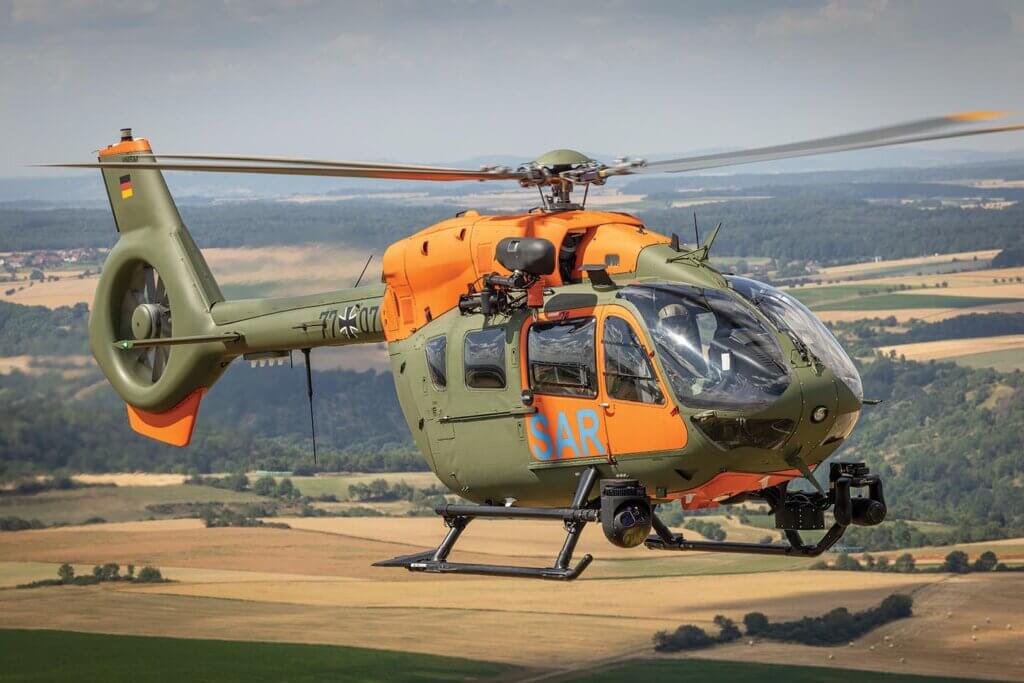
Lifeseeker is currently utilized on a variety of aircraft platforms, including the Airbus H125, H135, and H145; Bell 412 and 429; Leonardo AW139 and AW109; and Sikorsky Black Hawk, among others. Line-fit integration is currently available on the H145 platform, with additional integrations already underway.
To date, Lifeseeker has been a vital part of over 1,000 successful missions with more than 50 civilian and military operators across the globe. Estévez said CENTUM’s close collaboration with end users has been, “key to developing a system that truly fits the needs of public safety, and delivers strong operational performance when it matters most.”
This sponsored article was developed by Insight magazine, the sponsored content division of MHM Publishing, on behalf of CENTUM.
