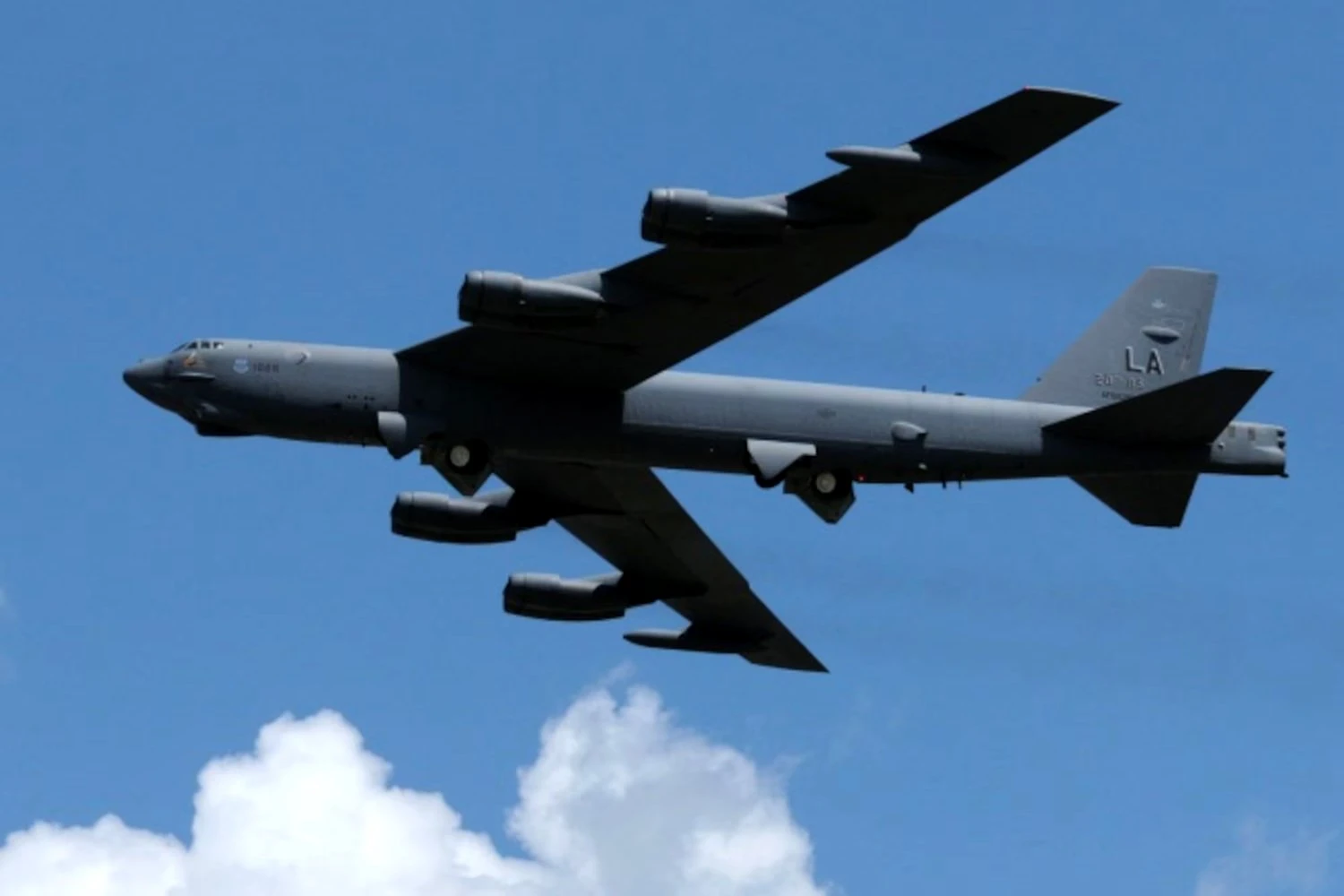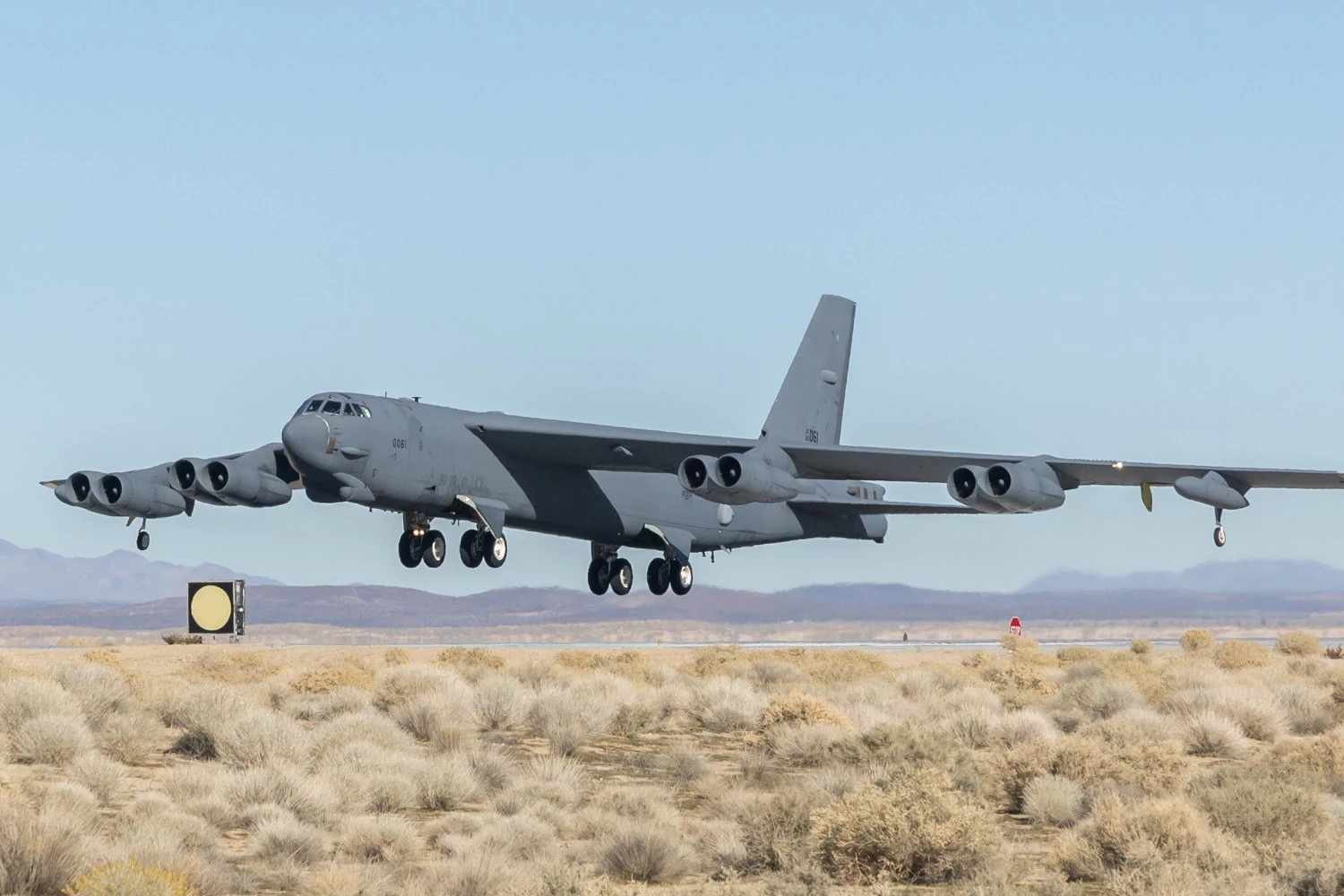
A U.S. Government Accountability Office (GAO) report has raised concerns about cost growth and schedule risks affecting the U.S. Air Force’s effort to modernize the B-52 Stratofortress, a package of upgrades now valued at about $21 billion.
The report focuses on 13 modernization programs intended to keep the bomber in service into the 2050s, including new Rolls-Royce F130 engines, an active electronically scanned array (AESA) radar, updated communications systems and nuclear weapons integration.
According to the GAO, the Commercial Engine Replacement Program (CERP) accounts for more than $15 billion of the total investment after its estimated cost increased by more than 38%. The watchdog said the Air Force plans to begin production before completing flight testing, increasing the risk of additional redesign work and higher costs if technical issues emerge.
The report also points to difficulties with the Radar Modernization Program, which triggered a Nunn-McCurdy breach after cost growth forced the Air Force to reduce performance requirements in order to keep the effort viable.
The radar program suffered another setback in June when the first B-52 equipped with the new Raytheon radar crashed shortly after takeoff from Edwards Air Force Base, killing all eight crew members. The aircraft had been serving as the primary flight-test platform for the radar upgrade. Earlier this week, the Air Force confirmed that a second B-52 is being modified to resume the certification campaign later this year.
Follow Air Data News: WhatsApp | Instagram | LinkedIn | Twitter | Facebook
Despite the concerns, the Air Force told the GAO that delaying the modernization effort would create greater operational risks because the bomber’s Pratt & Whitney TF33 engines have become increasingly difficult to support. The report notes that sustainment of the legacy engines relies heavily on parts recovered from retired aircraft and warns that maintenance demands will continue to increase without the new propulsion system.
The GAO issued six recommendations intended to reduce technical and acquisition risks, including a review of production decisions and stronger integration planning across the modernization effort. The Air Force agreed with five recommendations and partially concurred with one concerning the engine replacement schedule.