


This story is from an installment of The Oeno Files, our weekly insider newsletter to the world of fine wine. Sign up here.
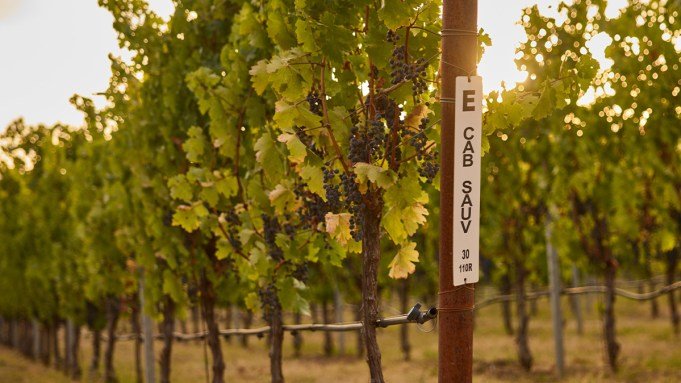
With all the talk about vineyard diversity, it’s a change of pace to hear winemakers speak about single-clone Cabernet Sauvignon. Advantages of cultivating a single clone include uniform ripening and flavor profile and consistent tannin and acidity levels, which allow for greater control over the final wine. Of course, there are risks to this single-mindedness, including susceptibility to pests or weather conditions that could wipe out an entire crop, but for many winemakers the benefits of producing a great, tailor-made wine outweigh the potential drawbacks.
“One of the best things about making a wine from a single clone is that when you have the chance to taste several vintages in a row of a single clone from a single vineyard, you really gain a much deeper, sensory experience of the nuanced differences each vintage brings,” says Alison Rodriguez, winemaker at Napa Valley’s Silverado Vineyards. Rodriguez makes a wine called Solo that is a single-varietal, single-clone, single-vineyard version of Cabernet Sauvignon made with the Heritage Disney Silverado Clone, named for the estate and its previous owners, Lillian Disney, widow of Walt Disney, and their daughter Diane Disney Miller. It was one of three clones that was determined by researchers at UC Davis to contribute to the character, texture, and aroma of Napa Cabernet Sauvignon in the late 1980s when vineyards were being replanted due to phylloxera; Rodriguez explains it was “cherished for its beautiful fruit purity, its clear expression of bright, red cherry fruit, and its incredible persistence and length on the palate.”
Quilceda Creek Winery in Snohomish, Wash., produces three single-clone bottlings of Cabernet Sauvignon from its estate vineyards in the Columbia Valley. Its Palengat Cabernet Sauvignon is made using Clone 685, and its Tchelistcheff Cabernet Sauvignon utilizes Clone 412, both planted in the Mach One Vineyard in Horse Heaven Hills AVA, while its Galitzine Cabernet Sauvignon is 100 percent Clone 8 cultivated in the Galitzine Vineyard in Red Mountain AVA. The Mach One vineyard was first planted to Cabernet Sauvignon in 2009, with Clones 685 and 412 chosen because they were considered virus-free at the time. “We were so impressed by the consistent, high quality of fruit that we worked with annually that we expanded the vineyard in 2015 to 2017 and again in 2020 to 2021,” Paul Golitzin, president and director of winemaking, tells Robb Report. “The plantings at Mach One vineyard were experimental, intended to explore how different clones would express themselves within the same site. They produced such distinctive, complete, and stand-alone wines that we chose to bottle them separately, each showcasing its own unique character and profile from the same vineyard.” In contrast, the Clone 8 plantings in the Galitzine Vineyard were always meant to be a stand-alone wine.
Some of Washington state’s finest
Quilceda Creek
Golitzin says using single clones allows him and the team at Quilceda Creek to make better wine. “By isolating individual clones, we’re able to understand and showcase the distinct character each one brings to Cabernet Sauvignon, rather than blending those differences away.” Across the Quilceda Creek portfolio, all fermentations are isolated by block and clone. Only the best tanks, representing the best of the vintage, are selected for its top bottlings. The Quilceda Creek vineyards are also non-grafted and own-rooted, which Golitzin believes enables each clone to express its character more directly. “This contributes to the distinctive, true-to-type character of our single-clone Cabernet Sauvignons, giving us an unusually clear expression of each clone and the site where it is grown,” he says.
Of course, making wine from a single clone has its difficulties. “When we make single-clone wines, especially block-designated wines, if you have a tough vintage, you can’t blend your way out of challenges such as over-ripeness or tannic structure,” explains Elizabeth Vianna, general manager and winemaker at Chimney Rock in Napa Valley. However, with vineyards planted to nine different clones of Cabernet Sauvignon, she has the luxury of being able to bottle several iterations of single-clone Cab each year, including Chimney Rock Clone 4 and Clone 7. Originally planted to create diversity and complexity in the vineyard, they were blended into the Estate Cabernet Sauvignon and proprietary red blend called Elevage. “Over time, we started to note different personalities of Cabernet Sauvignon within these different clones and blocks and found that these clones produced wines that could stand alone and tell different tales,” Vianna says. “The clonal distinction drove the development of our single-block wines.”
The Clone 7 planted at Chimney Rock is known as the Concannon Clone and is quite common in California. It is said this clone originates from Bordeaux’s Château Margaux cuttings brought to Livermore by Jim Concannon in 1893. Clone 4, meanwhile, has its roots in Mendoza, Argentina. While Clone 7 offers cherry and raspberry flavors and good tannic structure with great plush mouthfeel, Clone 4 is noted for more black-toned fruit such as blackberry and black currant and very age-worthy tannic structure.
Because of potential seasonal differences, work in the vineyard is an extremely important part of the process. “I ensure that we are growing it perfectly in the vineyards first and foremost, making sure that the grapes get just the right amount of balanced sunshine to soften the filigreed tannins that this clone is known for,” Rodriguez explains. For Solo, she works with 100 percent French oak barrels with staves aged for three years and medium toast to frame and elevate rather than dominate the pure expression of the fruit. “Making wine from a single clone can be challenging because you have fewer options in the end, so you have to get it right from the start with a final vision of your wine in mind from the beginning, when the growing season starts,” she says. “But I love a great challenge, and to me, that’s part of the fun.” Part of the fun for wine lovers is exploring these expressive Cabernet Sauvignons and discovering what makes them so special.
Do you want access to rare and outstanding reds from Napa Valley? Join the Robb Report 672 Wine Club today.
Authors

Mike DeSimone and Jeff Jenssen

