


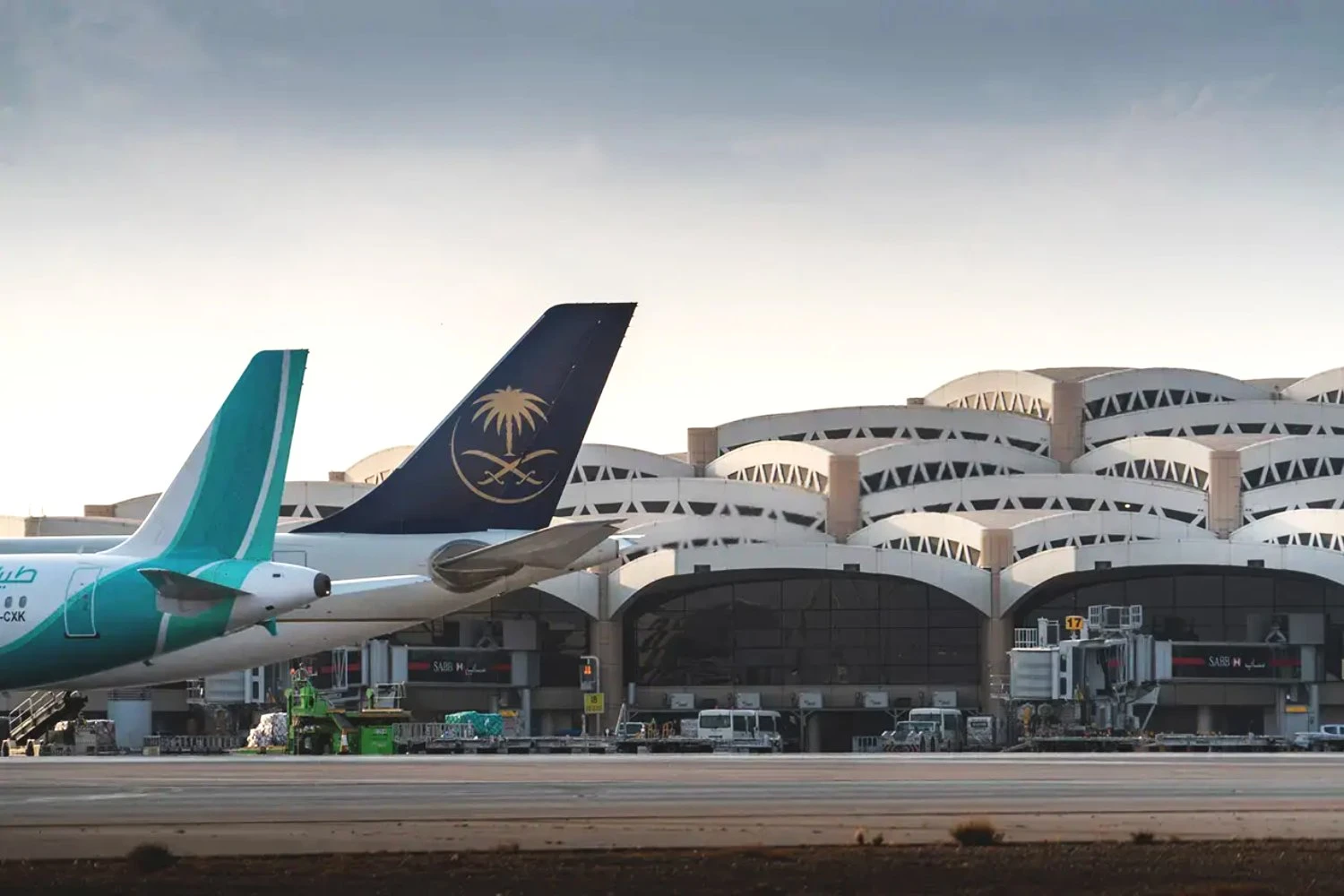
Riyadh’s King Khalid International Airport will remain closed until at least October 17 following a series of Houthi attacks, extending a disruption that has already resulted in hundreds of canceled flights across Saudi Arabia.
Saudi Arabia’s General Authority of Civil Aviation (GACA) extended the suspension of operations on Monday as inspections continue at the airport. A Notice to Airmen (NOTAM) currently keeps King Khalid International Airport closed until 21:00 UTC on October 17, or midnight local time.
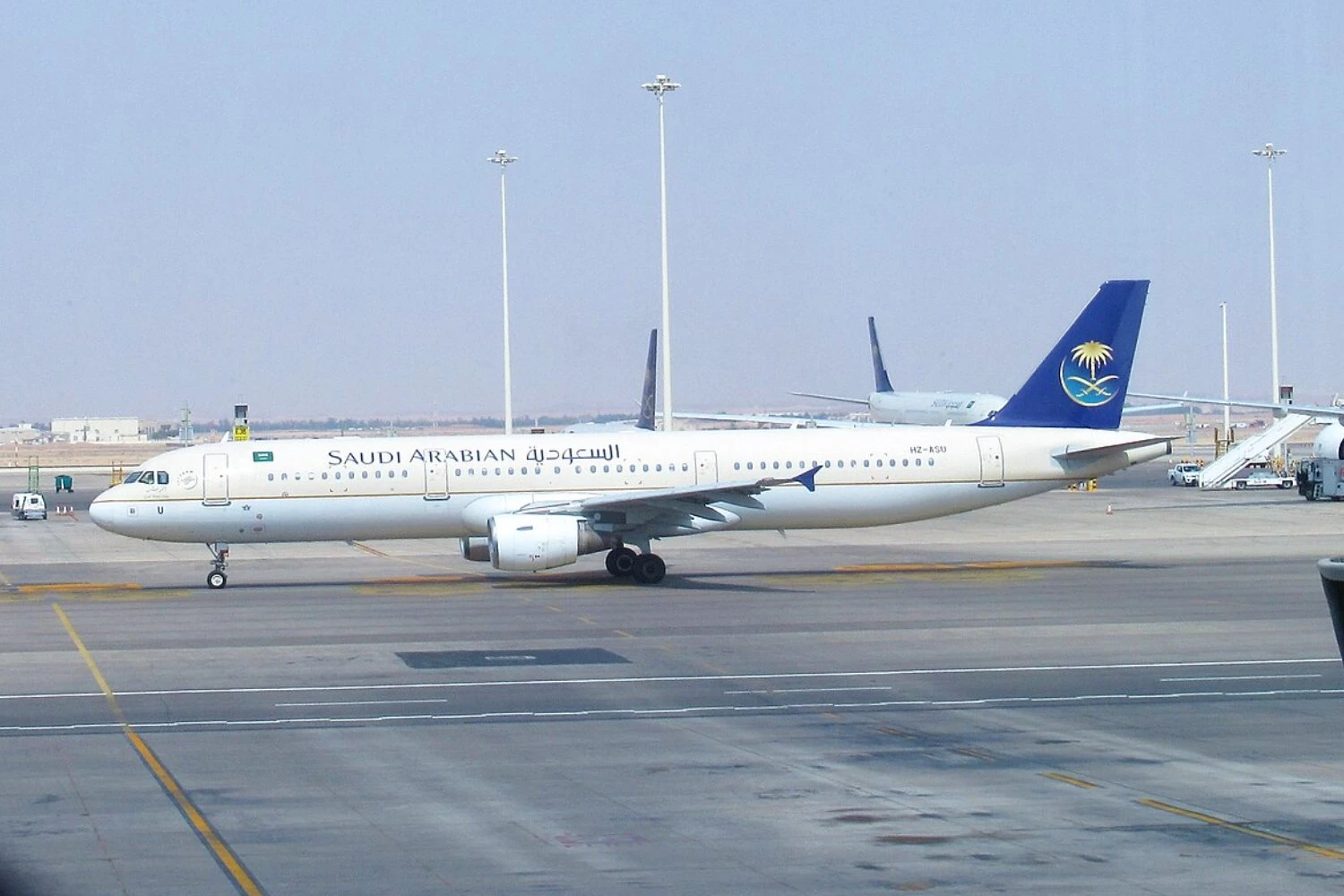
The closure follows attacks on the airport on October 10 and 11. Air Data News reported on Sunday that the strikes had caused casualties and extensive disruption after an earlier attack damaged a Saudia Airbus A320.
The operational impact has since increased substantially. Cirium data showed that 486 of 1,048 scheduled departures from Saudi Arabian airports on Monday had been canceled or had not operated as of 16:00 local time, equivalent to about 46% of the day’s schedule.
Follow Air Data News: WhatsApp | Instagram | LinkedIn | Twitter | Facebook
At King Khalid International Airport, almost all scheduled flights were canceled on Sunday. Flightradar24 data indicated that around 78% of Monday’s services had also been canceled as airlines continued to adjust their schedules.
Riyadh normally handles around 700 flights per day, making the prolonged closure one of the largest disruptions to Saudi Arabia’s air transport network in recent years.
Airlines extend suspensions
Several international airlines have extended cancellations beyond the immediate aftermath of the attacks, and some have suspended services for periods longer than the airport’s current closure.
Lufthansa Group airlines have suspended Riyadh flights through October 16, while Air France-KLM has canceled services to the Saudi capital through the end of the month. Philippine Airlines has extended its suspension until November 29.
Indian carriers are also affected. IndiGo suspended flights to Riyadh and Dammam through October 15, while Air India Express canceled Riyadh services through the same date.
Other Gulf airlines have reduced their Saudi operations. Flydub
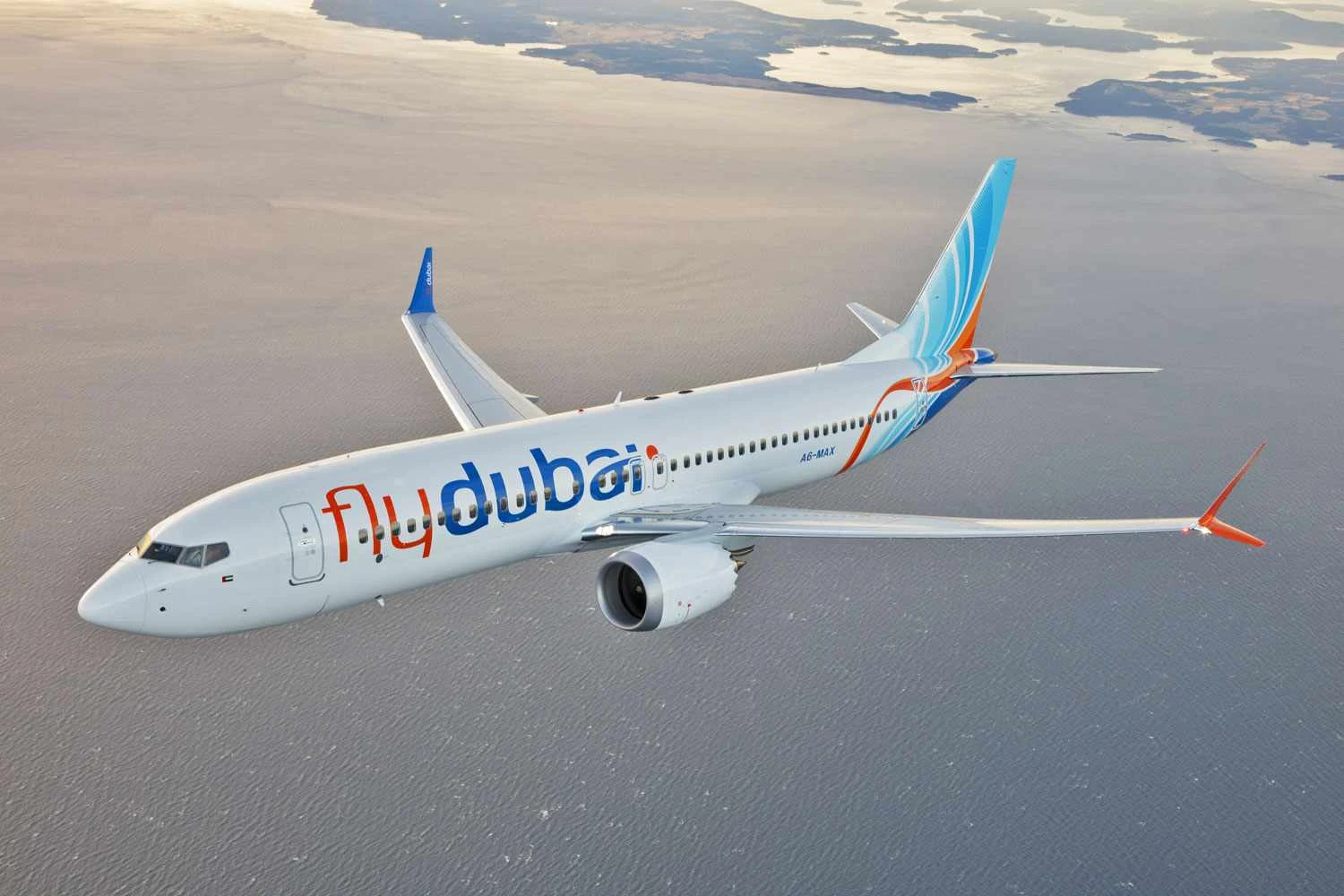
ai suspended flights to Riyadh, Dammam and Abha through October 14, while Etihad Airways temporarily halted services to Saudi Arabia.
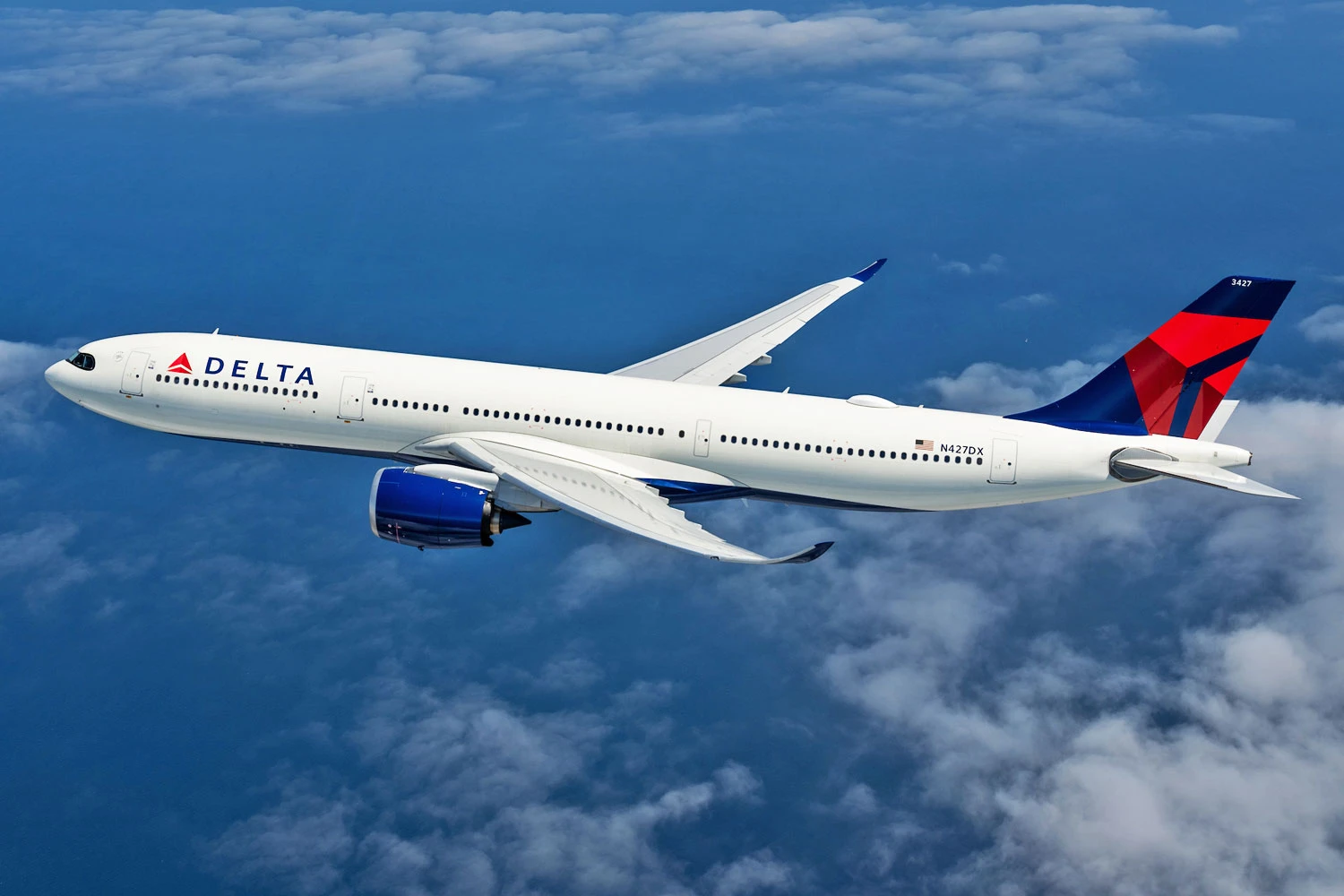
The disruption is also affecting services that had not yet started. Delta Air Lines postponed the launch of its Atlanta-Riyadh route until March 2027. The service would have given the US carrier its first regular passenger route to Saudi Arabia.
The continuation of cancellations after a potential reopening reflects a wider problem for airlines. Restoring schedules depends not only on the airport becoming operational again but also on security assessments, aircraft and crew positioning and restrictions affecting Saudi airspace.
Limited alternatives for passengers
Passengers stranded in Riyadh have few straightforward alternatives while King Khalid International Airport remains closed.
Jeddah and Dammam are the country’s other major international gateways, but they cannot provide a complete substitute for Riyadh. Airlines have also canceled services at other Saudi airports, and Dammam has been affected by the wider security situation.
Some flights originally bound for Riyadh have been diverted to other airports, but there is no general Saudi government program transferring passengers from the capital to alternative airports.
The United Kingdom’s Foreign, Commonwealth & Development Office (FCDO) has advised British nationals who need to leave Saudi Arabia to consider overland routes to neighboring countries where commercial flights remain available.
Possible routes include Bahrain, Kuwait, Qatar, the United Arab Emirates and Jordan, although travelers must check border conditions, entry requirements and the availability of onward flights before traveling.
The FCDO currently advises against all but essential travel to Saudi airports, with the exception of Medina, reflecting continuing uncertainty over air operations in the country.
For passengers whose flights have been canceled, arrangements remain dependent on individual airlines. Carriers have offered combinations of rebooking and refunds, but no common policy has been established for moving passengers through alternative Saudi airports.
Repeated attacks disrupt Riyadh operations
The prolonged closure follows several attacks against King Khalid International Airport. A strike on October 10 killed 13 people and injured more than 300, while another projectile hit Terminal 4 the following day, killing a Pakistani citizen and injuring 11 people.
The attacks came shortly after another incident damaged a Saudia Airbus A320 at the airport, increasing concerns about the ability to maintain regular commercial operations while the threat persists.
International aviation authorities have also responded to the deteriorating security environment. The Federal Aviation Administration (FAA) has warned US operators to exercise caution in the region, while the European Union Aviation Safety Agency (EASA) has issued information concerning risks to civil aviation in Saudi airspace.
The current NOTAM does not guarantee that King Khalid International Airport will reopen on October 17. Saudi authorities could extend the closure again if inspections or security conditions prevent commercial operations from resuming.
