


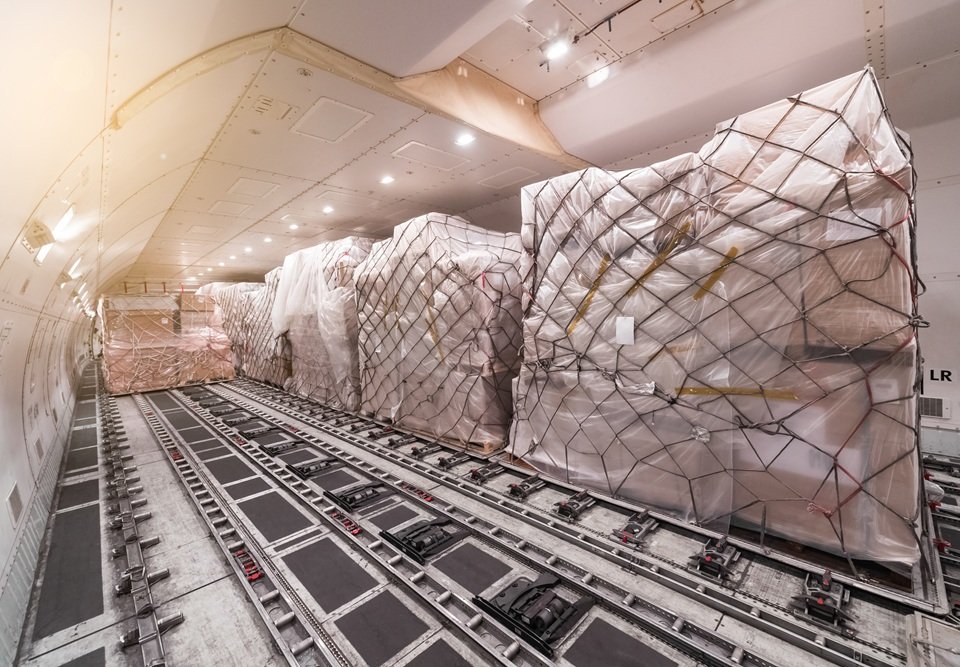
The latest Cirium Fleet Forecast has predicted the delivery of around 747 new freighter aircraft to customers over the next 20 years.
According to the executive summary of the forecast covering 2026-2045, there will be an overall projected annual growth rate of 2% for the global freighter fleet,
This is compared to an estimated 2.5% growth rate in the 2025-2044 Cirium Fleet Forecast.
At a time when there is high demand for widebody freighter capacity, Cirium noted that obstacles to aircraft production include supply chain bottlenecks, engine availability, extended certification timelines, cost pressures and geopolitical uncertainty.
The aviation analytics company said that these factors are “collectively limiting the pace at which capacity can be added”.
Looking at the vertical drivers for air cargo growth, Cirium said that e-commerce, high-value goods, time-sensitive logistics and special cargo are all fuelling demand.
Though, aside from capacity constraints, the company highlighted obstacles such as high fuel prices.
“The cargo outlook remains influenced by a different combination of drivers. E-commerce, high-value goods, time-sensitive logistics and special cargo continue to support dedicated freighter demand, while the economics of the sector remain exposed to fuel prices, international trade flows and the availability of belly-hold capacity,” it said.
“At the same time, supply-chain clusters are being reshaped to reflect an increasingly multipolar world, while more
restrictive trade policies are altering established trade flows and creating new patterns of sourcing, production and distribution.”
Stephen Burnside, global head of Cirium Ascend Consultancy, said: “The 2026 Cirium Fleet Forecast shows that long-term aircraft demand remains strong, but the pace of growth increasingly depends on the industry’s ability to deliver. Supply chain resilience, engine availability and scalable production will be critical to meeting demand from airlines as they seek to expand their networks and replace ageing fleets.”
