


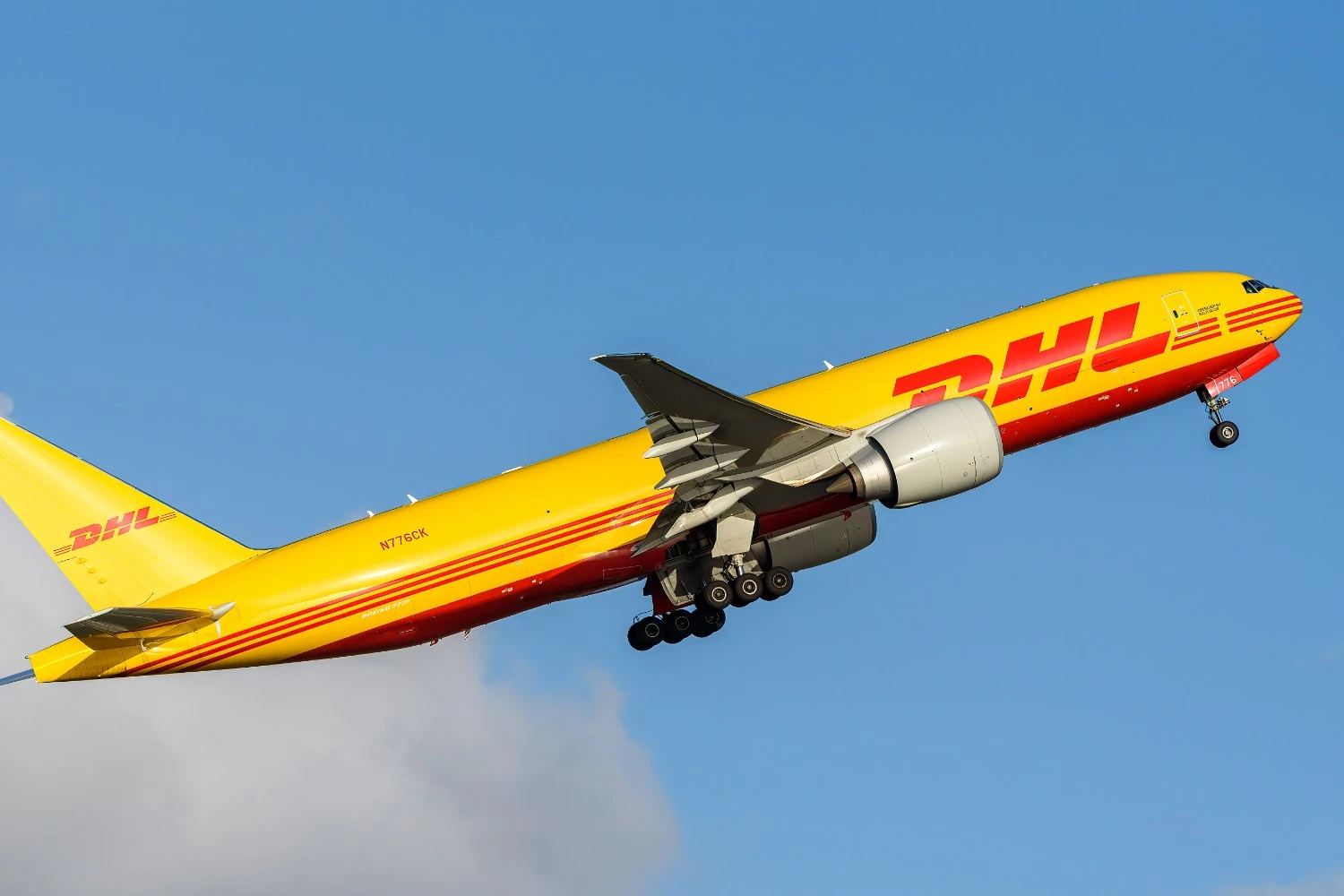
Production of the Boeing 777F has reportedly been halted for nearly two months after a dispute with a small supplier interrupted deliveries of a critical wing component, affecting a freighter that still has dozens of orders and recently received regulatory approval for production to continue through 2030.
Three Boeing employees familiar with the situation told Reuters that 777F production had not resumed by October 23 despite Boeing and Florida-based supplier Vaero reaching a settlement in late September. Boeing declined to comment on the production stoppage.
The dispute began in August, when Boeing filed a complaint alleging that Vaero had stopped supplying trailing-edge rib kits used in the wings of the 777F and 767. Boeing identified Vaero as the sole supplier of the component and said in court filings that the disruption could cost the company as much as US$6.5 million per day.
Without the parts, Boeing removed two partially assembled 777Fs from the final assembly line in Everett, Washington, according to Reuters. One of the aircraft was identified using IBA data as a future FedEx freighter.
Follow Air Data News: WhatsApp | Instagram | LinkedIn | Twitter | Facebook
The 767 program was also affected because it uses the same supplier for the component. Some parts have since reached the 767 line, while Boeing is reportedly working to bring production of the rib kit in-house.
The 777X is not affected by the shortage. The new generation uses a different composite wing, while the current 777F retains the aluminum wing derived from the 777-200LR.
21 deliveries this year
The interruption comes during a year in which the 777F has maintained a steady delivery flow. Boeing delivered 20 aircraft through September and a 21st freighter in October.
For comparison, Boeing delivered 35 777s in 2025. With passenger versions of the current-generation 777 no longer in production, those deliveries consisted of freighters.
Some additional 777Fs could still be handed over before the end of 2026 because their wings were assembled before the supplier dispute, according to employees cited by Reuters.
Demand for the aircraft has also continued despite the approaching transition to the 777-8F. Boeing had 38 unfilled 777F orders at the end of September, after two deliveries during the month were offset by a new order from Ethiopian Airlines for two aircraft.
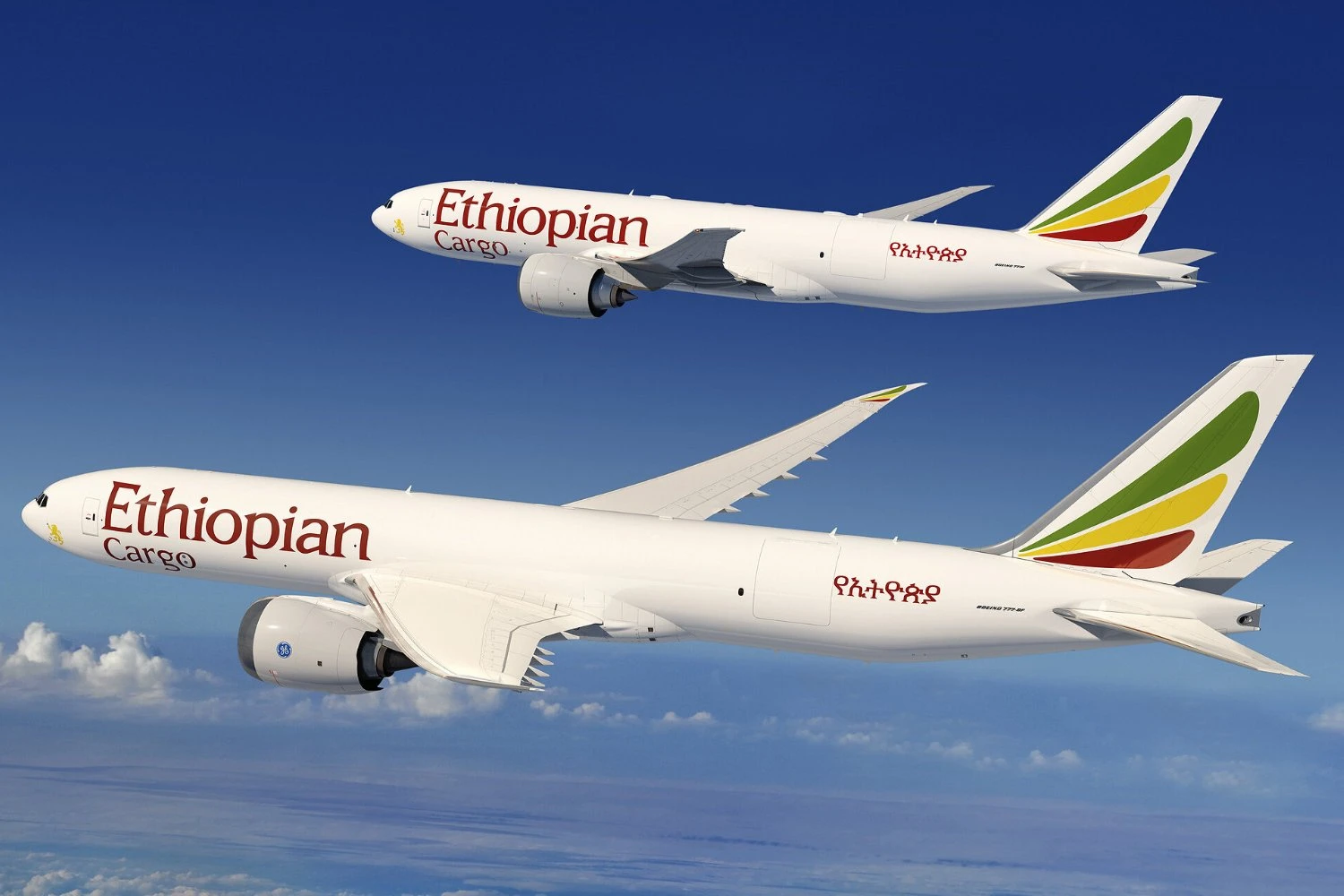
The backlog includes seven aircraft for FedEx, four for Saudia and three for Emirates. China Airlines, China Southern Cargo, Silk Way West Airlines and Ethiopian Airlines have two each, while other aircraft are assigned to unidentified customers.
Six orders remain attributed to Russia-linked Volga-Dnepr and are unlikely to be delivered under current restrictions. Cirium therefore estimates an effective backlog of about 31 aircraft, which could be completed by the end of 2027.
FAA extends life of 777F
The remaining backlog is not necessarily the end of the current 777F program.
In September, the Federal Aviation Administration (FAA) granted Boeing an exemption that allows up to 35 additional 777Fs to receive their first airworthiness certificates between January 1, 2028 and the end of 2030.
Without the exemption, new emissions requirements taking effect in 2028 would have prevented newly built 777Fs from receiving their first U.S. airworthiness certificates because the GE90-powered aircraft does not comply with the new fuel-efficiency and carbon dioxide limits.
Boeing requested the exemption because delays to the 777-8F risked creating a gap between the end of current 777F production and the availability of its replacement. The company estimates that losing those potential aircraft could eliminate more than US$15 billion in U.S. exports.

The FAA authorized a maximum of 35 aircraft, but that number does not represent existing orders. Cirium estimates that market conditions could support another 15 to 16 777Fs during the extended production period, depending on pricing, available slots and demand.
The market for large factory-built freighters remains tight. Cirium estimates the value of a new 777F at almost US$179 million and reports that no aircraft of the type are currently in storage.
Transition to the 777-8F
The production extension is intended to bridge the period before the 777-8F becomes available. Boeing currently expects the new freighter approximately two years after the first 777-9 delivery, which is targeted for 2027. That places the 777-8F around 2029.
Orders for the next-generation freighter have continued to grow. Ethiopian’s September agreement combined two current 777Fs with eight 777-8Fs, while MSC Air Cargo ordered five 777-8Fs in July.
The 777F remains Boeing’s only large widebody freighter currently in production. It can carry a structural payload of 107 tonnes over 5,000 nautical miles (9,260 km), with 27 pallet positions on its main deck.
The reported production stoppage therefore affects an aircraft that is still being delivered at a rate of more than two per month in 2026, has more than 30 viable outstanding orders and now has regulatory room for additional production before the 777-8F takes its place.
