


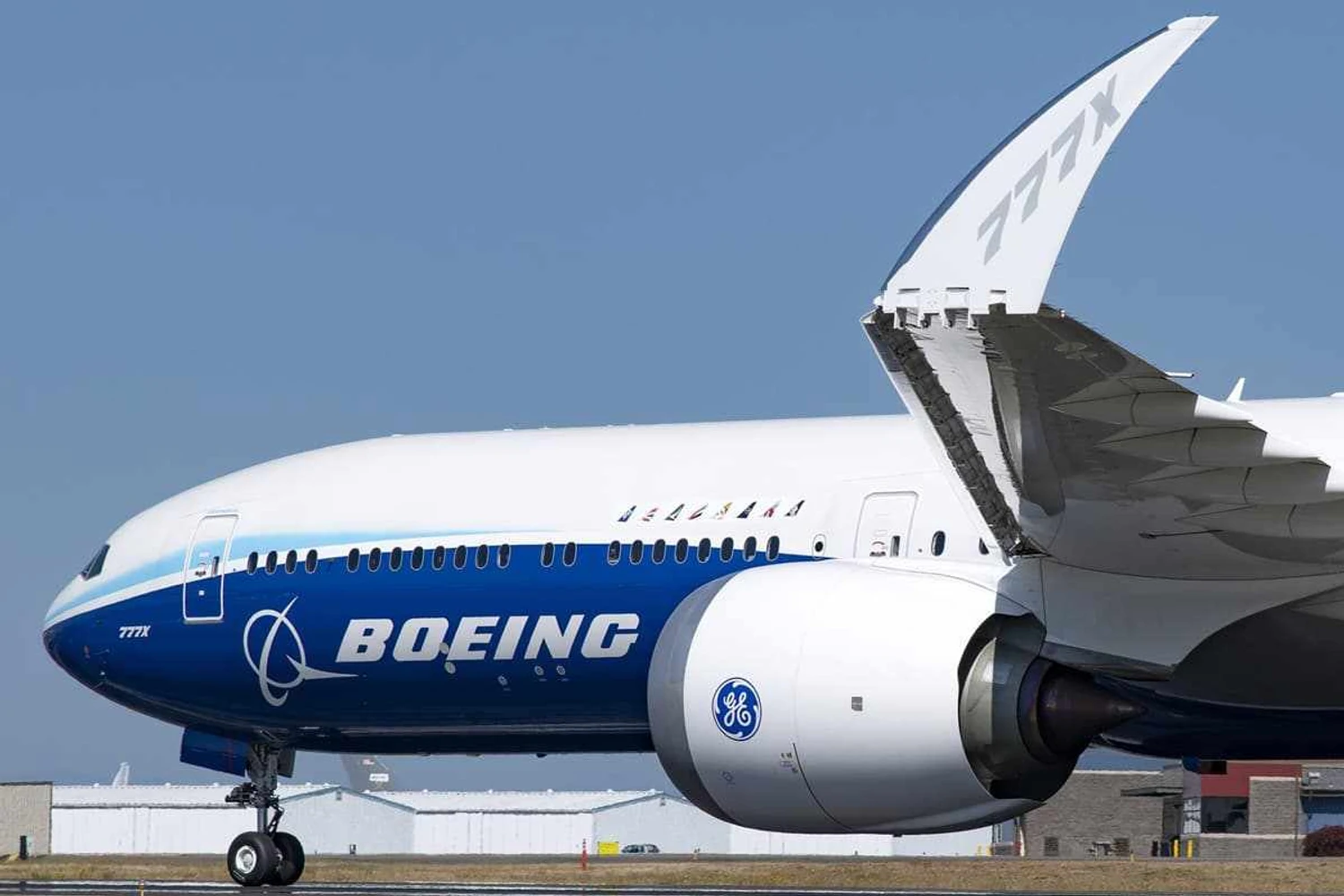
Boeing could see part of the 777-9 flight-test campaign extend into 2027 as additional work on the GE Aerospace GE9X engine delays the start of ETOPS certification testing.
CEO Kelly Ortberg provided the update on Wednesday during the Morgan Stanley Laguna Conference, where he said GE Aerospace has required more testing than initially expected to certify a solution for a durability issue involving a mid-seal in the GE9X.
The engine work is preventing Boeing from beginning the ETOPS portion of the 777-9 certification campaign. Ortberg said the manufacturer has not yet received authorization from the Federal Aviation Administration to start those tests because GE must first complete the certification plan for the engine fix.
GE remains confident in its solution, according to Ortberg, but the additional work has reduced the time available to complete the remaining certification activities this year. “We may see some of the testing spill into next year,” Ortberg said.
Follow Air Data News: WhatsApp | Instagram | LinkedIn | Twitter | Facebook
Boeing nevertheless continues to target the first 777-9 delivery in 2027. The company has not announced another delay to the entry into service of the aircraft, which is already several years behind its original schedule.
777-9 ETOPS campaign has yet to begin
The GE9X issue adds another constraint to a certification program that has been underway for years. Boeing began 777-9 flight testing in January 2020, but the process was subsequently extended as the FAA increased scrutiny of the program and the manufacturer encountered technical issues.
The FAA has progressively granted Type Inspection Authorizations allowing Boeing test aircraft to conduct certification work. The ETOPS campaign, however, remains outstanding.
ETOPS approval is required for the twin-engine 777-9 to operate long sectors at extended distances from suitable diversion airports, a capability fundamental to the intercontinental routes for which airlines have ordered the aircraft.
Ortberg said GE Aerospace has been working through additional testing associated with the GE9X mid-seal issue. The problem concerns durability rather than the basic architecture of the engine, but its resolution must be incorporated into the certification process before Boeing can proceed with the related ETOPS work.
The timing has already led Boeing to modify parts of its planning. Chief Financial Officer Jay Malave said during the same conference that the company had made “a few adjustments already to deliveries and production schedules.”
Ortberg also acknowledged that Boeing may have to reshuffle some deliveries, although he said the changes remain within the financial assumptions already established for the program.
Early-build aircraft remain under discussion
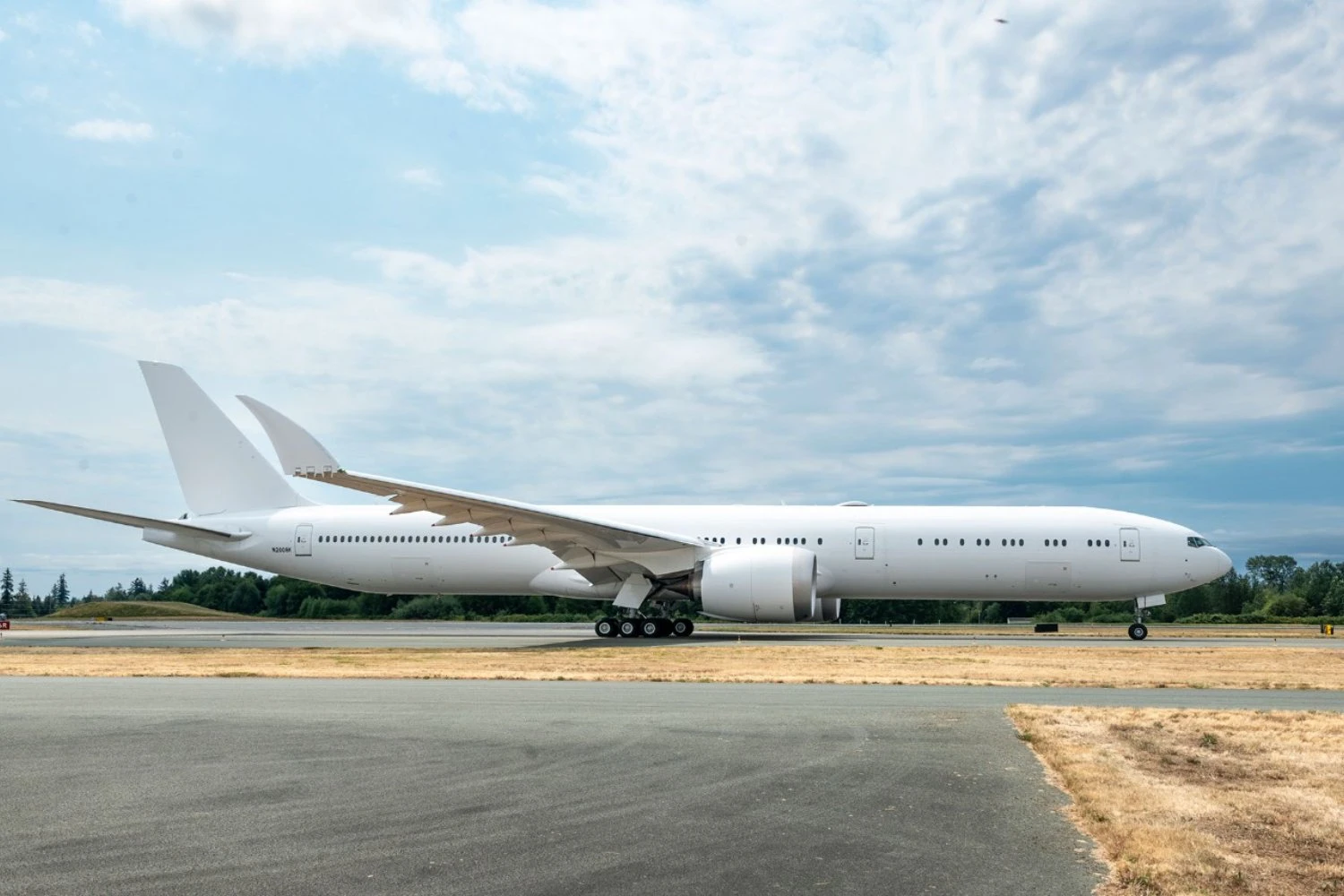
Another issue involves the 777-9s assembled years before certification is completed. Boeing has roughly 30 aircraft already built that require modifications before they can be delivered to customers.
During the conference, Ortberg was asked about concerns that some of those early aircraft could be technologically outdated by the time they enter service, as well as the possibility of cancellations or discounts.
He described the matter as part of contractual discussions with customers and said Boeing has accounted for the situation in its financial estimates. Ortberg declined to discuss individual allocations, saying he did not want to negotiate publicly over “who is getting what airplane.”
The comments suggest Boeing is still working with customers on how the early-build aircraft will be allocated, although Ortberg did not confirm that any of them have been canceled.

Emirates President Tim Clark has been particularly critical of the condition of some early 777-9s. The airline is the largest customer for the 777X family, and Clark has previously questioned the amount of rework that would be required to bring aircraft built years ago to the final certified standard.
Boeing’s current schedule calls for the 777-9 to enter service in 2027, followed later by other members of the family. The smaller 777-8 and the 777-8F freighter have separate development and certification schedules.
A potential strike by Boeing engineers and technical workers could create an additional risk. Ortberg said a work stoppage by members of the Society of Professional Engineering Employees in Aerospace would essentially halt the 777X certification program. Boeing and SPEEA, however, reached a tentative four-year contract agreement on September 11 that is recommended by the union’s negotiating teams and remains subject to ratification.
