


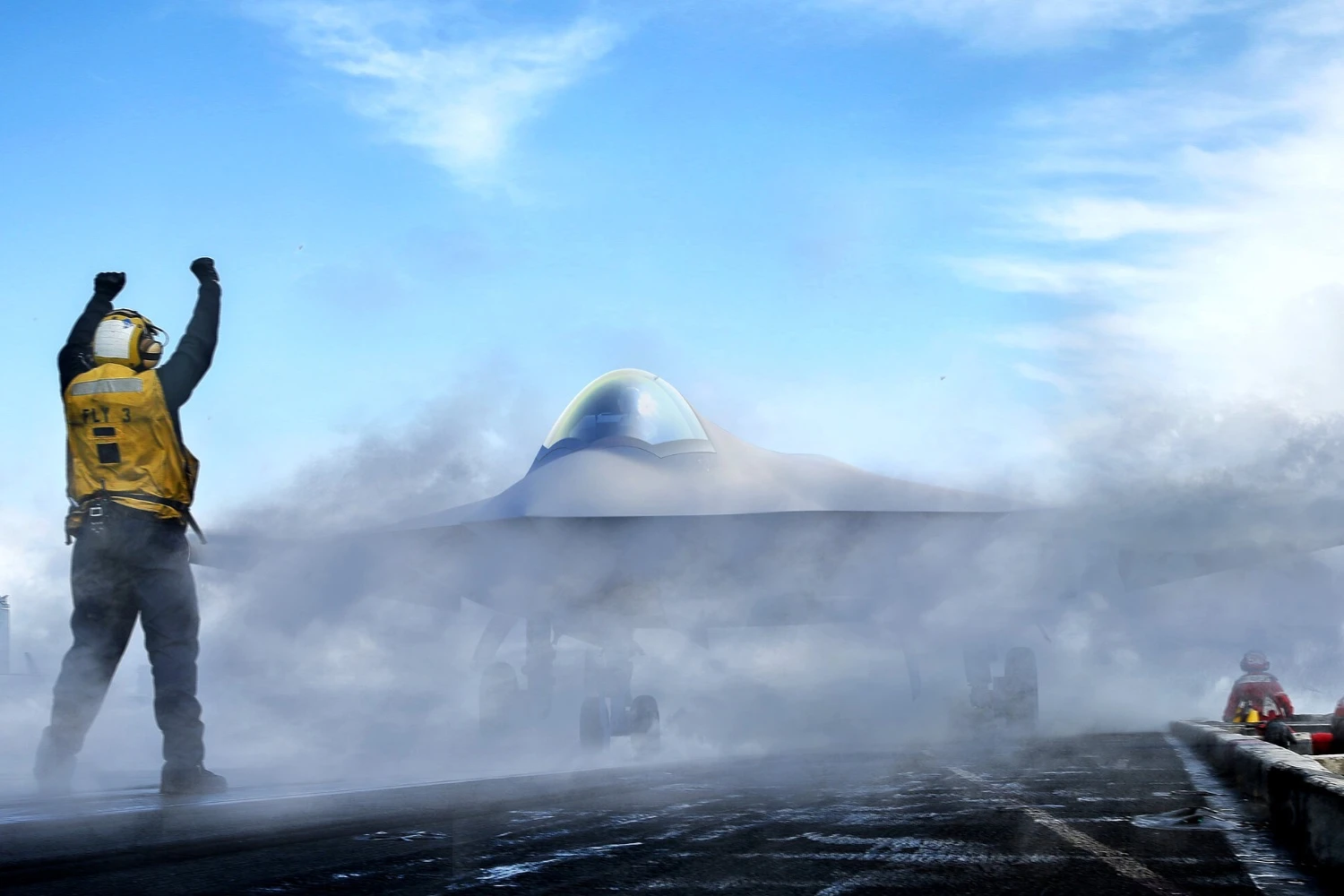
Boeing has been selected to develop the U.S. Navy’s F/A-XX sixth-generation fighter jet, defeating Northrop Grumman in one of the largest military aircraft competitions currently underway in the United States.
The Engineering and Manufacturing Development contract is worth about US$20 billion and covers multiple test aircraft for ground, airworthiness, systems and weapons integration testing.
The decision gives Boeing control of both new U.S. crewed sixth-generation fighter programs. In March 2025, the company defeated Lockheed Martin for the U.S. Air Force’s Next Generation Air Dominance competition, which produced the F-47 fighter jet.
Northrop Grumman was the only other company still competing for F/A-XX. Lockheed Martin had previously been eliminated from the Navy competition.
Follow Air Data News: WhatsApp | Instagram | LinkedIn | Twitter | Facebook
The new carrier-based aircraft is intended to replace the Boeing F/A-18E/F Super Hornet and become the central crewed fighter of the Navy’s future carrier air wing. It will operate alongside the F-35C and uncrewed aircraft, including Collaborative Combat Aircraft.
Most technical details remain classified. The Navy and Boeing have disclosed that the aircraft will use an open mission systems architecture and advanced mission systems, with greater operational reach than the aircraft it will replace.
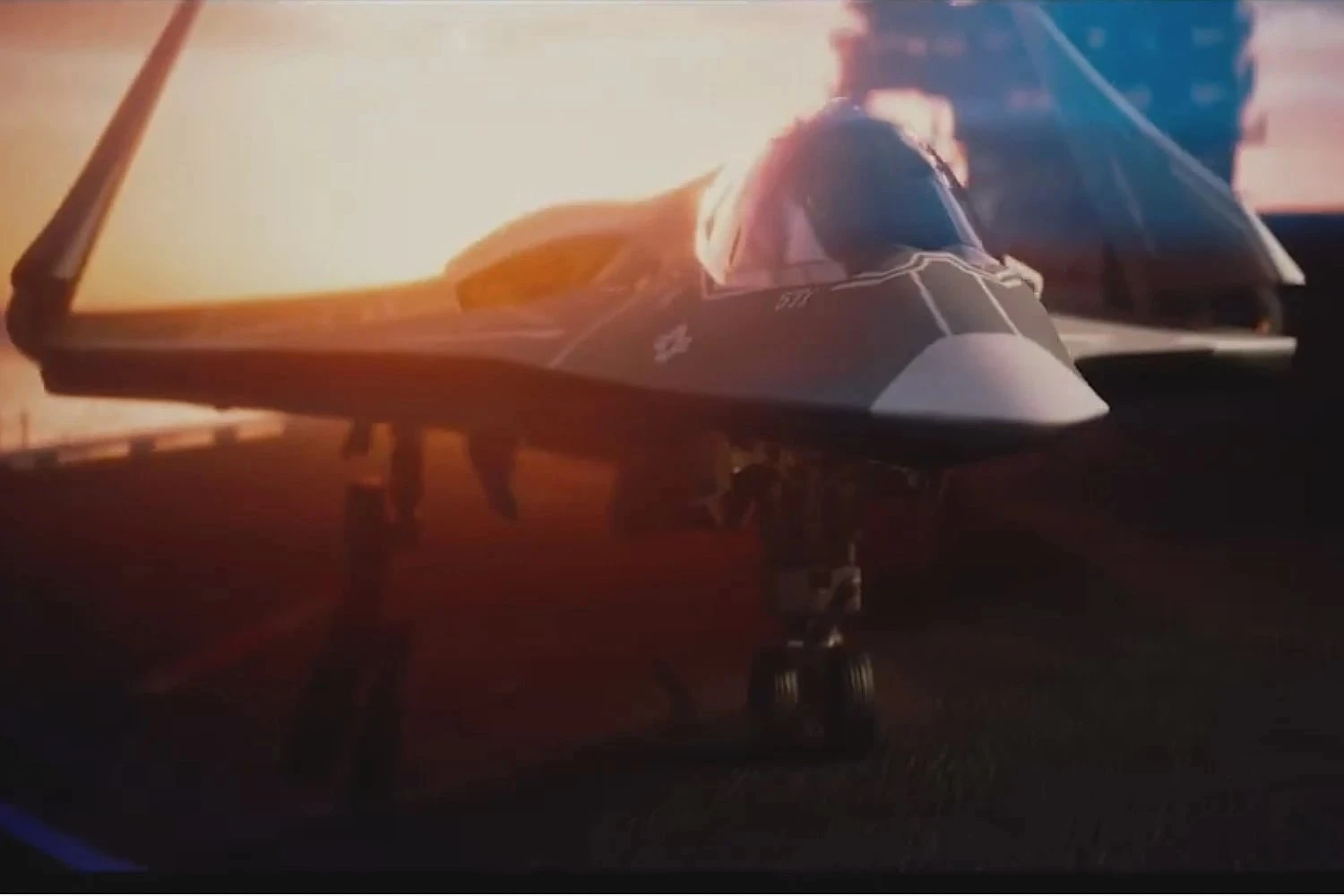
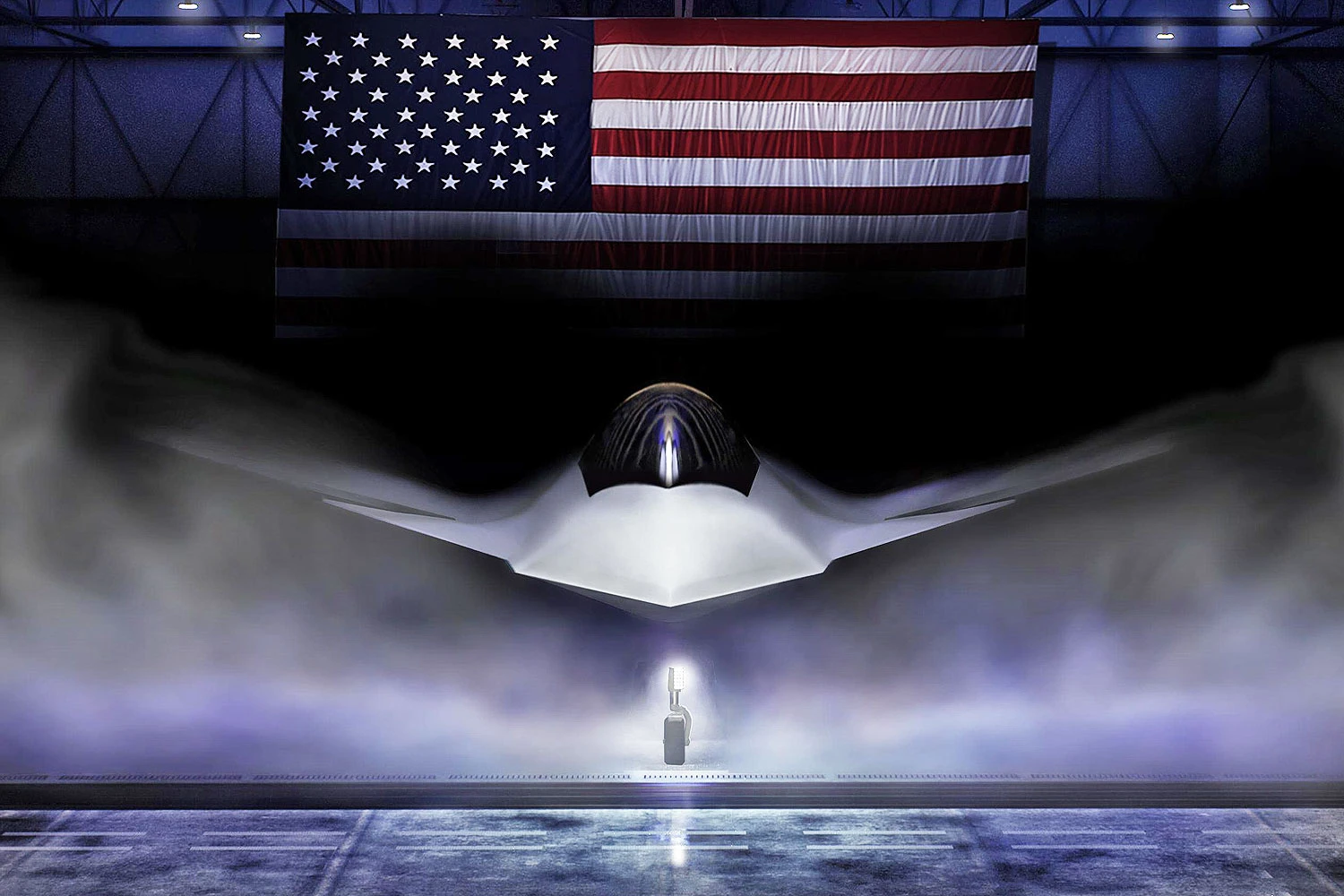
The Navy also released the first official rendering associated with Boeing’s winning aircraft on Tuesday. The image shows a tailless aircraft with a broad, highly swept wing, although the service has not disclosed how closely the illustration corresponds to the final configuration.
US$20 billion development program
The contract covers the full-scale development phase rather than series production. According to the Pentagon, Boeing will produce several test aircraft for the development campaign before the F/A-XX can proceed toward operational service.
The program had faced considerable uncertainty during the past two years. Pentagon officials raised concerns that the U.S. aerospace industry could struggle to develop the Air Force’s F-47 and the Navy fighter at the same time.
Those concerns became particularly relevant after Boeing won the F-47 competition. The company, however, repeatedly said it had planned from the outset for the possibility of developing both aircraft simultaneously.
“Delivering two advanced fighters in parallel was always our plan, and we invested accordingly,” Boeing Defense, Space & Security CEO Steve Parker said after the Navy decision.
Boeing is building a new secure manufacturing complex in St. Louis to support its next-generation combat aircraft programs.
Congress kept F/A-XX alive
F/A-XX also became the subject of a dispute between the Pentagon and Congress over how quickly the Navy should proceed with the fighter.
The Defense Department had considered slowing the program because of engineering, supply-chain and industrial-capacity concerns. Congress instead provided additional funding to prevent a major delay.
A fiscal 2026 mandatory funding package allocated US$750 million specifically to accelerate F/A-XX, including critical design work, risk reduction and technology maturation ahead of the program’s milestone decision.
The Pentagon later elevated F/A-XX to a major acquisition priority under direct oversight of the under secretary of defense for acquisition and sustainment.
The Navy expects the new fighter to enter service during the 2030s. Boeing is also completing the final F/A-18E/F Super Hornets for the service, bringing production of the aircraft that F/A-XX will eventually replace toward its end after more than three decades.
